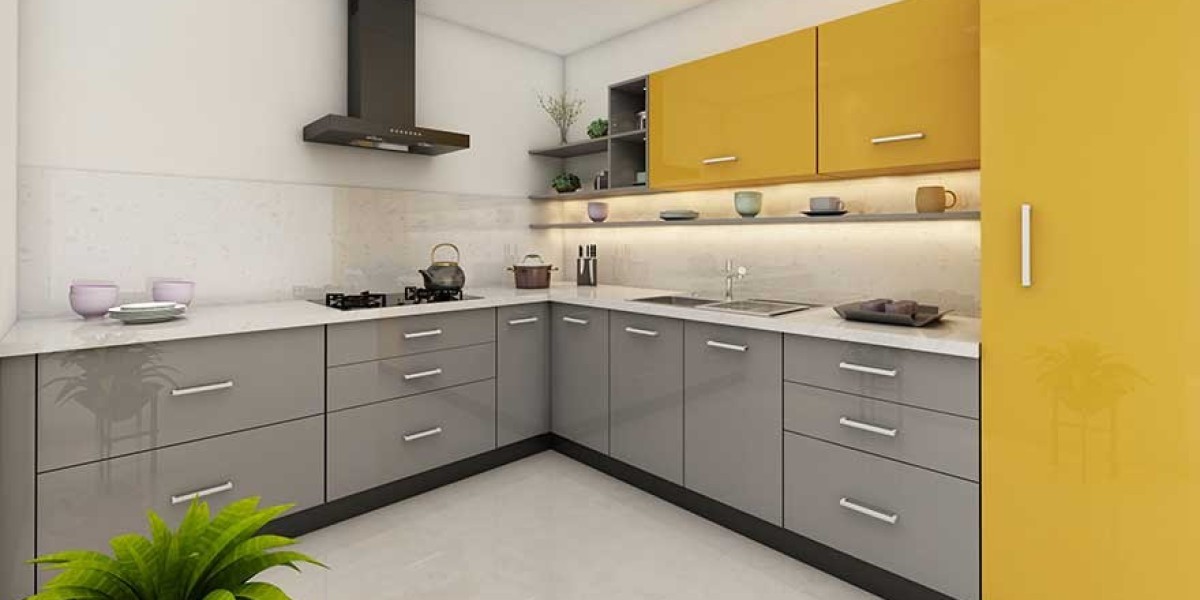


With the rising need for smart storage solutions and stylish designs, modular kitchens have become a popular choice for modern households. Creating an efficient modular kitchen involves thoughtful planning, practical design, and the intelligent use of space to ensure that cooking, cleaning, and storage become seamless and enjoyable.
Understanding the Concept of a Modular Kitchen
A modular kitchen is designed using pre-made modules or units that can be easily assembled and customized according to individual needs. These modules include cabinets, drawers, shelves, and countertops that fit together in a systematic manner. Unlike traditional kitchens, a modular kitchen allows homeowners to plan their space efficiently and make the most of every corner. The flexibility of modular units means that the kitchen can be tailored to fit various layouts, whether it is a small apartment or a spacious home.
Planning the Layout Carefully
One of the most crucial aspects of an efficient modular kitchen is its layout. Proper planning ensures that the kitchen remains functional and easy to navigate. Common layouts include L-shaped, U-shaped, and parallel kitchens. Each layout offers distinct advantages, depending on the available space and cooking requirements. The key is to maintain a smooth workflow between the cooking area, sink, and refrigerator, often referred to as the kitchen work triangle. This approach minimizes movement and increases productivity while preparing meals.
Selecting the Right Storage Solutions
Storage is a vital component of a modular kitchen. Efficient storage solutions keep the kitchen clutter-free and make everyday tasks easier. Modular kitchen units often come with a variety of storage options, including pull-out drawers, corner carousels, and deep cabinets. Utilizing vertical space by installing overhead cabinets can provide additional storage without consuming floor space. Moreover, organizing items based on their frequency of use ensures that essential utensils and ingredients are always within reach, reducing time spent searching for items.
Choosing Durable and Functional Materials
The choice of materials significantly impacts the durability and maintenance of a modular kitchen. High-quality materials not only enhance the kitchen’s appearance but also ensure longevity and ease of cleaning. Countertops made of granite, quartz, or engineered stone are highly preferred for their durability and resistance to stains. Cabinets and drawers made of plywood or high-grade MDF with laminates offer sturdiness and a polished finish. Additionally, using water-resistant materials for areas near sinks helps prevent damage and keeps the kitchen looking new for longer.
Incorporating Smart Appliances
Modern modular kitchens are incomplete without smart appliances that complement the design and improve functionality. Appliances such as built-in ovens, dishwashers, induction cooktops, and chimneys can be seamlessly integrated into the modular setup. These appliances not only save space but also contribute to a streamlined and contemporary look. Incorporating energy-efficient appliances is also beneficial for reducing utility bills and promoting an eco-friendly lifestyle.
Maximizing Counter Space and Work Areas
A well-planned modular kitchen ensures ample counter space for meal preparation and other activities. Efficient use of counters makes cooking more comfortable and provides space for small appliances such as mixers and coffee machines. Installing pull-out countertops or extending sections of the main counter can create additional work areas without compromising the design. The goal is to have sufficient surface area to accommodate multiple tasks while maintaining a clean and organized environment.
Enhancing Lighting and Ventilation
Lighting and ventilation play a crucial role in making a modular kitchen both functional and inviting. Proper lighting improves visibility during cooking and adds warmth to the space. Under-cabinet lighting, ceiling-mounted fixtures, and task lighting over workstations are excellent choices for modular kitchens. Ventilation is equally important to ensure that smoke, odors, and excess heat are effectively removed. Installing chimneys, exhaust fans, and windows can help maintain a fresh and comfortable cooking environment.
Personalizing the Kitchen Design
While functionality is essential, a modular kitchen should also reflect personal style and taste. Choosing the right color schemes, finishes, and accessories can make the kitchen a welcoming and enjoyable space. Neutral tones often create a spacious and elegant look, while bold colors can add vibrancy and personality. Modular kitchens also allow for customization in terms of handle designs, cabinet doors, and countertop textures, making it possible to create a kitchen that is both practical and visually appealing.
Maintaining Cleanliness and Organization
Maintaining a clean and organized modular kitchen is critical for efficiency. Regular cleaning of countertops, cabinets, and appliances prevents the accumulation of dirt and grease. Additionally, organizing kitchen tools and ingredients in a systematic manner reduces clutter and ensures that everything has its designated place. Using storage bins, dividers, and labels can further enhance organization and make the kitchen more user-friendly. A well-maintained modular kitchen not only improves functionality but also extends the life of the furniture and appliances.
Adapting to Changing Needs
One of the significant advantages of a modular kitchen is its adaptability. As family needs change, modular units can be rearranged or upgraded to accommodate new requirements. Whether it is adding more storage, incorporating new appliances, or redesigning the layout, a modular kitchen provides the flexibility to evolve with time. This adaptability ensures that the kitchen remains efficient, functional, and stylish for years to come.
Conclusion
Creating an efficient modular kitchen requires careful planning, practical storage solutions, smart appliance integration, and a focus on durability and style. By understanding the concept of modular kitchens and implementing thoughtful design strategies, homeowners can transform their kitchens into highly functional and aesthetically pleasing spaces. From layout planning to material selection and organization, each decision contributes to a kitchen that is not only efficient but also enjoyable to use. Investing time and effort in designing a modular kitchen ensures a seamless cooking experience and adds lasting value to the home. With the right approach, a modular kitchen can become the heart of the house, combining convenience, elegance, and efficiency in one cohesive space.










