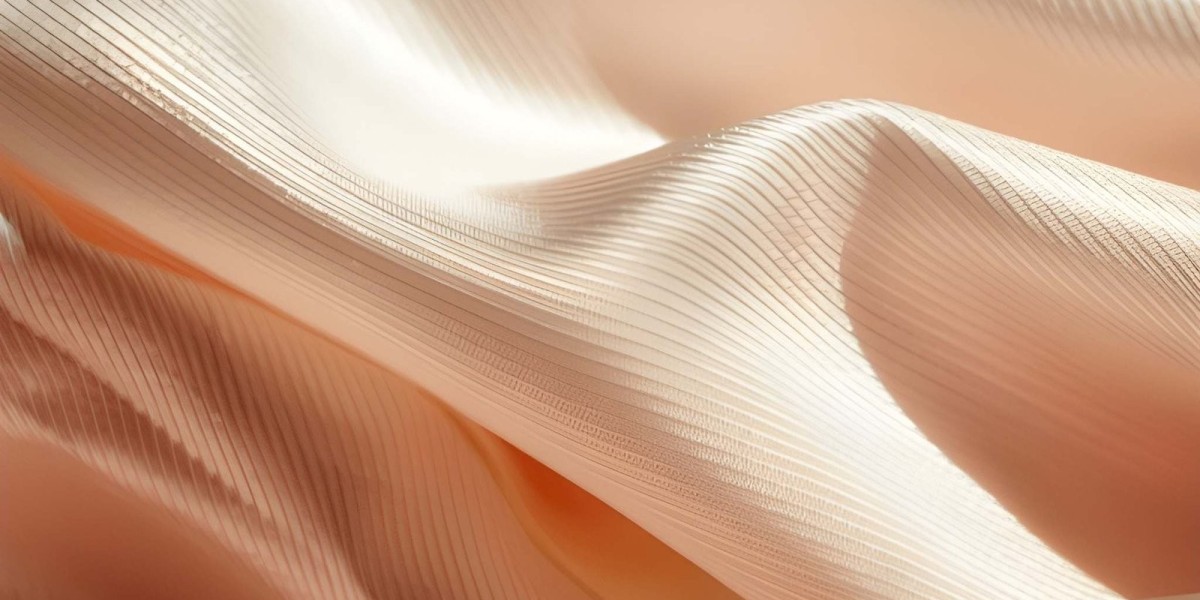


Choosing the right textile can influence both the appearance and comfort of a finished garment. Some materials offer structure, while others are valued for their soft touch and flowing movement. Rayon fabric stands out for its ability to provide a smooth feel and elegant drape, making it a popular option for fashion and textile applications.
Its versatility allows manufacturers and designers to use it for garments that need a relaxed fall and refined appearance. From dresses and blouses to scarves and decorative textiles, this material can support a variety of creative concepts.
Why Does Its Soft Texture Appeal to Apparel Designers?
One of the first qualities people notice about rayon is its soft hand feel. Its smooth surface can provide a comfortable sensation against the skin, which is particularly useful for garments intended for regular or extended wear.
Unlike some heavier textiles that maintain a firm shape, rayon tends to feel more fluid. This characteristic can help designers create clothing that moves naturally with the body.
The soft texture can be particularly suitable for:
Lightweight dresses designed with a relaxed and graceful silhouette.
Blouses that require a smooth surface and comfortable feel against the skin.
Scarves that benefit from a soft touch and fluid movement.
Casual tops where comfort and visual appeal need to work together.
Lining applications where a smooth textile surface can improve wearability.
This combination of softness and flexibility gives designers greater freedom when creating garments focused on comfort and style.
How Does Fluid Draping Improve the Look of Garments?
Drape refers to the way a textile falls, folds, and moves when used in a garment. A fabric with good draping qualities can create soft folds and flowing silhouettes rather than appearing stiff or rigid.
This makes rayon particularly interesting for designs that depend on movement. A flowing dress, for instance, can benefit from a material that follows the body's movement instead of holding a sharp, structured shape.
Creating Flowing Silhouettes
Rayon can be used for garments where a relaxed fall is central to the design. Its fluid nature can help create a graceful appearance in dresses, skirts, tunics, and similar clothing.
Supporting Layered Designs
Its soft drape can also work well in layered outfits. Lightweight garments can sit comfortably over other pieces without creating excessive bulk.
Adding Movement to Fashion Pieces
When a garment moves, the textile's drape becomes part of its visual character. Flowing materials can create subtle movement that adds interest to simple silhouettes.
The final drape will depend on factors such as the textile's weight, weave, construction, and finishing process. Therefore, manufacturers should select the appropriate specification for each application.
What Makes Rayon Suitable for Different Clothing Styles?
Versatility is another reason this textile continues to attract attention in the apparel sector. Its soft feel and flowing appearance can complement both casual and more refined clothing designs.
The material can be adapted to a variety of fashion categories, including:
| Clothing Type | Potential Advantage |
|---|---|
| Dresses | Creates flowing shapes and graceful movement |
| Blouses | Provides a soft feel with an elegant appearance |
| Skirts | Supports fluid silhouettes and relaxed movement |
| Tunics | Works well with loose, comfortable designs |
| Scarves | Offers softness and a lightweight flowing quality |
| Tops | Suitable for casual and fashion-oriented styles |
| Loungewear | Can provide a comfortable and smooth wearing experience |
This broad application range makes the material useful for businesses developing different types of apparel collections.
Which Qualities Make It a Practical Textile Choice?
Beyond softness and draping, several other properties can influence its suitability for fashion and textile production. The exact performance depends on the specific type, construction, and finishing method.
Understanding the benefits of rayon fabric during the selection process can help businesses assess whether it aligns with their product requirements.
Breathability
Many rayon textiles offer a relatively breathable feel, which can make them suitable for garments designed for warmer conditions. The actual level of breathability depends on the construction and blend.
Moisture Management
Certain rayon varieties can absorb moisture effectively, contributing to a comfortable wearing experience. This quality may be useful in selected apparel applications.
Colour Absorption
Rayon is known for its ability to take on colour effectively. This can support vibrant shades and attractive prints, giving designers more creative options.
Smooth Appearance
Its smooth surface can contribute to a polished look, making it suitable for garments where visual refinement is important.
Lightweight Options
Depending on the construction, lightweight versions can work well for summer clothing, flowing garments, scarves, and other applications requiring a less bulky textile.
These characteristics make rayon a flexible option for businesses seeking a balance between appearance and wearability.
How Can Colour and Texture Enhance Its Visual Appeal?
A garment's visual impact depends on more than its shape. Colour, surface texture, and movement all contribute to how a finished product is perceived.
Rayon can be particularly appealing for designers who want to create visually expressive clothing. Its ability to accept dyes can support a broad colour palette, while its smooth surface can help shades appear vibrant.
Designers can use this versatility to create:
Bold colours for statement fashion collections.
Soft pastel shades for lightweight seasonal garments.
Printed patterns for dresses, blouses, and scarves.
Rich tones for evening and occasion wear.
Subtle colours for minimalist and everyday clothing.
The combination of colour and drape can make even a relatively simple garment appear more dynamic. When the textile moves, the changing folds can also influence the way light interacts with its surface.
What Should Businesses Consider Before Choosing Rayon?
Although rayon offers several attractive qualities, businesses should select it according to the intended application. No single textile is suitable for every product, so careful evaluation is important before large-scale sourcing.
Assess the Intended Use
Consider whether the final product is a dress, blouse, scarf, home textile, or another item. Each application may require different weight, construction, and performance characteristics.
Check Care Requirements
Some rayon textiles may require more careful handling than highly durable materials. Businesses should consider washing, drying, ironing, and maintenance requirements when planning a product.
Evaluate Weight and Construction
The weight of the textile can affect its drape, opacity, comfort, and overall appearance. Lightweight and heavier options can perform differently in finished garments.
Consider Blended Options
Blending rayon with other fibres can alter characteristics such as strength, stretch, durability, and ease of care. The right blend depends on the intended performance of the final product.
Review Supplier Consistency
For commercial apparel production, consistency is essential. Businesses should consider specifications, availability, colour consistency, quality control, and supply reliability when selecting a textile supplier.
For businesses seeking fabric sourcing solutions across different textile categories, Avon Commercial offers a diverse range of materials for various commercial and manufacturing needs.
Can Rayon Support Applications Beyond Fashion?
The versatility of rayon is not limited to clothing. Depending on its construction and intended use, it can also be considered for various textile applications outside traditional apparel.
Home Textiles
Certain rayon-based materials may be used in decorative applications where softness and visual appeal are important. Curtains, cushions, and other interior products may benefit from attractive draping and colour options.
Accessories
Scarves and other fashion accessories can take advantage of the material's smooth feel and flowing appearance.
Decorative Products
The combination of colour, texture, and movement can make rayon suitable for selected decorative textile applications.
Blended Textile Products
When combined with other fibres, rayon can contribute softness and drape while the additional fibre may provide other performance qualities.
This range of possible applications gives textile businesses opportunities to use the material across different product categories.
Why Does the Balance Between Softness and Drape Matter?
Softness and drape work together to influence the overall experience of a garment. A textile may feel comfortable but lack movement, while another may drape beautifully but feel less pleasant against the skin.
Rayon is often valued because it can bring these two qualities together. Its soft hand feel contributes to comfort, while its fluid nature supports flowing silhouettes.
For designers and manufacturers, this balance can be especially useful when creating garments that need to appear elegant without becoming overly structured. The result can be clothing that feels relaxed while maintaining a polished visual identity.
The best results, however, depend on selecting the appropriate construction and finish. Businesses should always evaluate the specific textile according to the final garment's design, expected use, and care requirements.
FAQs
Is rayon suitable for flowing dresses?
Yes, rayon can be a suitable option for flowing dresses because of its soft feel and fluid drape. The exact appearance depends on the textile's weight, construction, and finishing.
Does rayon feel comfortable against the skin?
Many rayon textiles have a smooth and soft hand feel, which can make them comfortable for clothing. The final comfort level also depends on the specific construction and fibre blend.
Is rayon suitable for summer clothing?
Certain lightweight rayon textiles can be suitable for warm-weather clothing due to their soft feel and potentially breathable nature. The garment's construction also affects overall comfort.
Can rayon be used for products other than clothing?
Yes. Depending on the specific type and construction, rayon may be used in accessories, home textiles, decorative products, and blended textile applications.
What should manufacturers check when sourcing rayon?
Manufacturers should consider weight, construction, fibre composition, colour consistency, intended application, care requirements, supplier reliability, and the desired level of drape and softness.
Conclusion
Rayon offers a compelling combination of softness, fluid movement, and visual appeal. Its smooth feel can contribute to comfortable garments, while its graceful drape allows designers to create flowing silhouettes with an elegant appearance. These qualities make it suitable for dresses, blouses, skirts, scarves, tops, and various other textile applications.
For businesses, selecting the right specification is essential. Weight, construction, fibre composition, finishing, and intended use can all influence the final result. With careful sourcing and appropriate product selection, rayon can help apparel and textile businesses create products that balance comfort, movement, colour, and style.








