

Cold water immersion has transitioned from an extreme athletic secret into a mainstream wellness staple. People everywhere are seeking out the invigorating rush of icy water to boost their mental resilience, speed up muscle recovery, and enhance their overall vitality. However, as more individuals incorporate this practice into their daily routines, one crucial question dominates the conversation: exactly how long to cold plunge?
Finding the sweet spot between reaping maximum health benefits and staying safe is essential. Staying in the water for too long can lead to dangerous drops in core body temperature, while stepping out too early might rob you of the physiological adaptations you are trying to achieve.
Whether you are setting up a simple ice bath at home, browsing high-end cold plunge tubs, or designing a recovery space with a heavy-duty commercial cold plunge, understanding the optimal duration and best practices will transform your cold therapy journey.
1. The Golden Rule: How Long to Cold Plunge for Maximum Benefit
When beginners first encounter icy water, their instinct is often to test their endurance by staying in as long as possible. This approach is not only unnecessary, but it can also be counterproductive and dangerous.
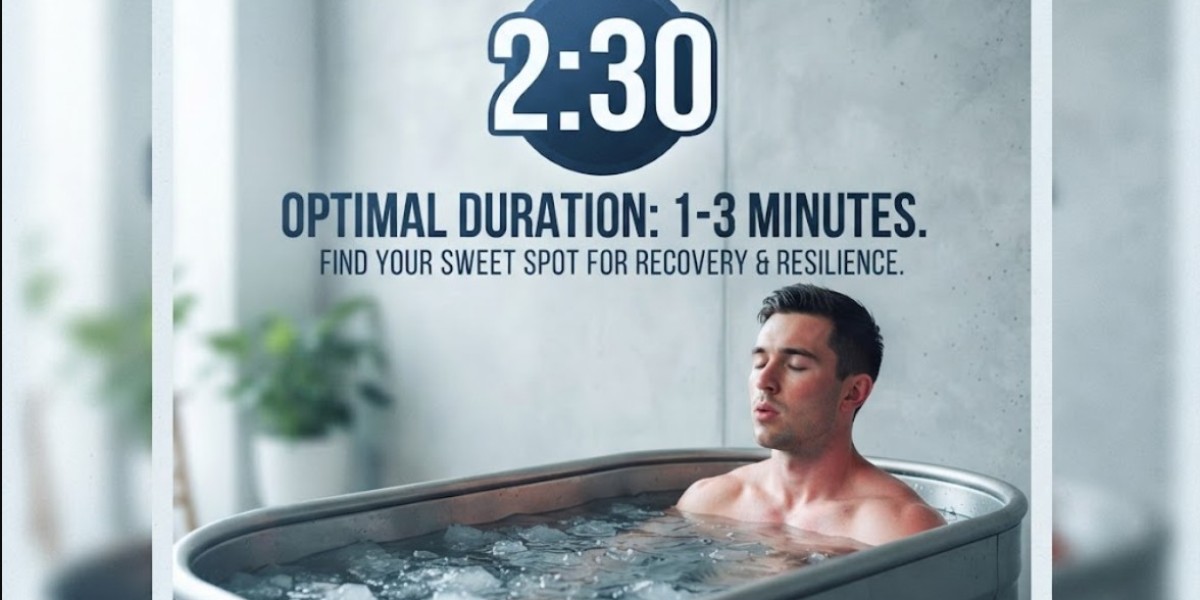
Research and expert consensus point to a very specific timeframe for cold water immersion. If you are wondering how long to cold plunge, the general rule of thumb is between 1 and 3 minutes per session.
Why Three Minutes is the Magic Number
For most people, the physiological benefits of cold water therapy peak within the first few minutes. Within the initial seconds, your body experiences a sharp cold shock response, causing your heart rate to spike and your blood vessels to constrict. As you cross the one-minute mark, your body begins to adapt, triggering the release of norepinephrine and dopamine, which improve mood and focus.
Studies suggest that the cumulative benefits for muscle recovery and metabolic health can be achieved with just 11 minutes of total cold exposure per week, split across two to four sessions. This means you do not need to spend hours shivering in sub-zero water to see results. Three minutes is more than enough to stimulate your nervous system, reduce systemic inflammation, and build incredible mental toughness.
Tailoring the Time to Your Experience Level
Absolute Beginners: Start with 30 to 60 seconds. Your primary goal in the first week is simply to control your breathing and calm your nervous system, not to set endurance records.
Intermediate Plungers: Once your body adjusts to the initial shock, you can comfortably push your sessions to 2 or 3 minutes. This is the sustainable sweet spot for daily or semi-weekly routines.
Advanced Practitioners: Experienced individuals rarely need to exceed 5 minutes in water temperatures ranging from 38°F to 50°F. Staying beyond 5 minutes significantly increases the risk of hypothermia without providing substantial additional health benefits.
2. Setting Up Your Space: From Home Cold Plunge Tubs to Commercial Units
Consistency is the secret to successful cold therapy. If your setup is inconvenient, messy, or requires hauling dozens of bags of store-bought ice every single day, you are far more likely to abandon the habit. Investing in the right equipment makes all the difference.
Home Cold Plunge Tubs
For individuals dedicated to a routine at home, modern cold plunge tubs offer a sleek, low-maintenance solution. Unlike traditional bathtubs filled with melting ice cubes, dedicated tubs come equipped with integrated chillers and advanced filtration systems.
These units maintain a precise, ice-free temperature 24 hours a day. This means you can wake up, walk outside, and step into pristine 42°F water instantly. When selecting a tub for residential use, look for features like energy-efficient chillers, ozone or UV sanitization, and durable insulation that can withstand outdoor weather conditions.
The Power of a Commercial Cold Plunge
For fitness facilities, wellness spas, physical therapy clinics, and high-performance training centers, a standard residential setup will not suffice. Heavy foot traffic requires a robust commercial cold plunge engineered for continuous daily use.
Commercial units are built with heavy-duty pumps, powerful refrigeration systems, and heavy-gauge stainless steel or acrylic shells. They are designed to cool large volumes of water rapidly, recovering their target temperature quickly even after multiple users enter back-to-back. Providing a reliable commercial cold plunge in a facility elevates the member experience, offering a premium recovery amenity that attracts fitness enthusiasts and health-conscious clients.
3. The Science and Benefits of Controlled Cold Exposure
Understanding the physiological mechanisms behind cold water immersion helps reinforce why timing matters so much. When you submerge your body in cold water, a cascade of hormonal and neurological reactions takes place.
Accelerated Muscle Recovery
Athletes have used ice baths for decades to combat delayed onset muscle soreness (DOMS). The cold temperature causes vasoconstriction, which temporarily reduces blood flow to the muscles and flushes out metabolic waste products like lactic acid. Once you exit the water, your blood vessels dilate, flooding your tissues with oxygen-rich blood to accelerate healing.
However, timing your plunge around your workouts is important. If your goal is hypertrophy (muscle building), wait several hours after weightlifting before you cold plunge, as immediate cold exposure can blunt the inflammation necessary for muscle growth.
Mental Resilience and Stress Control
Perhaps the most profound benefit of cold water immersion is psychological. Mastering how long to cold plunge is ultimately an exercise in mental discipline. When you submerge your body in freezing water, your primitive brain screams at you to get out. By forcing yourself to remain calm, regulate your breathing, and push past the discomfort, you train your prefrontal cortex to override panic. This resilience spills over into daily life, helping you handle high-stress situations with composure.
Enhanced Immune Function and Metabolic Health
Regular exposure to cold water stimulates the immune system by increasing white blood cell counts. Furthermore, cold water activates brown adipose tissue, also known as brown fat. Unlike white fat that stores calories, brown fat burns energy to generate heat, which can boost your metabolic rate and assist with metabolic health over time.
4. Common Mistakes to Avoid When Starting Out
While cold therapy is remarkably safe for healthy individuals, beginners frequently make avoidable mistakes that hinder their progress or compromise their safety.
Rushing the Duration
Many newcomers assume that staying in longer makes them tougher. This mindset often leads to hypothermia or excessive physical stress. Always prioritize quality over quantity. A disciplined 2-minute plunge done with controlled breathing is infinitely better than a miserable 7-minute struggle where you hyperventilate the entire time.
Ignoring Your Breath
The moment you enter cold water, your body enters a sympathetic fight-or-flight state, causing rapid breathing. If you do not consciously slow your breath down, you risk hyperventilating. Practice slow nasal inhales and extended exhales as soon as you submerge. This signals to your vagus nerve that you are safe, allowing your heart rate to normalize.
Warming Up Too Quickly Afterwards
After you step out of your cold plunge, avoid taking an immediate hot shower. Your body initiates a process called after-drop, where cold blood from your extremities continues to circulate inward for a few minutes after you exit the water. Letting your body warm up naturally through light movement or shivering allows your system to adapt more effectively.
Conclusion
Mastering how long to cold plunge is the key to unlocking the incredible physical and mental benefits of cold water therapy. By keeping your sessions between 1 and 3 minutes, maintaining proper breathing, and respecting your body's limits, you can build a sustainable and transformative wellness habit.