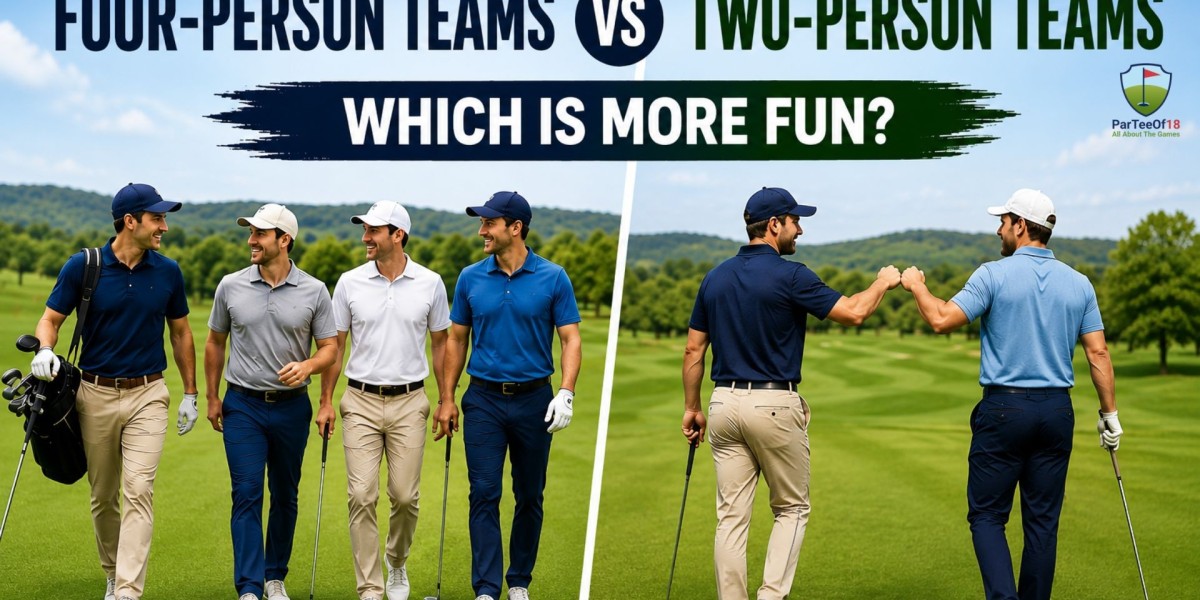


Ask ten golfers what makes a round fun, and you will get ten different answers. Some live for the trash talk that only happens in a packed foursome. Others swear the best golf happens with just one buddy and total silence between shots.
I have played both. A four-person scramble on a Saturday morning with three guys who could barely find the fairway. And a tense two-person better ball match where every putt felt like it mattered. Both were fun. But fun in completely different ways.
So which format actually wins? Let's break it down honestly, without the fluff.
What Makes a Golf Team Format "Fun" Anyway?
Fun is subjective on a golf course. For some, it is laughing at a shanked drive. For others, it is the thrill of sinking a clutch putt under pressure. Team size changes the flavor of that fun entirely, and that is worth understanding before you book your next tee time.
The Social Factor
More players usually means more jokes, more stories, and more distractions from a bad shot. A rough round with three friends laughing beside you rarely feels like a bad day. Golf becomes secondary to the company, and that is exactly the point for a lot of weekend players.
The Competitive Factor
Smaller teams tend to raise the stakes. With only one partner, every shot carries more weight. There is nowhere to hide a bad hole, which sharpens focus. For golfers who thrive under pressure, that intensity is the fun.
Four-Person Teams: The Case for Bigger Groups
Four-person formats, like scrambles or best ball, are the backbone of charity tournaments and weekend golf trips for a reason. They spread the pressure across more shoulders and turn golf into a genuinely social event rather than a solo grind.
Less Pressure, More Laughs
When four people share the load, one bad shot rarely sinks the team. Someone else usually bails you out. This safety net lets everyone relax, swing freely, and enjoy the round instead of stressing over every stroke, which is why scrambles are so popular with beginners.
Built-In Entertainment
Picture a foursome at a company golf outing. One guy hits a wild slice into the trees, another finds the fairway, and the group erupts in laughter before picking the best shot. That built-in chaos is entertainment you simply cannot replicate playing alone or with just one partner.
The Downside of Four-Person Teams
Bigger groups mean slower pace. Waiting for four people to hit, read putts, and chat between shots can stretch a round to five hours or more. If you are short on time or prefer quicker golf, this format can feel like it drags.
Two-Person Teams: The Case for Smaller Squads
Two-person golf, whether it is a scramble, alternate shot, or best ball, brings a different energy entirely. It is intimate, faster, and puts real weight on individual performance, which appeals to golfers who want their skills to actually matter.
Every Shot Counts
With only two players, there is nowhere to hide. Miss a fairway, and your partner has to save the hole. This raises the stakes on every swing, and for competitive golfers, that tension is exactly what makes the round memorable and rewarding.
Faster, Tighter Rounds
Two-person teams move quicker. Fewer players means fewer decisions, less waiting around, and a round that can wrap up in under four hours. For golfers squeezing in a game before work or family commitments, that speed genuinely matters.
The Downside of Two-Person Teams
Fewer people means fewer distractions from a rough patch. A bad front nine can feel heavier when there is only one other person sharing the frustration. It demands more mental toughness, which is not always what casual golfers are looking for on a Saturday.
Real-Life Scenarios: Which Format Wins Where?
Context changes everything in golf. A format that is perfect for a corporate outing might fall flat at a serious club championship. Here is how each size actually performs across common real-world situations golfers face regularly.
Corporate Golf Outings
Four-person scrambles dominate corporate events, and it is not close. They mix skill levels seamlessly, keep everyone involved, and prevent any single bad golfer from ruining the day. Executives and beginners can play together without the round grinding to a halt.
Weekend Golf Trips With Friends
For a golf buddies trip, four-person teams often win again. Trash talk, side bets, and shared misery over a triple bogey build memories that last longer than the scorecard. It is less about the golf and more about the company you keep.
Club Championships and Serious Competition
Two-person formats take over here. Alternate shot or best ball golf in a club championship rewards skill and strategy. There is nowhere to coast, and that pressure is precisely what serious competitors are chasing when they sign up.
Quick After-Work Rounds
If you and one friend are squeezing in nine holes after work, two-person golf is the clear winner. It is fast, focused, and does not require coordinating four busy schedules just to get a tee time booked.
Which Format Suits Your Personality?
Your natural temperament matters more than most golfers realize when choosing a format. Some players thrive in chaos and conversation. Others need quiet focus to play their best golf. Knowing which camp you fall into changes everything about your enjoyment.
You Might Prefer Four-Person Teams If
You golf mainly for the social experience.
You get frustrated easily and want backup shots.
You enjoy banter, side bets, and group energy.
You are newer to the game and want lower pressure.
You Might Prefer Two-Person Teams If
You are competitive and enjoy pressure situations.
You want a faster round with less downtime.
You trust your consistency and want your shots to count.
You prefer deeper conversation with one partner over group chatter.
The Verdict: So, Which Is More Fun?
Honestly, there is no universal winner here. Four-person teams generally deliver more laughs, less pressure, and a stronger social vibe, which is why they dominate casual and corporate golf. Two-person teams deliver sharper competition, faster rounds, and a sense that your golf actually matters.
If your idea of fun is chaos, company, and forgiving golf, go with four. If your idea of fun is pressure, precision, and a tighter bond with one partner, go with two. The best golfers I know actually rotate between both, depending on their mood and who they are playing with that day.
Conclusion
At the end of the day, golf is supposed to be fun, whatever that means to you personally. Four-person teams bring the party, the safety net, and the shared laughter that turns a mediocre round into a great memory. Two-person teams bring the edge, the accountability, and the satisfaction of earning every point on your own merit.
Try both formats with your regular group before picking a favorite. You might find, like a lot of golfers do, that the fun was never really about the format at all. It was about who you showed up with.
Frequently Asked Questions
1. Which golf format is better for beginners, four-person or two-person teams?
Four-person teams are generally better for beginners. Formats like scrambles let newer golfers hit alongside more experienced players, which reduces pressure and allows the group to use the best shot from each hole.
2. Are two-person golf teams faster to play than four-person teams?
Yes, two-person teams are typically faster. With fewer players making decisions and hitting shots, rounds move more quickly, often finishing in under four hours compared to four-person groups that can stretch past five.
3. What is the most fun golf format for a corporate outing?
Four-person scrambles are the most popular choice for corporate outings. They blend different skill levels smoothly, keep everyone engaged, and prevent one struggling golfer from slowing down or discouraging the whole group.
4. Do two-person teams require more skill than four-person teams?
Two-person teams do demand more consistency since there are fewer players to cover a bad shot. Formats like alternate shot or best ball put more individual pressure on each player compared to a four-person scramble.
5. Can four-person and two-person formats be mixed in the same tournament?
Yes, many tournaments offer both formats across different flights or days. Some golfers even prefer switching between the two depending on the event, their partner availability, or simply the kind of challenge they are in the mood for.