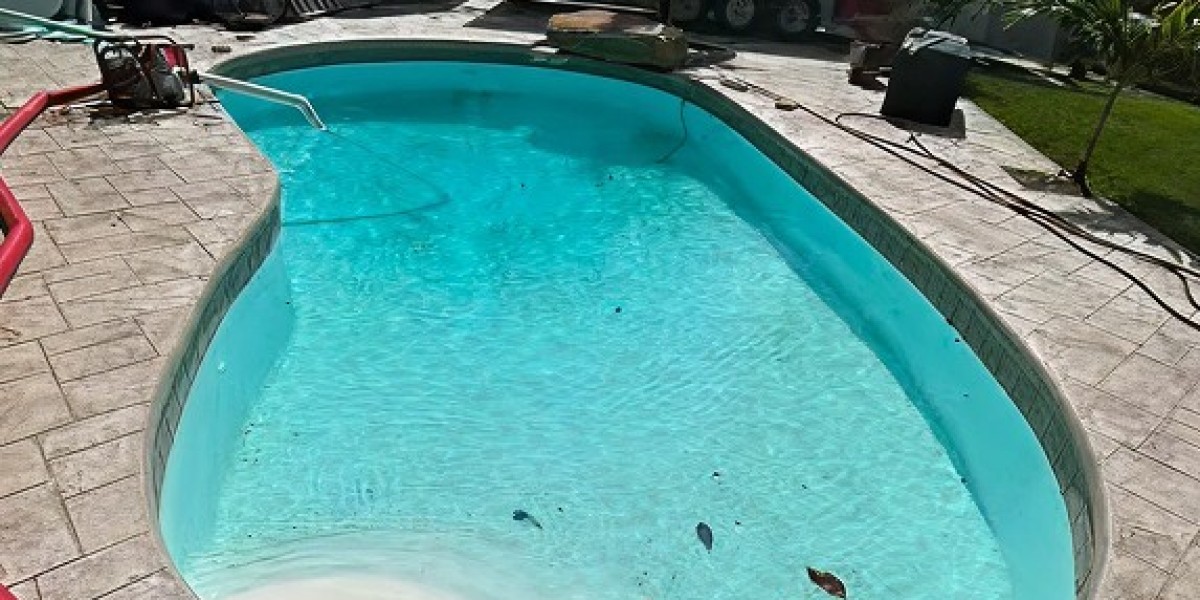


A fiberglass pool can provide years of relaxation, exercise, and family enjoyment. Its smooth finish, attractive appearance, and relatively simple maintenance make it a popular choice for homeowners. However, the surface of a fiberglass pool does not remain in perfect condition forever. Sun exposure, changing water chemistry, regular use, and aging can gradually weaken its protective finish.
Pool surface problems usually develop slowly. A small faded area may not seem important at first, but it can become rough, chalky, cracked, or difficult to clean. Recognizing these changes early can help you repair the surface before the damage reaches the fiberglass shell. It can also help you avoid more complicated and expensive restoration work.
Professional fiberglass pool resurfacing may be necessary when the gelcoat begins to fade, peel, blister, crack, or feel rough. Resurfacing removes damaged material, repairs weak areas, and applies a new protective coating. This process can improve the appearance of the pool while helping protect its structure from continued exposure to water, sunlight, and pool chemicals.
What Is Fiberglass Pool Resurfacing?
Fiberglass pools are manufactured with several layers. The fiberglass shell provides strength, while the outer gelcoat creates a smooth, waterproof, and visually appealing finish. This gelcoat acts as a protective barrier between the pool water and the fiberglass material underneath.
Over time, the outer coating can begin to break down. Improper chemical levels, strong UV exposure, normal wear, and delayed maintenance can all affect the condition of the surface. When the protective layer becomes too damaged, regular cleaning or polishing may no longer solve the problem.
Resurfacing involves preparing the existing pool surface and applying a new coating. Depending on the condition of the pool, the work may include grinding, sanding, crack repair, fiberglass reinforcement, bonding preparation, and the application of a professional-grade gelcoat or epoxy system.
How Often Should a Fiberglass Pool Be Resurfaced?
There is no single resurfacing schedule that applies to every fiberglass pool. The right time depends on the age of the pool, the quality of the original finish, local weather conditions, water chemistry, maintenance habits, and how frequently the pool is used.
A professionally resurfaced fiberglass pool may last approximately 10 to 15 years when it receives proper care. However, some pool surfaces may need attention sooner if they are regularly exposed to unbalanced water chemistry, intense sunlight, poor maintenance, or improper cleaning products.
Instead of depending only on the age of the pool, homeowners should regularly inspect the surface. Visible and physical changes often provide a more accurate indication of when resurfacing is required.
1. The Pool Surface Has Become Rough
A healthy fiberglass pool should have a smooth surface. When the floor or walls begin to feel rough, grainy, or irritating against the skin, the protective gelcoat may be wearing away.
A rough surface is more than a comfort issue. Small uneven areas can trap dirt, algae, oils, and minerals. This can make the pool more difficult to clean and may increase the amount of time and chemicals needed for regular maintenance.
Do not ignore rough areas simply because the pool still holds water. Ask a fiberglass pool specialist to inspect the surface and determine whether the problem is limited to the coating or has started affecting the material underneath.
2. The Color Looks Faded or Uneven
Some fading is expected as a pool ages, especially in areas exposed to direct sunlight. However, significant discoloration, dull patches, or uneven color may indicate that the gelcoat is deteriorating.
The fading may appear across the entire pool or only in specific areas, such as the steps, shallow end, waterline, or sections exposed to the strongest sunlight. While fading may initially seem cosmetic, it can also be an early warning that the protective finish is becoming thin or weak.
Resurfacing allows the old, damaged finish to be replaced with a fresh coating. It can restore a more consistent appearance and give homeowners an opportunity to update the pool color.
3. White Chalking Appears on the Surface
Chalking is a common sign of gelcoat breakdown. It may appear as a white, powdery residue on the pool walls, floor, cleaning equipment, or your hands after touching the surface.
The residue can sometimes be confused with calcium deposits or water chemistry problems. However, if cleaning and balancing the water do not solve the issue, the gelcoat itself may be deteriorating.
Chalking should be inspected early. Continued surface breakdown may lead to increased roughness, discoloration, and exposure of the underlying fiberglass.
4. The Gelcoat Is Peeling or Flaking
Peeling, bubbling, blistering, or flaking indicates that the coating is no longer properly bonded to the pool surface. This may happen because of age, poor preparation during a previous repair, moisture problems, chemical damage, or the use of an unsuitable coating.
Small peeling areas can quickly expand once water reaches underneath the coating. Simply painting over the affected section is usually not a lasting solution. The loose material must be removed, the surface must be properly prepared, and any underlying damage must be repaired before a new coating is applied.
Fiberglass pool coatings require specialized preparation and application. Improper bonding can result in premature peeling, blistering, and coating failure.
5. Cracks Have Started to Appear
Not every visible line represents serious structural damage. Some small cracks may affect only the gelcoat, while deeper cracks can extend into the fiberglass shell.
Spider cracks often appear as a network of thin lines across the surface. Larger cracks may develop near steps, corners, fittings, benches, or other areas under stress. Cracks should be inspected by a professional because their depth and cause are not always easy to identify visually.
Structural cracks may need to be reinforced with fiberglass materials before the pool is refinished. Resurfacing without repairing the damaged area first could allow the crack to return.
6. Stains Keep Returning After Cleaning
Fiberglass pools can develop stains from metals, leaves, minerals, algae, chemicals, and organic material. Many stains can be reduced through proper cleaning and water treatment. However, stains that remain after professional cleaning may have penetrated or damaged the gelcoat.
Persistent waterline stains can also indicate that the surface has become porous or worn. When the coating loses its smooth finish, contaminants can settle into the surface more easily.
Resurfacing may be the best option when staining covers a large area, keeps returning, or cannot be removed without damaging the existing coating.
7. Maintenance Is Becoming More Difficult
An aging pool surface can make routine maintenance harder. You may notice that algae returns quickly, brushing takes more effort, stains appear more often, or the water requires frequent chemical adjustments.
These problems do not always mean the pool needs resurfacing. Equipment issues, poor circulation, filtration problems, and incorrect chemical levels can cause similar symptoms. However, if the equipment and water balance are in good condition, the pool surface should be inspected.
A rough or damaged coating gives algae and debris more places to attach. Restoring a smooth finish can make the pool easier to brush, clean, and maintain.
What Happens During the Resurfacing Process?
The exact process depends on the condition and design of the pool. A professional project generally begins with an inspection of the surface, surrounding area, groundwater conditions, and visible damage.
The pool is then drained using appropriate procedures. Fiberglass pools must be drained carefully because groundwater pressure can create movement or structural problems. After drainage, the damaged gelcoat is ground or sanded away.
Cracks, blisters, and weak sections are repaired before the new coating is applied. Structural areas may require fiberglass reinforcement. The prepared surface is then coated with a gelcoat or epoxy system designed for fiberglass pools.
After application, the coating must cure under controlled conditions. Proper curing is important for adhesion, durability, and a consistent finish. Once the coating has cured, the pool can be refilled according to the contractor's instructions.
Many fiberglass pool resurfacing projects can be completed in approximately three to five days, although the actual timeline depends on the pool size, weather, damage level, repairs, and curing requirements.
Can You Delay Fiberglass Pool Resurfacing?
Delaying resurfacing may be possible when the problems are minor and limited to appearance. However, waiting too long can allow water to reach weak areas beneath the gelcoat.
A surface that initially requires cleaning, preparation, and a new coating may later need deeper crack repair or fiberglass reinforcement. Early inspection gives homeowners more options and can help prevent minor coating damage from becoming a structural concern.
You should schedule an inspection when you first notice peeling, chalking, roughness, cracks, or permanent staining. An inspection does not automatically mean the entire pool must be resurfaced. A qualified contractor can determine whether the pool needs a small repair, localized refinishing, or complete resurfacing.
How to Extend the Life of a Resurfaced Pool
Proper maintenance can help protect the new surface and extend its usable life. Test the pool water regularly and keep the pH, alkalinity, sanitizer, and calcium levels within the recommended range.
Avoid using harsh tools, metal brushes, or cleaning products that are not approved for fiberglass pools. Use a soft pool brush and follow the coating manufacturer's care instructions.
Maintain proper circulation and filtration so chemicals are distributed evenly throughout the pool. Address stains, leaks, and equipment problems early instead of allowing them to affect the new finish.
It is also important to follow the startup instructions provided by the resurfacing contractor. The first few days after refilling can influence how well the coating performs over time.
Choosing a Fiberglass Pool Resurfacing Contractor
Fiberglass resurfacing is different from concrete pool resurfacing. It requires suitable bonding products, fiberglass repair knowledge, correct surface preparation, and coatings specifically designed for fiberglass shells.
Before choosing a contractor, ask about licensing, insurance, fiberglass experience, coating options, surface preparation, repair methods, project timelines, and warranty conditions. The estimate should clearly explain the work included and identify any repairs that may affect the final cost.
Sims Pool Upgrades LLC provides fiberglass resurfacing services in St. Petersburg, Pinellas County, Sarasota, and surrounding Gulf Coast communities. Its process includes safe drainage, surface preparation, fiberglass repair, coating application, curing, and startup guidance.
Final Thoughts
Knowing when to resurface a fiberglass pool can help you protect its appearance, comfort, and long-term condition. Warning signs such as rough texture, fading, chalking, peeling, cracking, and permanent stains should not be ignored.
Resurfacing at the right time can restore a smooth and attractive finish while protecting the fiberglass shell underneath. Instead of waiting for visible damage to spread, arrange a professional inspection when the first warning signs appear.
A qualified fiberglass pool resurfacing contractor can evaluate the surface, explain the available repair options, and recommend a solution based on the actual condition of your pool. Taking action early may save money, reduce future repairs, and help you enjoy your pool for many more years.








