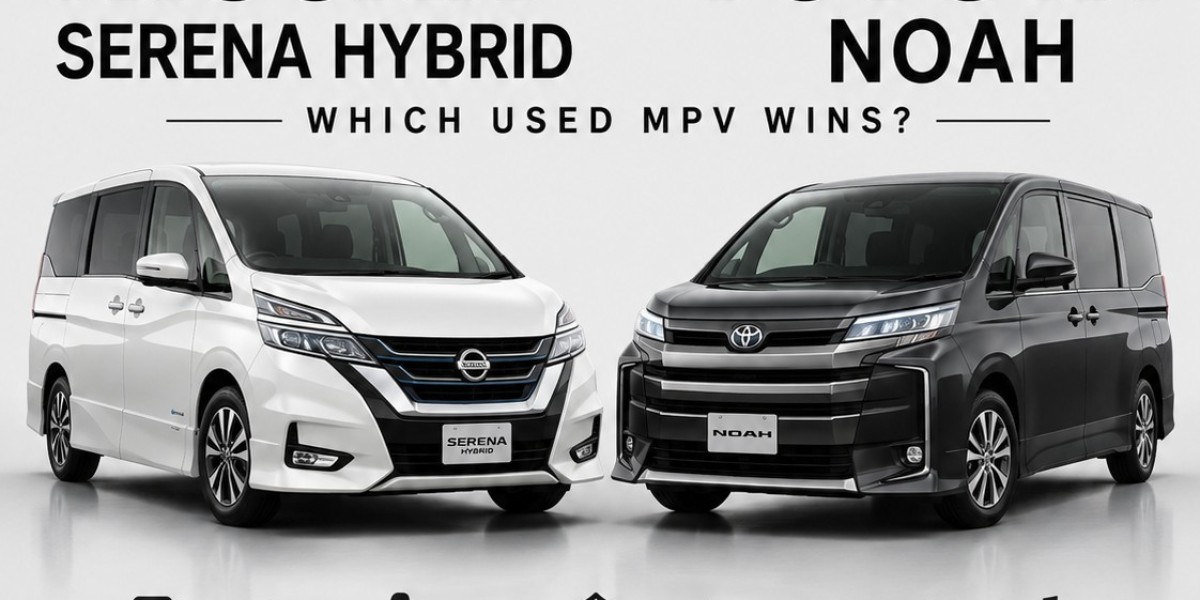


Choosing between the Nissan Serena Hybrid vs Toyota Noah isn't simply a matter of comparing specifications. Both Japanese MPVs have earned loyal followings thanks to their practicality, reliability, and family-friendly design, yet they appeal to different types of buyers. The Serena is known for its exceptionally spacious cabin and clever seating arrangements, while the Noah has built a reputation for excellent fuel economy and Toyota's proven hybrid technology.
For buyers considering a used import, the model itself is only part of the equation. Vehicle condition, maintenance history, auction grade, and hybrid system health often have a greater impact on long-term ownership than the badge on the bonnet. Understanding how these MPVs perform in real-world driving, what common issues to inspect, and which model offers stronger resale value can make the difference between a smart purchase and an expensive mistake. This comparison explores the strengths, weaknesses, and ownership experience of both vehicles to help buyers make an informed decision.
Nissan Serena Hybrid vs Toyota Noah: At a Glance
| Feature | Nissan Serena Hybrid | Toyota Noah Hybrid |
|---|---|---|
| Seating Capacity | 7–8 Passengers | 7–8 Passengers |
| Hybrid System | S-Hybrid (Mild Hybrid) | Toyota Full Hybrid |
| Real-World Fuel Economy | 15–18 km/L | 20–24 km/L |
| Ride Comfort | Excellent | Excellent |
| Cabin Space | Outstanding | Very Good |
| Maintenance Cost | Moderate | Slightly Lower |
| Resale Value | Strong | Excellent |
| Best For | Large Families | Daily Commuters |
Interior Space and Everyday Practicality
Both MPVs are designed for families, but they approach practicality differently.
The Nissan Serena offers one of the most spacious cabins in its class. Wide sliding doors make access easy in tight parking spaces, and the flexible seating layout allows owners to prioritise either passenger comfort or luggage capacity. Families travelling with children often appreciate the Serena's generous third-row seating and numerous storage compartments.
The Toyota Noah feels slightly more refined inside. Higher-spec models include premium materials, power sliding doors, and a cleaner dashboard layout. Although its interior is marginally smaller than the Serena's, clever seat configurations make it highly practical for everyday use.
Nissan Serena Highlights
- Excellent third-row space
- Wide-opening sliding doors
- Large cargo area when rear seats are folded
- Practical family-oriented cabin
Toyota Noah Highlights
- High-quality interior finish
- Flexible seating arrangements
- Quiet cabin
- Comfortable second-row seating
Hybrid Technology and Fuel Economy
Fuel efficiency is often one of the biggest deciding factors in the Nissan Serena Hybrid vs Toyota Noah comparison.
The Serena uses Nissan's S-Hybrid system, a mild hybrid setup that assists the petrol engine during acceleration and improves stop-start efficiency. It reduces fuel consumption without adding significant maintenance complexity.
Toyota takes a different approach. The Noah Hybrid uses Toyota's well-established full hybrid system, allowing the vehicle to run on electric power at lower speeds before seamlessly switching to petrol when needed.
In everyday driving, owners commonly report:
- Toyota Noah Hybrid: approximately 20–24 km/L
- Nissan Serena S-Hybrid: approximately 15–18 km/L
Actual figures vary depending on driving style, road conditions, tyre condition, and maintenance, but the Toyota generally delivers noticeably better fuel economy.
For buyers covering high annual mileage, the Noah's efficiency can translate into meaningful fuel savings over several years.
Reliability and Common Issues to Check
Both manufacturers have excellent reputations for durability, but every used vehicle deserves a careful inspection.
Nissan Serena Hybrid
Before purchasing, inspect for:
- Weak auxiliary battery affecting the S-Hybrid system
- CVT transmission performance
- Suspension wear
- Electric sliding door operation
- Complete service history
Toyota Noah Hybrid
Buyers should check:
- Hybrid battery health
- Cooling system condition
- Brake wear
- Suspension bushings
- Regular servicing records
Neither model suffers from widespread reliability concerns when maintained correctly, but documented maintenance remains one of the strongest indicators of future dependability.
Which Generation Offers the Best Value?
For many buyers, models produced between 2018 and 2022 represent the sweet spot.
These vehicles typically benefit from updated safety technology, improved infotainment systems, refined hybrid performance, and modern styling while remaining considerably more affordable than brand-new alternatives.
They also tend to have better availability in export markets, providing buyers with a wider selection of well-maintained examples.
Maintenance Costs
Routine servicing costs are relatively similar for both MPVs.
Typical annual maintenance usually includes:
- Engine oil and filter replacement
- Air filter replacement
- Brake inspection
- Transmission fluid checks
- Hybrid system inspection
Toyota's hybrid components have an excellent long-term reputation, while Nissan's simpler mild hybrid system can result in lower repair complexity if components require replacement.
Resale Value
Toyota has traditionally maintained stronger resale values across many international markets.
The Noah's reputation for fuel efficiency, dependable hybrid technology, and global parts availability helps it retain value particularly well after five years of ownership.
The Serena also performs strongly, especially in countries where spacious family vehicles are in high demand, but depreciation is generally slightly higher than its Toyota rival.
Buying Through Japanese Vehicle Auctions
When comparing two used imports, vehicle condition often matters more than the badge on the grille. Auction grade, verified mileage, accident history, and maintenance records provide valuable insight into how well a vehicle has been cared for.
Many importers source vehicles directly through Japanese auctions because auction sheets offer transparent information about each car's overall condition before export. For buyers seeking greater confidence during the purchasing process, browsing Japanese vehicle auction cars provides access to thousands of professionally inspected vehicles from multiple auction houses, making it easier to compare options before committing to a purchase.
Expert Recommendation
If most journeys involve city driving and fuel costs are a top priority, the Toyota Noah Hybrid is likely to be the more economical choice thanks to its outstanding real-world efficiency.
However, buyers who frequently travel with seven or eight passengers, carry bulky luggage, or value maximum cabin flexibility may find the Nissan Serena Hybrid better suited to everyday family life. Its spacious interior and versatile seating arrangements remain among the strongest in the MPV segment.
Both models are widely available as quality used cars from Japan, allowing buyers to choose from a broad range of specifications and mileage options.
Final Verdict
There isn't a universal winner in the Nissan Serena Hybrid vs Toyota Noah comparison because each excels in different areas.
The Toyota Noah Hybrid stands out for its excellent fuel economy, impressive resale value, and mature hybrid technology, making it particularly attractive for buyers covering significant annual mileage.
The Nissan Serena Hybrid answers with one of the roomiest cabins in its class, exceptional passenger comfort, and thoughtful family-oriented features that make daily use remarkably convenient.
For most buyers, choosing the better MPV comes down to how it will be used. A carefully maintained example with verified history and a strong auction grade will almost always prove to be a better investment than simply selecting a particular badge or model year.
References
- Toyota Global – Hybrid Technology: https://global.toyota/en/
- Nissan Global – Serena: https://www.nissan-global.com/
- JNCAP Safety Ratings: https://www.nasva.go.jp/








