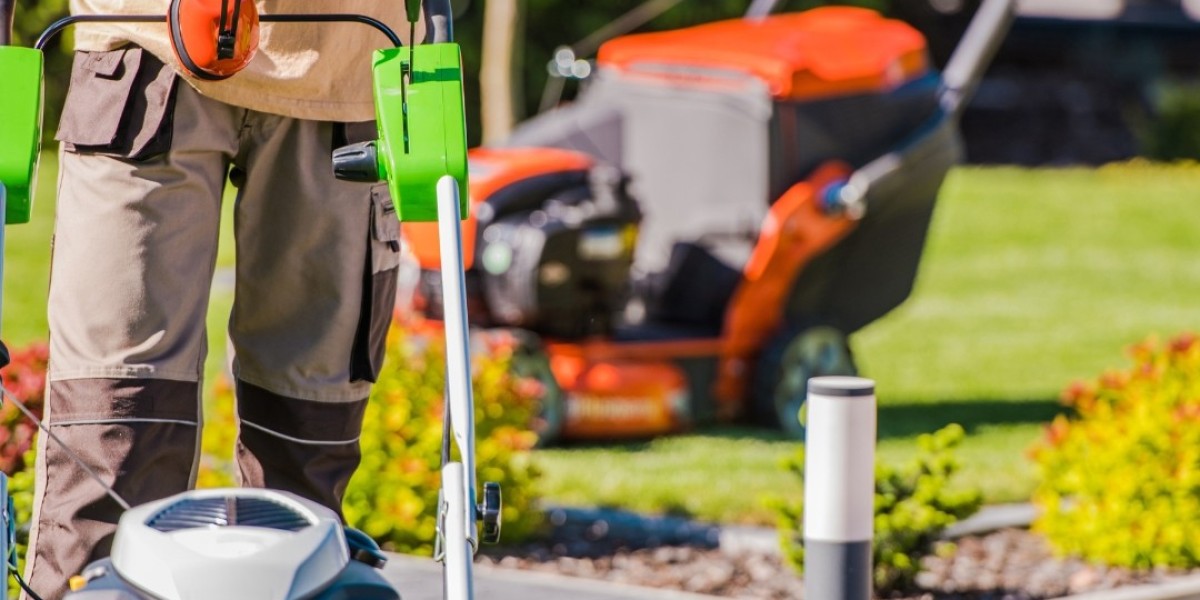


Maintaining a well-kept landscape is more than just aesthetic appeal. For commercial properties, landscape maintenance plays a critical role in enhancing property value, attracting tenants, and creating a lasting impression on clients and visitors. The connection between professional landscaping and increased property worth is often underestimated, yet it offers tangible benefits for business owners and property managers alike.
The Link Between Landscape Maintenance and Property Value
Property value isn’t solely determined by the size or location of a commercial property. The condition of outdoor spaces can significantly influence perceptions and market valuation. Well-maintained landscaping signals attention to detail and overall property care, which can positively impact appraisal values. On the flip side, neglected landscapes with overgrown plants, patchy lawns, or dead trees can deter potential tenants, clients, and investors.
Regular landscape maintenance ensures that all outdoor elements—from lawns and trees to hardscapes—remain in optimal condition. This not only improves curb appeal but also reinforces the property’s reputation as a professional, high-quality investment.
How Curb Appeal Affects Commercial Property Value
First impressions matter. For commercial properties, the exterior is often the first point of contact for visitors, clients, or potential tenants. A pristine, well-planned landscape creates a welcoming environment and conveys professionalism. Studies show that properties with enhanced curb appeal often sell faster and at higher prices. Landscape maintenance directly contributes to this by:
Maintaining healthy grass, shrubs, and trees
Keeping walkways and parking areas clean and safe
Implementing seasonal planting and color schemes for visual appeal
The combination of these factors strengthens the property’s overall marketability and can lead to higher rental or sale values.
Key Components of Commercial Landscape Maintenance
Effective landscape maintenance involves more than occasional mowing or pruning. Commercial properties require a structured approach to ensure long-term health, functionality, and aesthetic appeal. Key components include:
Lawn and Turf Management
Regular mowing, fertilization, aeration, and irrigation are essential to keep turf areas lush and healthy. Proper lawn care prevents disease, improves soil quality, and enhances the visual appeal of open spaces. Healthy lawns also provide functional areas for gatherings, outdoor events, or employee breaks, adding to the property’s utility and attractiveness.
Tree and Shrub Care
Trees and shrubs are critical for both aesthetics and environmental benefits. Routine pruning, pest control, and nutrient management help maintain structural integrity and visual appeal. Mature, healthy trees can increase property value by providing shade, reducing energy costs, and creating a sense of permanence and stability.
Hardscape and Infrastructure Maintenance
Commercial properties often feature walkways, patios, retaining walls, and parking areas. Regular inspections and upkeep prevent deterioration, accidents, and liability issues. Clean and well-maintained hardscape elements enhance both safety and aesthetics, reinforcing the property’s perceived value.
Seasonal Planting and Mulching
Updating flower beds and installing seasonal plants add color and vibrancy throughout the year. Mulching not only improves soil quality and plant health but also creates a polished, professional appearance. These practices demonstrate ongoing investment in the property’s exterior, which positively influences market perception.
Financial Benefits of Regular Landscape Maintenance
Investing in landscape maintenance can offer significant returns. Beyond increasing curb appeal, a professionally maintained commercial landscape can:
Increase Property Appraisal Values: Well-kept landscapes contribute to higher property valuations during assessments.
Attract Tenants and Clients: A visually appealing property draws more business, reducing vacancy rates.
Reduce Long-Term Costs: Routine maintenance prevents costly repairs caused by neglect, such as tree removal or soil remediation.
In essence, landscape maintenance is a cost-effective strategy for protecting and enhancing commercial property investments.
Environmental and Sustainability Advantages
Commercial landscape maintenance also supports sustainability goals. Proper irrigation, native plant selections, and efficient turf management reduce water usage and environmental impact. These green practices not only appeal to environmentally conscious tenants but also improve the property’s market reputation and long-term viability.
Regular landscape maintenance is far more than an aesthetic upgrade for commercial properties—it is a strategic investment that directly boosts property value. Healthy lawns, well-kept trees and shrubs, clean hardscapes, and seasonal planting contribute to a professional appearance, attract tenants, and enhance marketability. By prioritizing landscape maintenance, commercial property owners safeguard their investments, reduce long-term costs, and create an environment that speaks volumes about their commitment to quality.










