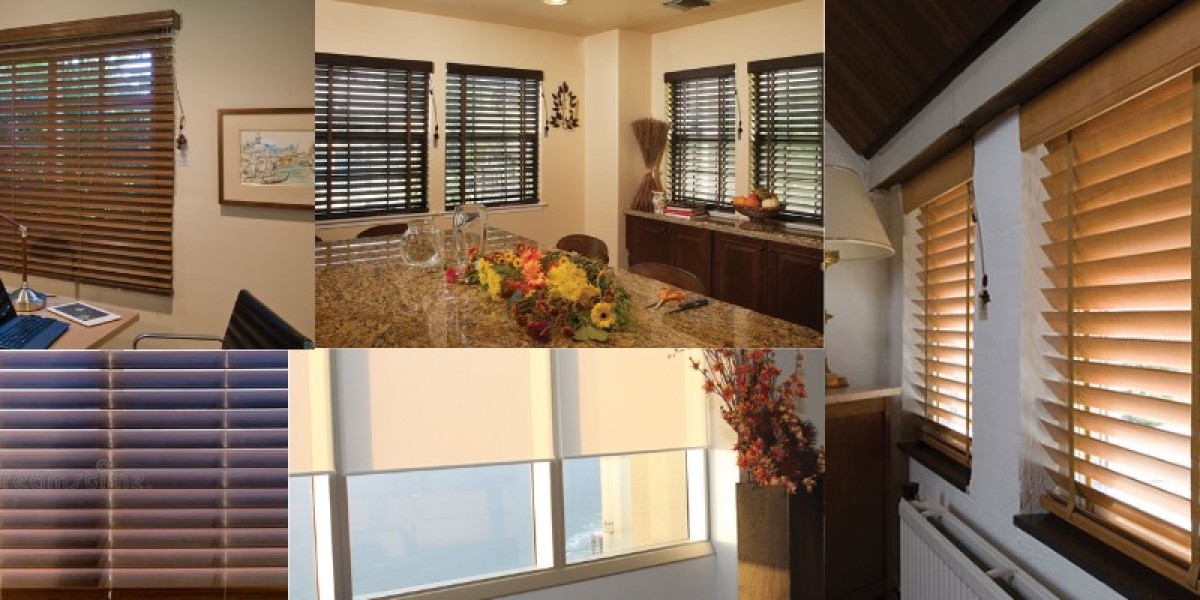


If you are living anywhere along the Central Coast or the coastal fringe of New South Wales, you already know what salt air does to a house. Within 12 months, cheap hardware starts to rust, the exposed timber bleaches, and poorly specified window treatments start to look like a liability. When asked whether timber Venetian blinds can actually survive right on the beachfront, most vendors answer the same: "Yes", but only if you stop treating them like standard indoor furniture and instead treat them like marine equipment.
Salt-laden air doesn't stop at the beach and carries microscopic salt particles well inland, particularly across suburbs throughout the Central Coast. According to the Australian Bureau of Meteorology, coastal humidity remains consistently higher than inland regions for much of the year. In these situations, good-quality Venetian blinds last because they are maintained and not ignored.
Timber Venetian Blinds Need A Different Maintenance Routine
People often assume that indoor window furnishings can easily escape coastal weather conditions because they are protected from the rain. This is just the half-truth, and when salt enters homes through open windows, doors and ceiling fans, etc. It settles onto everything, including these wooden Venetian blinds. Moisture in the air keeps attracting it back, and this is where maintenance issues begin. Unlike aluminium and PVC products, natural timber expands and contracts and even the most premium Venetian blinds made from timber will respond to seasonal moisture changes. A high-quality manufacturing process reduces movement, but it will never eliminate physics completely.
Remove Salt Build-Up Asap
Dusting alone isn't enough near the coast because salt crystals are abrasive. Every time these Venetian blinds are opened or closed with accumulated salt sitting on the surface, these particles gently wear away protective finishes. A better routine to remove salt looks like this –
● Dust weekly using a microfiber cloth
● Wipe slats monthly with a lightly damp cloth
● Dry immediately afterwards
● Avoid soaking timber
Amidst all this, a very common mistake homeowners make in coastal regions is leaving blinds untouched through the winter because they don't look dirty. The fact is that salt deposits are often invisible, and they continue to sit there and eat away the surface.
Don't Ignore Indoor Humidity
The weather outside isn't always the biggest problem for homeowners. Bathrooms without extraction, kitchens producing steam and drying washing indoors all contribute towards increasing indoor humidity. When it combines with the coastal air, it creates a small indoor microclimate that timber experiences every day.
This is where microclimate-informed interior design becomes surprisingly relevant, as interior designers increasingly consider airflow, glazing orientation, and room moisture when selecting natural materials. Even something as simple as improving ventilation after cooking can reduce long-term stress on timber finishes. Similarly, a small dehumidifier during prolonged humid spells often costs far less than repairing damaged timber components later.
"Salt rarely destroys timber overnight and small amounts of moisture, repeated hundreds of times, usually do the real damage."
Check Protective Coating Before Summer
Not every finish ages at the same rate and good-quality wear-resistant coatings are very helpful in minimising moisture absorption. But sunlight slowly weakens these protective layers, particularly in north and west-facing properties. Rather than waiting for visible damage, it is important to inspect timber Venetian blinds every spring season and look for the following –
● Dull patches
● Uneven sheen
● Slight roughness
● Fading around edges
● Sticky residue
These are usually early warning signs — not reasons to replace the blinds. Maintaining finishes early is considerably cheaper than restoring exposed timber after moisture penetration.
Material Choice Still Matters Years Later
Maintenance starts long before the first clean. Some lightweight timbers naturally perform better in humid environments compared to their heavier counterparts because they experience less internal stress during seasonal expansion. Vendors of wooden Venetian blinds recommend Paulownia timber for manufacturing premium timber Venetian blinds. This timber combines dimensional stability with lower overall weight. There will be no load on the lifting mechanism, and the entire structure will remain less prone to noticeable movement under changing humidity levels.
Installation Matters As Much As The Material
Material alone cannot do anything if it is installed poorly or not as per the standards. Constant direct sunlight and neglected maintenance can trim down the life of even the most premium timber Venetian blinds. Industry guidelines from organisations such as The Housing Industry Association emphasise selecting building materials based on local environment conditions rather than relying only on appearance or upfront cost.
Keep Moving Parts Dry And Clean
Timber usually gets most of the attention in timber Venetian blinds, but the operating system also deserves the same care. Salt doesn't just settle on the slats, and in fact, it works its way into ladders, cords, tilt mechanisms, head rails, etc. Over time, fine salt particles mix with dust to become mildly abrasive, and the friction it creates makes blinds feel stiff rather than smooth. You can prevent this from happening by following these steps every month.
● Vacuum the head rail using a soft brush attachment
● Check cords for signs of fraying
● Wipe exposed hardware with a dry microfiber cloth
● Operate the blinds fully a few times to keep mechanisms moving freely
Vendors recommend avoiding household lubricants unless they come with specific recommendations regarding usage on timber Venetian blinds because many oil-based products attract dust and airborne salt.
Don't Let Condensation Set Against The Timber
Winter mornings across the Central Coast often bring another problem that homeowners continue to overlook for a long time. This problem is condensation, which can be easily handled with double-glazing options. But many homes still experience moisture forming on glass overnight. When blinds remain fully closed against damp windows for several hours, moisture can become trapped between the glass and timber. The solution is simple: open the slats slightly during the morning or raise the blinds for an hour once condensation disappears.
This small habit can help you prevent your blinds from getting damp and keep them dry, along with the windows. It's just a 5-minute adjustment, but it will save years of unnecessary wear.
Marine Protection Is Beneficial
Not every protective coating is designed for coastal conditions. Higher-quality marine-grade finishes provide better resistance to moisture and salt exposure compared to standard interior coatings.
They are not maintenance-free, but they are capable enough of retaining their protective qualities for longer periods in properties around the coastal region. If blinds are being refinished, you must ask specifically about coatings that are suitable for a coastal environment rather than accepting anything coming your way.
CLEAN SMARTER, NOT MORE AGGRESSIVELY
One of the fastest ways to shorten the life of timber blinds is over-cleaning. Harsh chemicals, abrasive pads and excessive water strip protective coatings faster than coastal weather itself. Instead, you can do the following:
● Use pH-neutral cleaning products
● Never soak timber slats
● Dry surfaces immediately after wiping
● Test unfamiliar products on a hidden area first
Many professional installers would rather see blinds cleaned gently every month than scrubbed aggressively twice a year.
A Quick Maintenance Checklist
For coastal homes, a practical routine maintenance schedule includes the following steps:
● Weekly dust removal
● Monthly damp wipe and immediate drying
● Check for salt deposits after prolonged windy weather
● Improve room ventilation during humid periods
● Keep condensation off timber wherever possible
● Inspect finishes each spring before summer UV exposure.
● Service operating mechanisms annually if blinds receive daily use
These easy habits take very little time, but they can make a noticeable difference over the lifespan of quality timber window furnishings.
Faqs — Real Questions From Central Coast Homes
How Often Should I Clean Timber Venetian Blinds Near The Beach?
Weekly dry or damp dusting. Salt builds up fast within 3–4km of the coast.
Can Salt Air Void My Blind Warranty?
It can, as most manufacturers exclude "environmental damage" if you're in a high-corrosion zone. Check the fine print.
Are Wooden Venetian Blinds Okay In A Bathroom?
Only with paulownia timber and marine-grade finishes, plus serious ventilation. Otherwise expect edge swelling within 2 years on the coast.
What's The Best Finish For Coastal Humidity?
Two-pack polyurethane or warp-resistant coatings rated for external use. Standard lacquer fails by year 3 in salt-air zones.
Do I Need To Close Blinds During A Southerly Buster?
Yes. Tilt them up, slats closed. Stops direct salt spray if the window's open and reduces pressure warping from wind gusts.
Why Are My Slats Sticking In Summer But Fine In Winter?
Humidity expansion. Timber swells across the grain. Ease the tilt tension in January, and it'll settle.
Is Paulownia Timber Worth The Extra Cost In 2026?
On the Central Coast, yes. 2026 pricing is about $315–$350 per sqm fitted vs. $270–$300 for basswood. You'll save that in recoat costs alone.
Can I Use Oil Instead Of Polyurethane On Coastal Blinds?
No. Oil finishes need reapplication every 6–12 months and offer no salt barrier. You'll be sanding in 18 months.
How Do I Know If My Blinds Have Marine-Grade Finishes?
Ask for the product data sheet. If your installer can't provide it, assume they don't. HIA members are required to keep material specs for 7 years.
Conclusion
Salt air is hard on timber, but it does not automatically rule out a beautiful window covering. The better answer is maintenance that matches the environment, not a once-a-year wipe-down and a hopeful attitude.
For coastal homes, timber venetian blinds last longer when the finish is checked early, the room is ventilated properly and the signs of salt exposure are dealt with before they spread. That is usually what separates a smart purchase from an expensive lesson.
A good next step is to compare the blind material, finish, and room conditions together before the damage starts to show.








