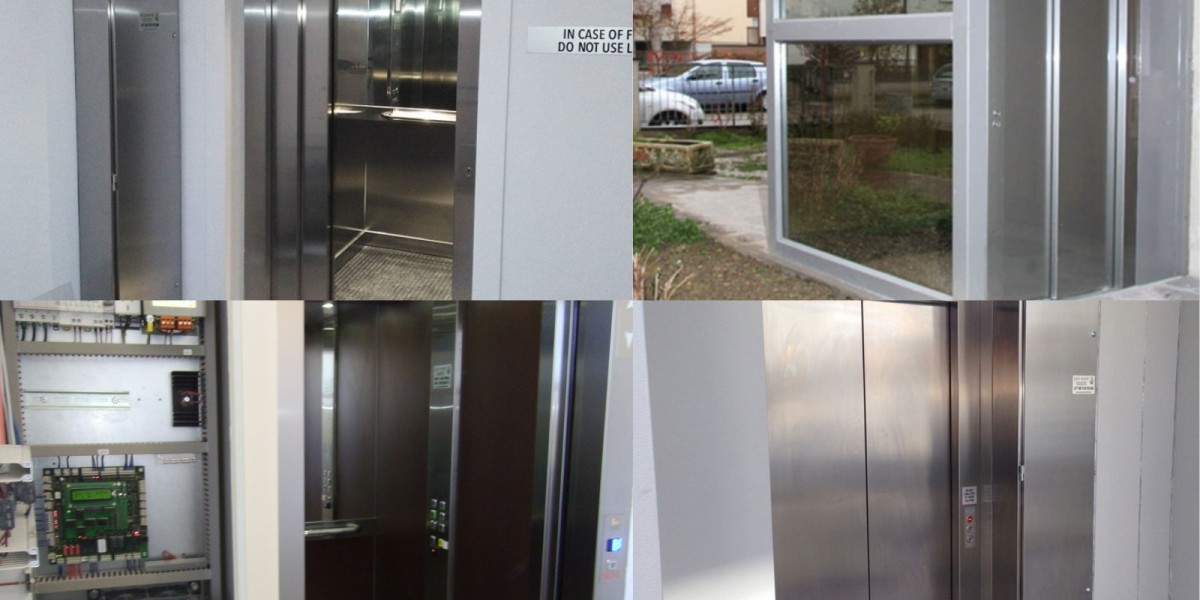


Walk into any mid-term commercial build or warehouse retrofit in Sydney or Melbourne, and you will notice a common theme behind these scenes. While multi-storey skyscrapers depend on complex traction systems, low-rise commercial engineering tells a completely different story. Property owners trying to shift heavy inventory efficiently invariably land on a reliable solution: a high-quality hydraulic lift cart or a low-rise hydraulic elevator system.
This happens more than many people realise. Despite rapid advances in elevator technology, hydraulic systems continue to remain the preferred choice for many Australian low-rise commercial properties. This is not because they were using these elevators traditionally. This decision is mainly driven by engineering practicality, installation costs, ongoing maintenance and how these buildings actually operate day after day.
SIMPLE BUILDING HEIGHTS FAVOUR HYDRAULIC ENGINEERING
Most commercial buildings across Australia sit between two and four levels. Buildings such as medical centres, childcare facilities, warehouses, retail complexes, and office buildings rarely require the travel speed offered by traction systems. A commercial hydraulic lift in these areas delivers reliable vertical transport without introducing unnecessary engineering complexity. The result is often a more straightforward project from design through to commissioning.
LOWER STRUCTURAL DEMANDS CAN REDUCE CONSTRUCTION COSTS
One advantage that's sometimes overlooked involves structural loading. Hydraulic systems generally place different engineering demands on a building compared with traction lifts. On many low-rise developments, this can simplify parts of the structural design, particularly during new construction.
Every project is different, of course and therefore, an experienced structural engineer still needs to assess the following before decision-making:
- Building load paths
- Shaft dimensions
- Foundation requirements
- Lift pit depth constraints
- Future expansion possibilities
Trying to minimise upfront costs by reducing engineering reviews usually creates more expensive variations later.
RETROFITTING EXISTING BUILDINGS IS OFTEN LESS DISRUPTIVE
Australia has thousands of older commercial buildings constructed decades before accessibility became a major design consideration. Adding lift access in these buildings later presents numerous challenges like –
- Limited roof space
- Restricted service zones
- Existing structural walls
This is where hydraulic lifts become very useful, as they frequently provide greater flexibility during retrofit projects. The overall building configuration doesn't always require extensive overhead alterations associated with other lift technologies. For many owners, that means shorter construction programmes and fewer interruptions to tenants.
HYDRAULIC LIFT CART SYSTEMS SUIT MODERATE DAILY TRAFFIC
- Not every commercial property experiences constant passenger movement. For example –
- A suburban medical practice may only experience heavier demand during morning appointments.
- A small warehouse may primarily move goods between levels several times an hour.
- A professional office building may see peak traffic only at the beginning and end of the day.
In these situations, hydraulic lift carts can be very useful, as they will comfortably meet operational requirements without paying for performance the building simply won't use.
TRACTION VS. HYDRAULIC ISN'T ALWAYS ABOUT SPEED
Many buyers immediately compare traction vs. hydraulic based on travel speed, but this is only part of the equation.
For buildings under four or five levels, speed differences often have minimal impact on everyday users. Therefore, lift installation professionals often examine the following:
- Expected passenger volumes
- Available building space
- Maintenance access
- Long-term operating costs
- Future tenancy changes
Those factors generally influence the best lift selection far more than a few extra seconds of travel time. A fact is that the best commercial lift isn't the fastest one. It's basically the one that matches how the building actually works over the next twenty years. This is the principle that many experienced project managers quietly follow.
AUSTRALIAN ACCESSIBILITY REQUIREMENTS CONTINUE DRIVING INSTALLATIONS
Accessibility expectations have changed significantly over the past decade and commercial property owners these days are increasingly upgrading buildings to improve access for customers, staff and visitors. Installation professionals handling lift installation and retrofitting projects must also consider obligations under The National Construction Code (NCC) and accessibility standards that apply to commercial developments. They understand that early planning reduces expensive redesigns during approval stages.
Ignoring accessibility during renovations rarely saves money, and at the same time, it usually delays projects instead. According to the Australian Building Codes Board, accessibility provisions remain a key consideration in commercial building compliance, particularly during major refurbishments.
TRAVEL SPEED IS IRRELEVANT AT 2 STOPS
A traction lift does 1.0–2.5m/s and a hydraulic lift cart does 0.3–0.6m/s. On a 4m rise, that's 7 seconds vs. 13 seconds and a user never complains about 6 seconds, but they definitely complain about a 9-week lead time because the traction guide rails needed custom brackets. Speed doesn't dominate low-rise commercial engineering, but availability does.
WHAT KILLS TIMELINES ON LOW-RISE INSTALLS?
- Structural load capacity reviews
- Lift pit depth constraints forcing redesign
- Council asking for DDA compliance proof mid-build
- Lead times on traction machines from overseas
LONG-TERM VALUE OFTEN OUTWEIGHS INITIAL PURCHASE PRICE
Choosing a commercial lift isn't simply about buying equipment, and it's mainly about selecting infrastructure that should continue supporting the building for decades. Looking only at the lowest quotation clearly means ignoring several important factors like:
- Expected service life
- Building suitability
- Energy consumption
- Planned maintenance
- Future tenant requirements
- Upgrade flexibility
A lift that costs slightly higher at present will definitely align better with the building's engineering later. It will prove significantly cheaper over its operational life.
QUICK COMPARISON: WHEN HYDRAULIC MAKES THE MOST SENSE
For many Australian low-rise commercial projects, hydraulic lifts remain the preferred option when:
- The building has two to five levels
- Passenger volumes are moderate
- Goods movement is part of daily operations
- Structural alterations need to be minimised
- Long-term maintenance predictability is a priority
- Building owners want proven, well-supported technology
That doesn't make traction lifts the wrong choice, and it simply means that every building should be matched to the technology that best suits its operational requirements and not the latest trend.
FREQUENTLY ASKED QUESTIONS
DOES A HYDRAULIC LIFT CART SUIT EVERY COMMERCIAL BUILDING?
No. They're generally best suited to low-rise commercial properties where moderate passenger or goods traffic is expected.
IS A COMMERCIAL HYDRAULIC LIFT CHEAPER THAN A TRACTION LIFT?
Not always. Total project cost depends on building design, structural requirements, travel height and installation complexity.
ARE HYDRAULIC LIFTS RELIABLE?
Yes, provided they are subject to scheduled service and preventative maintenance during their operating life.
WHICH IS BETTER: TRACTION VS. HYDRAULIC?
Neither is always better. The choice depends on building height, traffic demand, available space and long-term operational needs.
CAN HYDRAULIC LIFTS CARRY GOODS AS WELL AS PASSENGERS?
Yes. Many commercial properties use them for mixed passenger and goods transport where structural load capacity is appropriate.
HOW OFTEN SHOULD A COMMERCIAL HYDRAULIC LIFT BE SERVICED?
Most commercial lifts follow scheduled maintenance programs recommended by the manufacturer and servicing contractor.
IS EARLY PLANNING IMPORTANT WHEN INSTALLING?
Absolutely. Early coordination among architects, engineers, and lift specialists usually reduces redesigns, delays, and unexpected construction costs.
CONCLUSION
Hydraulic lift carts continue to dominate Australia's low-rise commercial market because they solve practical building problems rather than chasing unnecessary performance. They suit the way many warehouses, offices, retail spaces and healthcare facilities actually operate—balancing installation practicality, dependable performance and long-term value. If you're planning a new commercial development or upgrading an existing building, discussing the site's engineering constraints with an experienced lift specialist early in the design process will usually lead to a more suitable outcome than comparing equipment on price alone.








