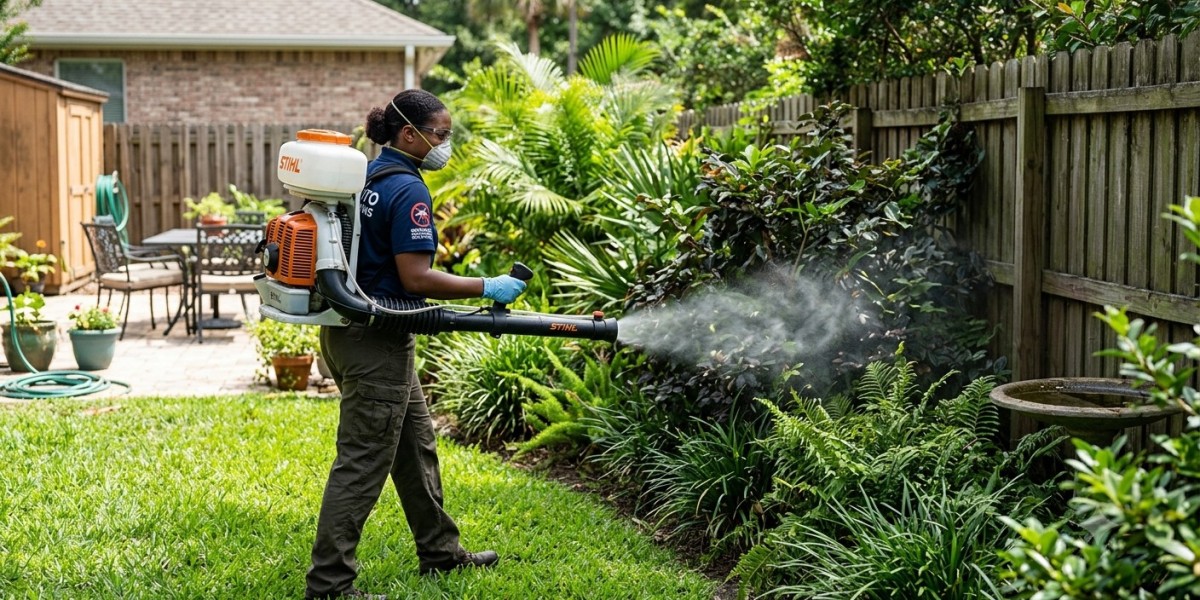


Mosquitoes are among the most common and troublesome insects in the world. Although they appear small and harmless, they are responsible for spreading dangerous diseases that affect millions of people every year. Diseases such as malaria, dengue fever, Zika virus, chikungunya, and West Nile virus are transmitted through mosquito bites, making mosquito control an important part of maintaining public health.
Apart from the health risks, mosquitoes can also make outdoor activities unpleasant. Whether you are relaxing in your backyard, gardening, or enjoying a picnic, mosquito bites can quickly ruin the experience. Fortunately, effective mosquito control methods can significantly reduce mosquito populations and protect families from bites.
This article explains the importance of mosquito control, identifies common mosquito breeding sites, discusses preventive measures, and explores both natural and professional mosquito control solutions.
Why Mosquito Control Is Important
Mosquito control is essential because mosquitoes are more than just annoying pests. Female mosquitoes feed on blood to obtain nutrients for laying eggs. During this process, they can transmit viruses and parasites from one person or animal to another.
Some of the major reasons mosquito control is necessary include:
- Preventing the spread of mosquito-borne diseases.
- Protecting children and elderly individuals from bites.
- Improving outdoor comfort.
- Reducing allergic reactions caused by mosquito bites.
- Maintaining a healthier environment around homes and communities.
Without proper mosquito control, mosquito populations can grow rapidly, especially during warm and rainy seasons.
Understanding the Mosquito Life Cycle
Understanding how mosquitoes reproduce is the first step toward effective control.
Mosquitoes go through four stages of development:
1. Egg
Female mosquitoes lay eggs on or near standing water. Depending on the species, a single mosquito can lay hundreds of eggs.
2. Larva
Eggs hatch into larvae, commonly known as "wigglers." They live in water and feed on microorganisms.
3. Pupa
The larva transforms into a pupa, which remains in water until it develops into an adult mosquito.
4. Adult
Adult mosquitoes emerge from the water and begin searching for food and breeding sites. Female mosquitoes seek blood meals, while males feed primarily on plant nectar.
The complete life cycle can take as little as one week under favorable conditions.
Common Mosquito Breeding Areas
Mosquitoes require standing water for reproduction. Even small amounts of water can become breeding sites.
Common breeding areas include:
- Bird baths
- Flower pots
- Buckets
- Old tires
- Gutters filled with leaves
- Rain barrels
- Pet water bowls
- Swimming pool covers
- Puddles
- Drainage ditches
Regular inspection and maintenance of these areas can greatly reduce mosquito populations.
Signs of a Mosquito Problem
Some signs that indicate a mosquito infestation include:
- Frequent mosquito bites.
- Buzzing sounds near ears.
- Large numbers of mosquitoes around gardens.
- Mosquitoes resting in shaded areas.
- Standing water around the property.
If mosquito activity increases significantly, immediate control measures should be taken.
Preventive Mosquito Control Measures
The best mosquito control strategy focuses on prevention.
Remove Standing Water
Standing water is the number one breeding ground for mosquitoes. Empty or clean containers that collect rainwater every few days.
Examples include:
- Buckets
- Plant saucers
- Children's toys
- Wheelbarrows
- Trash cans
Keep Gutters Clean
Blocked gutters collect rainwater and create ideal mosquito breeding conditions.
Clean gutters regularly, especially during the rainy season.
Maintain Your Lawn
Tall grass and dense bushes provide cool resting places for mosquitoes.
To reduce mosquito hiding spots:
- Mow the lawn regularly.
- Trim shrubs.
- Remove weeds.
- Dispose of yard waste.
Install Window and Door Screens
Screens prevent mosquitoes from entering your home.
Repair holes immediately and ensure screens fit properly.
Use Outdoor Fans
Mosquitoes are weak fliers.
Outdoor fans create air movement that makes it difficult for mosquitoes to fly and locate humans.
Natural Mosquito Control Methods
Many homeowners prefer environmentally friendly mosquito control solutions.
Essential Oils
Certain essential oils naturally repel mosquitoes.
Popular choices include:
- Citronella oil
- Lemon eucalyptus oil
- Lavender oil
- Peppermint oil
- Tea tree oil
These oils can be used in sprays or diffusers.
Mosquito-Repelling Plants
Some plants release scents that discourage mosquitoes.
Examples include:
- Citronella grass
- Basil
- Lavender
- Marigolds
- Mint
- Rosemary
Although these plants help, they should be combined with other mosquito control methods.
Remove Yard Debris
Leaves, wood piles, and overgrown vegetation create moist hiding places for mosquitoes.
Keeping the yard clean reduces mosquito shelter.
Encourage Natural Predators
Many animals naturally feed on mosquitoes, including:
- Bats
- Dragonflies
- Birds
- Frogs
- Certain fish species
Creating a balanced ecosystem can help control mosquito populations naturally.
Chemical Mosquito Control
When mosquito populations become severe, chemical treatments may be necessary.
Mosquito Sprays
Insecticide sprays quickly reduce adult mosquito populations.
Professional mosquito sprays typically provide protection for several weeks.
Larvicides
Larvicides target mosquito larvae before they become adults.
These products are often applied to ponds, drainage systems, and standing water that cannot be removed.
Mosquito Fogging
Fogging disperses insecticides over large outdoor areas.
This method is commonly used by municipalities during disease outbreaks or high mosquito activity.
Professional Mosquito Control Services
Professional pest control companies provide comprehensive mosquito management programs.
Services may include:
- Property inspection
- Identification of breeding sites
- Larvicide treatments
- Barrier spraying
- Ongoing maintenance
- Seasonal mosquito prevention
Professional treatments are often more effective for large properties or persistent mosquito infestations.
Personal Protection Against Mosquitoes
Individual protection is an important part of mosquito control.
Wear Protective Clothing
Long sleeves, long pants, and socks reduce exposed skin.
Light-colored clothing is generally less attractive to mosquitoes.
Use Insect Repellent
Apply mosquito repellent according to product instructions before outdoor activities.
Reapply as directed for continued protection.
Avoid Peak Mosquito Hours
Many mosquito species are most active during:
- Dawn
- Dusk
- Early evening
Limiting outdoor exposure during these times can reduce bites.
Community Mosquito Control
Mosquito control works best when entire neighborhoods participate.
Community efforts include:
- Cleaning public parks.
- Maintaining drainage systems.
- Educating residents.
- Monitoring mosquito populations.
- Eliminating standing water.
- Organizing cleanup campaigns.
Public cooperation significantly reduces mosquito breeding opportunities.
Common Mistakes in Mosquito Control
Many people unknowingly make mistakes that reduce mosquito control effectiveness.
Common mistakes include:
- Ignoring small water containers.
- Forgetting clogged gutters.
- Treating only adult mosquitoes.
- Skipping regular yard maintenance.
- Using repellents incorrectly.
- Waiting until mosquito populations become severe.
Consistent prevention is far more effective than reacting after mosquitoes have multiplied.
Benefits of Effective Mosquito Control
Investing in mosquito control provides numerous benefits.
These include:
- Reduced risk of mosquito-borne diseases.
- More enjoyable outdoor living.
- Better sleep without mosquito disturbances.
- Increased property value.
- Healthier communities.
- Improved quality of life.
Whether using natural methods or professional treatments, mosquito control contributes to a safer and more comfortable environment.








