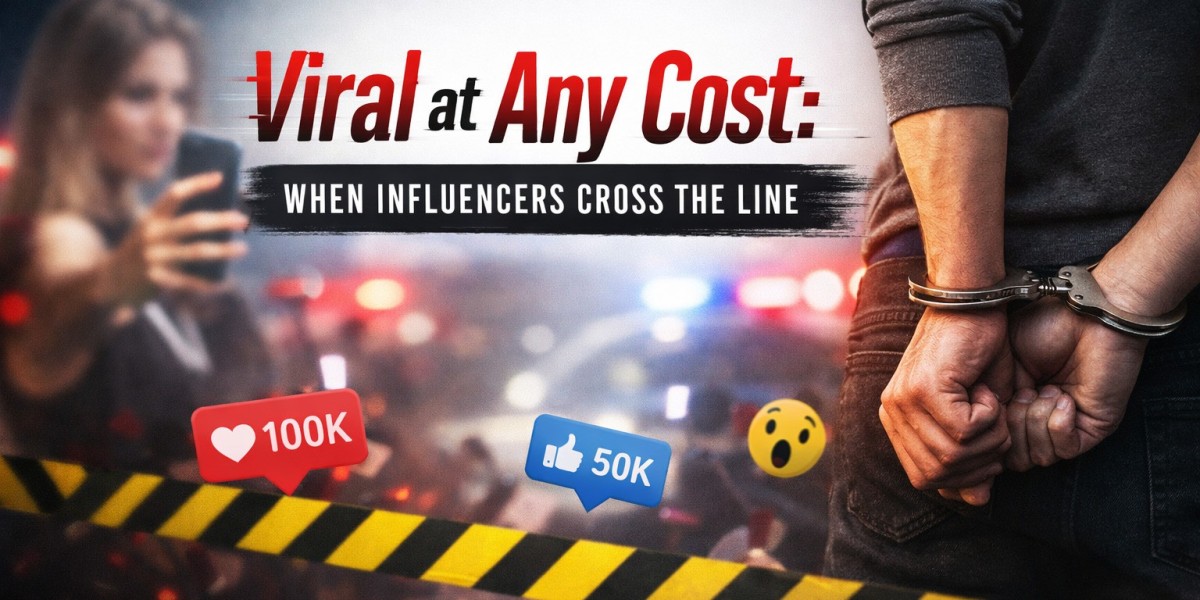


The influencer economy has transformed ordinary creators into global celebrities. With millions of followers, lucrative brand deals, and instant access to audiences, influencers wield tremendous power online. However, the race for attention can sometimes push creators toward increasingly controversial actions.
The phrase "influencers gone wild" has become a popular way to describe situations where social media personalities engage in extreme behavior, spark major controversies, or face public backlash. In many cases, the pursuit of Insta fame, engagement, and relevance leads creators to make decisions that ultimately damage their reputations.
Why Do Influencers Go Wild?
Social media platforms reward engagement.
Unfortunately, outrage, controversy, and shock value often generate more engagement than ordinary content. As competition increases, some creators feel pressure to push boundaries to remain visible.
Several factors contribute to the rise of influencers gone wild:
- Pressure to stay relevant
- Constant algorithm changes
- Competition for attention
- Financial incentives
- Viral culture
- Audience expectations
Research and online discussions frequently point out that controversial content often receives more visibility than educational or helpful content, creating incentives for creators to escalate their behavior.
1. Bonnie Blue: The Controversy Machine
Bonnie Blue became one of the most talked-about personalities online after a series of highly controversial publicity stunts that dominated social media conversations.
Her rise to fame demonstrates how shock value can rapidly increase visibility. Critics argued that many of her actions appeared designed to generate maximum discussion and media coverage.
Why She Went Viral
- Controversial public challenges
- Constant media attention
- Highly shareable content
- Ongoing speculation around personal claims
Her story became a prime example of how some creators use extreme behavior to manipulate engagement and remain in the spotlight. While the tactics generated attention, they also attracted criticism and platform scrutiny.
Key Lesson
Short-term attention does not always translate into long-term credibility.
2. Johnny Somali: When Content Turns Into Conflict
Johnny Somali became known for provocative content that repeatedly generated backlash online.
Many critics accused him of intentionally creating confrontational situations to attract views and viral clips. His activities sparked debates about creator responsibility and the limits of online entertainment.
Why He Drew Criticism
- Provocative public behavior
- Repeated controversies
- International backlash
- Legal and platform-related issues
His case highlights how the pursuit of viral moments can sometimes create consequences far beyond social media.
Key Lesson
Attention gained through controversy often comes with reputational risks that can follow creators for years.
3. August Vallat: From Inspiration to Backlash
August Vallat built an audience around outdoor adventures and environmentally conscious content.
However, controversy emerged after incidents that some followers felt contradicted the values he promoted online.
Why Followers Reacted
- Perceived inconsistency
- Questions about authenticity
- Public criticism
- Damage to personal branding
One reason influencer audiences react strongly to controversies is that followers often develop trust-based relationships with creators. When that trust is broken, backlash can be swift and severe.
Key Lesson
Authenticity remains one of the most valuable assets in influencer marketing.
4. Logan Paul: A Defining Influencer Scandal
Few influencer controversies generated as much global discussion as Logan Paul's infamous video controversy.
The incident sparked widespread criticism and became a turning point in discussions about creator accountability and platform responsibility.
What Happened
- A highly controversial video was published
- Massive public backlash followed
- Brands distanced themselves
- Platforms reviewed creator policies
The situation remains one of the most cited examples of how influencer decisions can quickly escalate into international news stories.
Key Lesson
Large audiences create large responsibilities.
5. Fyre Festival Promoters: The Marketing Disaster
The Fyre Festival remains one of the most famous influencer-related controversies in internet history.
Numerous influencers promoted the luxury music festival across social media. The event was marketed as an exclusive paradise experience but failed spectacularly when attendees arrived.
Why It Became Infamous
- Massive influencer-driven promotion
- Unrealistic expectations
- Event collapse
- Questions about disclosure and accountability
The controversy helped spark broader conversations about sponsored content transparency and influencer marketing ethics.
Key Lesson
Trust is difficult to earn and easy to lose.
The Psychology Behind Extreme Influencer Behavior
Why do influencers continue taking risks despite seeing others face backlash?
Several psychological and business factors contribute:
Fear of Irrelevance
Many creators worry that audiences will move on if they stop producing attention-grabbing content.
Algorithm Pressure
Social media algorithms reward engagement, encouraging creators to seek increasingly viral content.
Financial Incentives
Higher engagement often means:
- More sponsorships
- Better ad revenue
- Increased visibility
- More followers
Social Validation
Likes, comments, and shares can create a cycle where creators feel compelled to constantly outperform previous content.
The Dark Side of Insta Fame
The glamorous side of influencer culture often hides significant challenges.
These include:
Burnout
Many creators struggle with the pressure of constantly producing content.
Public Scrutiny
Every action is analyzed by followers, critics, and media outlets.
Mental Health Challenges
The pursuit of online validation can negatively impact well-being.
Reputation Risks
One controversial decision can undo years of brand building.
Experts studying influencer culture have observed how audience expectations and digital platforms can shape creator behavior in complex ways.
What Brands Can Learn From Influencers Gone Wild
Businesses investing in influencer marketing should carefully evaluate creators before partnering with them.
Review Past Content
Examine previous posts for signs of risky behavior.
Check Audience Quality
Large follower counts do not always indicate genuine influence.
Evaluate Brand Alignment
Ensure the influencer's values match your organization's goals.
Monitor Reputation
Public perception can change rapidly.
A strong influencer partnership should be based on trust, credibility, and authentic audience relationships.
How Creators Can Avoid Going Wild
Not every influencer falls into controversy.
Successful creators often focus on:
- Long-term credibility
- Honest communication
- Consistent values
- Sustainable growth
- Meaningful audience engagement
Instead of chasing short-term viral moments, they build trust through valuable content and authentic relationships.
The Future of Influencer Culture
The influencer industry continues evolving.
Audiences are becoming more aware of:
- Sponsored content
- Artificial engagement
- Manufactured controversies
- Authenticity issues
As platforms mature, transparency and trust are becoming increasingly important factors for long-term success. Studies on influencer marketing also suggest growing attention toward disclosure practices and accountability.
Conclusion
The phenomenon of influencers gone wild reveals both the opportunities and dangers of modern social media fame. Cases involving Bonnie Blue, Johnny Somali, August Vallat, Logan Paul, and the Fyre Festival promoters demonstrate how the pursuit of attention can sometimes lead creators into controversy.
While viral moments may generate temporary visibility, lasting success is typically built on trust, authenticity, and value. As influencer marketing continues to grow, both creators and brands must remember that reputation remains one of the most valuable assets in the digital world.








