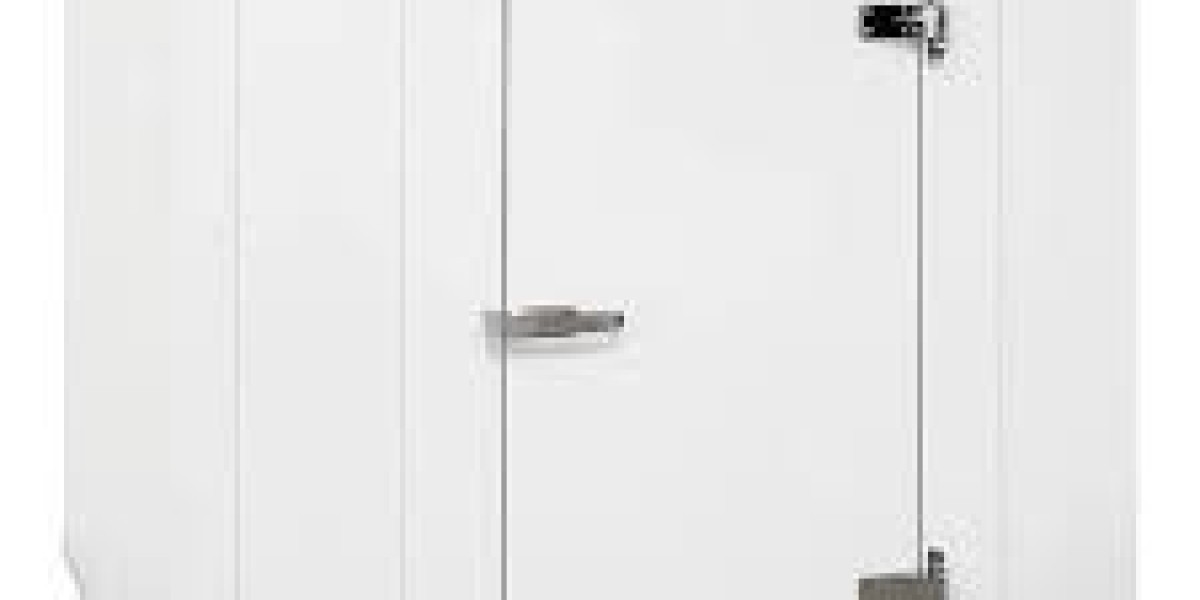


For restaurants, grocery stores, hotels, bakeries, convenience stores, food distributors, and other foodservice businesses, choosing between walk-in coolers and freezers is one of the most important decisions when planning commercial refrigeration. The right cold storage system not only protects inventory but also improves workflow, reduces food waste, and helps control operating costs.
While both walk-in coolers and walk-in freezers provide large-capacity storage, they serve different purposes. A walk-in cooler is designed for refrigerated products that need to remain fresh, whereas a walk-in freezer preserves products that require long-term frozen storage. Selecting the wrong system can affect product quality, energy consumption, and daily operations.
This guide compares walk-in coolers and freezers, explains their differences, highlights their benefits, and helps you determine which solution best fits your business.
What Are Walk-In Coolers?
A walk-in cooler is a refrigerated storage room that maintains temperatures above freezing to preserve fresh products.
These systems are commonly used for storing:
Fresh fruits and vegetables
Dairy products
Meat
Poultry
Seafood
Beverages
Prepared meals
Bakery ingredients
Floral products
Walk-in coolers are ideal for businesses that require frequent access to fresh inventory throughout the day.
What Are Walk-In Freezers?
A walk-in freezer is an insulated frozen storage room designed to maintain temperatures below freezing for long-term preservation.
Products commonly stored include:
Frozen meat
Seafood
Ice cream
Frozen vegetables
Frozen desserts
Prepared frozen meals
Bakery products
Bulk frozen inventory
Walk-in freezers help businesses safely store frozen products while maintaining product quality over extended periods.
Walk-In Cooler vs. Walk-In Freezer
Understanding the differences between these systems makes choosing the right equipment much easier.
Feature | Walk-In Cooler | Walk-In Freezer |
Temperature | Above freezing | Below freezing |
Primary Purpose | Fresh food storage | Frozen food storage |
Products Stored | Produce, dairy, beverages | Meat, seafood, frozen foods |
Energy Consumption | Generally lower | Generally higher |
Insulation Requirements | Standard commercial insulation | Heavier insulation |
Door Features | Standard insulated doors | Heated doors and seals often required |
Each system serves a unique purpose, and some businesses require both.
Which Businesses Need Walk-In Coolers?
Walk-in coolers are ideal for businesses handling fresh products.
Common users include:
Restaurants
Cafés
Bakeries
Grocery stores
Hotels
Floral shops
Catering companies
Convenience stores
These businesses benefit from easy access to refrigerated ingredients and beverages.
Which Businesses Need Walk-In Freezers?
Walk-in freezers are essential for businesses storing frozen inventory.
They are commonly used by:
Meat processors
Seafood suppliers
Food distributors
Ice cream shops
Grocery stores
Hotels
Restaurants
Institutional kitchens
Frozen storage helps maintain product quality over longer periods.
When Should You Choose Both?
Many commercial kitchens require both refrigeration and frozen storage.
Combination systems work well for:
Restaurants
Hotels
Supermarkets
Hospitals
Food production facilities
Catering companies
Using both systems allows businesses to separate fresh and frozen inventory while improving organization and workflow.
Factors to Consider Before Buying
Selecting the right system involves evaluating several important factors.
Storage Requirements
Estimate:
Daily inventory
Delivery schedules
Seasonal demand
Future expansion
Proper sizing helps avoid overcrowding or unnecessary operating costs.
Available Space
Measure:
Floor dimensions
Ceiling height
Door clearance
Employee traffic
Equipment access
Planning ahead simplifies installation.
Energy Efficiency
Energy-efficient refrigeration systems reduce operating costs.
Look for:
Premium insulation
Efficient compressors
LED lighting
Digital temperature controls
Quality door seals
Although efficient equipment may cost more initially, it often provides significant long-term savings.
Refrigeration System
Businesses typically choose between:
Self-Contained Systems
Advantages include:
Easier installation
Lower initial investment
Compact design
Suitable for smaller businesses.
Remote Systems
Benefits include:
Quieter operation
Better efficiency
Greater cooling capacity
Reduced indoor heat
Recommended for larger commercial facilities.
Choosing the Right Size
The correct size depends on both your current operations and future plans.
Consider:
Product volume
Inventory turnover
Storage layout
Employee workflow
Expansion plans
Buying slightly larger than your immediate needs often provides greater flexibility.
Features to Look For
Modern walk-in coolers and freezers include numerous features that improve performance.
Important features include:
High-density polyurethane insulation
Heavy-duty insulated doors
LED lighting
Adjustable shelving
Digital controls
Temperature monitoring systems
Anti-slip flooring
Strip curtains
These features improve efficiency while simplifying daily operations.
Installation Considerations
Professional installation helps ensure reliable refrigeration performance.
Typical installation includes:
Site inspection
Foundation preparation
Panel assembly
Refrigeration installation
Electrical connections
System calibration
Final testing
Proper installation reduces the likelihood of future maintenance issues.
Maintenance Tips
Routine maintenance extends equipment life and improves reliability.
Recommended practices include:
Clean condenser coils
Inspect door gaskets
Monitor temperatures daily
Clean evaporator fans
Organize inventory for airflow
Schedule annual servicing
Preventive maintenance reduces downtime and operating costs.
Common Buying Mistakes
Avoid these common mistakes.
Choosing Based Only on Price
Lower-cost equipment may sacrifice insulation quality or refrigeration performance.
Buying the Wrong Size
An undersized unit limits storage, while an oversized system wastes energy.
Ignoring Future Growth
Plan for increased inventory as your business expands.
Skipping Professional Installation
Proper installation helps maximize equipment efficiency and lifespan.
Delaying Maintenance
Routine servicing helps prevent expensive repairs.
Frequently Asked Questions
What is the difference between a walk-in cooler and a walk-in freezer?
A walk-in cooler stores fresh products above freezing temperatures, while a walk-in freezer preserves frozen products below freezing.
Can a business use both?
Yes. Many restaurants, hotels, supermarkets, and food distributors use both systems to separate refrigerated and frozen inventory.
Which system is more energy efficient?
Walk-in coolers generally consume less electricity because they operate at higher temperatures than walk-in freezers.
Can both systems be customized?
Yes. Businesses can customize dimensions, shelving, flooring, doors, and refrigeration systems based on operational needs.
How long do commercial walk-in refrigeration systems last?
With proper maintenance, commercial walk-in coolers and freezers typically last 15–20 years or more.
Conclusion
Choosing between walk-in coolers and freezers depends on the type of products your business stores, your available space, and your long-term operational goals. While walk-in coolers are ideal for preserving fresh food and beverages, walk-in freezers are essential for safely storing frozen inventory. Many businesses benefit from installing both systems to create a complete cold storage solution that improves efficiency and inventory management.
Whether you need a walk-in cooler, a walk-in freezer, or a customized combination system, The Horeca Store offers commercial refrigeration solutions built for restaurants, hotels, supermarkets, bakeries, convenience stores, food distributors, and other foodservice businesses. Our walk-in refrigeration systems are designed for durability, energy efficiency, and dependable performance, helping businesses invest in cold storage solutions that support long-term growth and operational success.









