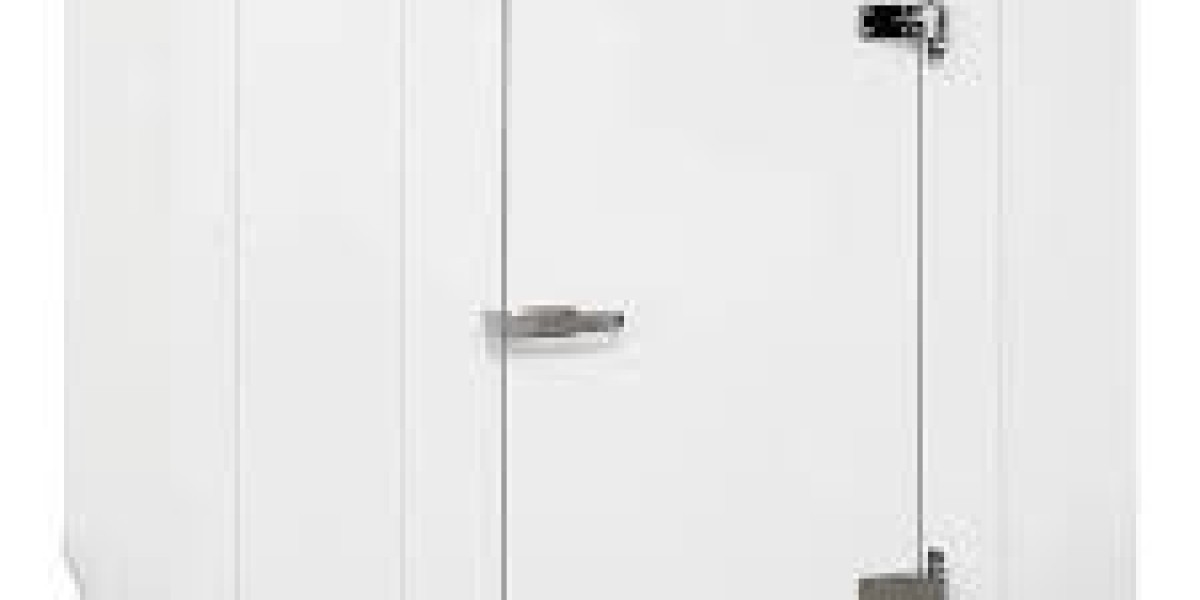


Efficient cold storage is essential for businesses that handle temperature-sensitive products. Whether you're preserving fresh produce, dairy products, pharmaceuticals, seafood, frozen foods, or floral inventory, walk-in cold rooms provide a reliable and scalable refrigeration solution that helps maintain product quality while improving operational efficiency.
Unlike standard refrigerators or freezers, walk-in cold rooms are designed to accommodate larger storage volumes and can be customized to meet the specific needs of different industries. From restaurants and supermarkets to food processing plants and healthcare facilities, these cold storage systems play a critical role in protecting inventory and ensuring compliance with storage regulations.
This guide explores the design, installation process, key components, and commercial applications of walk-in cold rooms, helping you understand what to look for before making an investment.
What Are Walk-In Cold Rooms?
Walk-in cold rooms are insulated storage rooms equipped with commercial refrigeration systems that maintain controlled temperatures for various products.
Depending on the intended application, a cold room may function as:
A refrigerated storage room
A frozen storage room
A dual-temperature cold room
A customized cold storage facility
Their modular construction allows businesses to create cold rooms in different sizes and configurations based on available space and operational requirements.
Why Businesses Invest in Walk-In Cold Rooms
Businesses handling perishable products need dependable refrigeration that can support daily operations while minimizing waste.
Walk-in cold rooms offer several important advantages.
Large Storage Capacity
Cold rooms provide significantly more storage than conventional refrigeration equipment, making them ideal for growing businesses.
Better Product Organization
Employees can organize inventory efficiently using shelving systems, pallet storage, or customized layouts.
Improved Product Quality
Stable temperatures help preserve freshness, extend shelf life, and reduce spoilage.
Operational Efficiency
Centralized cold storage improves workflow and simplifies inventory management.
Long-Term Cost Savings
Replacing multiple refrigeration units with one properly designed cold room often reduces electricity consumption and maintenance costs.
Major Components of a Walk-In Cold Room
Understanding the key components helps businesses choose a system that delivers reliable long-term performance.
Insulated Panels
Insulated panels form the walls, ceiling, and sometimes the floor of the cold room.
Quality panels typically include:
High-density polyurethane insulation
Durable galvanized steel
Stainless steel finishes
Moisture-resistant construction
Cam-lock assembly systems
Premium insulation helps maintain consistent temperatures while improving energy efficiency.
Refrigeration System
The refrigeration system is responsible for maintaining the desired storage temperature.
Businesses typically choose between:
Self-Contained Systems
Benefits include:
Easy installation
Lower upfront investment
Compact design
Simplified maintenance
Suitable for smaller commercial cold rooms.
Remote Refrigeration Systems
Advantages include:
Better cooling efficiency
Reduced indoor heat
Quieter operation
Greater refrigeration capacity
Often selected for larger facilities with higher cooling demands.
Cold Room Doors
Commercial cold room doors are built to minimize temperature loss.
Important features include:
Heavy-duty insulated construction
Magnetic door gaskets
Automatic closers
Safety release handles
Durable hinges
Proper door sealing helps reduce energy consumption.
Temperature Controls
Modern cold rooms often include digital monitoring systems that allow operators to:
Monitor temperatures
Adjust settings
Receive alerts
Track refrigeration performance
Digital controls improve both food safety and operational reliability.
Types of Walk-In Cold Rooms
Different industries require different types of cold storage.
Chilled Cold Rooms
Designed for products requiring refrigerated temperatures above freezing.
Common applications include:
Fresh produce
Dairy
Beverages
Bakery ingredients
Prepared meals
Frozen Cold Rooms
Maintain temperatures below freezing for long-term product preservation.
Suitable for:
Frozen meat
Seafood
Ice cream
Frozen vegetables
Frozen desserts
Combination Cold Rooms
Some businesses require both chilled and frozen storage.
Combination systems provide:
Better space utilization
Separate temperature zones
Improved workflow
Lower construction costs
Designing a Walk-In Cold Room
Proper design improves both efficiency and productivity.
Determine Storage Capacity
Estimate:
Current inventory
Delivery schedules
Seasonal demand
Future expansion
Choosing the correct capacity helps avoid unnecessary operating costs.
Plan the Interior Layout
Consider:
Shelving systems
Pallet storage
Employee movement
Product rotation
Air circulation
A well-planned layout improves workflow while maintaining cooling performance.
Select the Right Insulation
Premium insulation reduces heat transfer and lowers electricity consumption.
Choosing quality insulated panels improves long-term operating efficiency.
Choose Appropriate Refrigeration Equipment
Cooling capacity should match:
Cold room size
Ambient temperature
Product volume
Frequency of door openings
Proper equipment sizing ensures reliable temperature control.
Installation Process
Professional installation is recommended for all commercial cold rooms.
Typical installation includes:
Site Assessment
Technicians evaluate:
Available floor space
Electrical requirements
Ceiling height
Ventilation
Foundation conditions
Foundation Preparation
A stable, level base is prepared before panel assembly begins.
Panel Installation
Insulated panels are securely connected to create an airtight enclosure.
Refrigeration Installation
The cooling equipment is installed, connected, and calibrated.
Final Testing
Technicians verify:
Temperature stability
Refrigeration performance
Door sealing
Air circulation
Only after successful testing is the cold room ready for operation.
Industry Applications
Walk-in cold rooms serve a wide range of industries.
Common applications include:
Restaurants
Store fresh ingredients, dairy products, beverages, and prepared meals.
Supermarkets
Maintain chilled and frozen inventory efficiently.
Hotels
Support banquet kitchens, restaurants, and room service operations.
Food Processing Plants
Maintain controlled temperatures during production and storage.
Pharmaceutical Industry
Store temperature-sensitive medicines and medical products.
Floral Industry
Preserve flowers and plants under carefully controlled conditions.
Beverage Industry
Store bottled drinks, juices, and other chilled products.
Energy Efficiency Tips
Cold rooms operate continuously, making energy efficiency essential.
Businesses can reduce operating costs by:
Choosing premium insulation
Installing LED lighting
Keeping doors closed
Replacing worn door seals
Cleaning condenser coils
Organizing products for proper airflow
Scheduling preventive maintenance
These practices help reduce electricity consumption while extending equipment life.
Common Mistakes to Avoid
Avoid these common purchasing and installation mistakes.
Choosing the Wrong Size
An undersized cold room quickly becomes overcrowded, while an oversized unit increases operating costs.
Ignoring Future Expansion
Select a design that accommodates future business growth.
Buying Based Only on Price
Lower-cost systems may compromise insulation quality or refrigeration efficiency.
Poor Layout Planning
Inefficient layouts reduce productivity and restrict airflow.
Delaying Maintenance
Routine servicing helps prevent expensive equipment failures.
Maintenance Best Practices
Routine maintenance ensures reliable long-term operation.
Recommended maintenance includes:
Cleaning condenser coils
Inspecting door gaskets
Monitoring temperatures daily
Cleaning evaporator fans
Maintaining clear airflow
Scheduling annual professional servicing
Preventive maintenance reduces downtime and repair costs.
Frequently Asked Questions
What is the difference between a walk-in cooler and a cold room?
A walk-in cooler is a type of cold room designed specifically for refrigerated storage. The term "cold room" is broader and includes both refrigerated and frozen storage applications.
Can walk-in cold rooms be customized?
Yes. Businesses can customize dimensions, refrigeration systems, shelving, flooring, and door configurations based on operational requirements.
How long do commercial cold rooms last?
With proper installation and maintenance, most walk-in cold rooms provide 15–20 years or more of reliable service.
Which industries use cold rooms?
Restaurants, hotels, supermarkets, pharmaceutical companies, food processors, floral businesses, and beverage distributors commonly use commercial cold rooms.
Is professional installation necessary?
Yes. Professional installation helps ensure reliable refrigeration performance, energy efficiency, and long-term durability.
Conclusion
Investing in walk-in cold rooms is a practical solution for businesses that require dependable, high-capacity refrigerated or frozen storage. From thoughtful design and proper installation to selecting quality insulation and efficient refrigeration systems, every decision contributes to the long-term performance of your cold room. A well-planned system helps protect valuable inventory, reduce operating costs, improve workflow, and support business growth.
Whether you're building a new cold storage facility or upgrading your existing refrigeration system, The Horeca Store offers a comprehensive range of commercial walk-in cold rooms, walk-in coolers, and walk-in freezers tailored to the needs of restaurants, hotels, supermarkets, food processing facilities, pharmaceutical businesses, floral shops, and more. Our customizable refrigeration solutions are engineered for durability, energy efficiency, and reliable performance, helping businesses create cold storage systems they can depend on for years to come.









