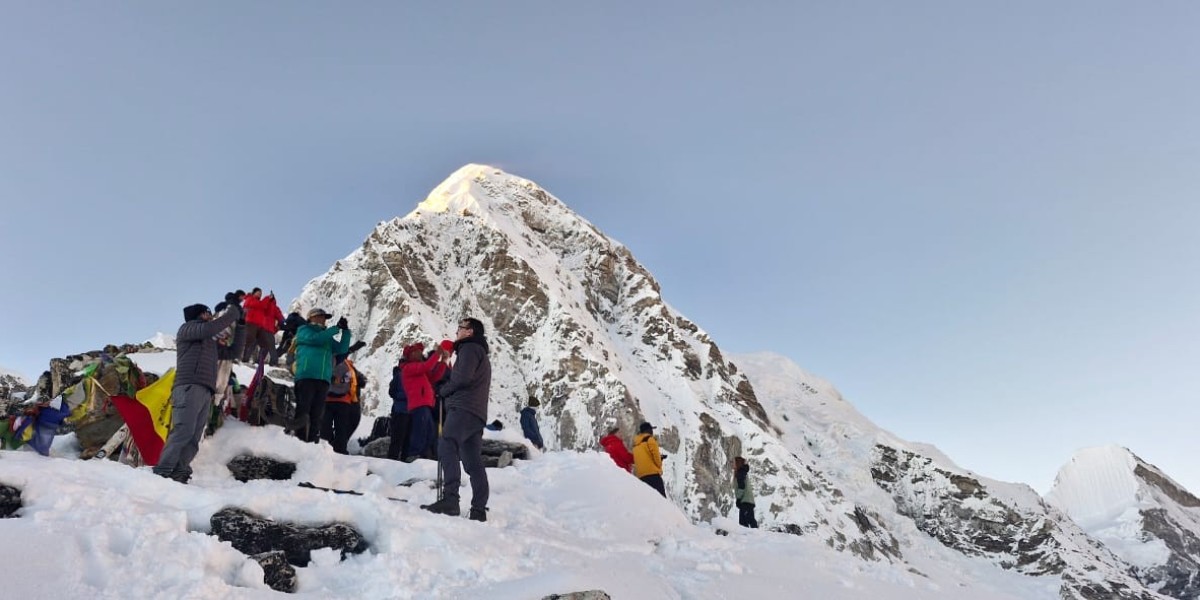


The Everest Base Camp Trek is famous for its magnificent views over the Himalayan peaks, but the mountain range itself is equally impressive. The trek through lush forests, alpine meadows, and glacial valleys offers wonderful wildlife and natural beauty views. It is a unique adventure through one of Nepal’s most excellent mountain wilderness regions. It is possible to witness the astonishing variety of flora and fauna while exploring the Everest region’s remote and isolated landscapes.
Sagarmatha National Park
The majority of the Everest Base Camp Trek routes are covered within the Sagarmatha National Park. The park is a conservation area established to protect the local mountain ecosystem and one of the world’s prime biodiversity hotspots. The Sagarmatha National Park comprises forests, glaciers, rivers, and rocky mountainous biospheres around Mount Everest. This area boasts an astonishing variety of wildlife and is home to thousands of plant species. It is one of the last remaining wildernesses in the region, so trekking to the Everest Base Camp provides a spectacular insight into the Everest region’s isolated and traditional forms of untouched natural beauty.
Wildlife on the Trail
Wildlife spotters have an excellent chance to see some incredible creatures during their trek to Everest Base Camp. Although the animals there are quite elusive, patient trekkers might be rewarded with a glimpse of the Himalayan tahr. This unique species of wild sheep can be spotted grazing on rocky slopes along the trail. In addition, trekkers might also see musk deer, which are often found wandering in the forest. Colorful Himalayan monals, the national bird of Nepal, may also be seen scratching the leaves of rhododendron bushes. Snow leopards and red pandas are some of the more elusive animals but are occasionally sighted in the lower elevations of the region.
Forests and Alpine Plants
The Everest region hosts a wide range of vegetation, from dense pine and rhododendron forests to alpine scrub. A hiker will see a different landscape in every season. The lower slopes of the Himalayas are characterized by lush forests of pine, fir, birch, and rhododendron. This area is particularly stunning in spring when blossoming rhododendrons burst into bright pink and white flowers. When the forest becomes thinned out, it transitions into alpine shrubs, grasses, and rocks. Further up the trail, there are no vegetation species suitable for the harsh environment; therefore, the landscape changes into a unique alpine desert.
Rivers, Glaciers, and Mountains
The Everest region’s natural beauty is not limited to its forests and animals. Nature lovers will be captivated by the magical views of the Dudh Koshi River and its surrounding environment. The river flows through the valley and is crossed by ancient suspension bridges. Further up the trail, hikers will see the massive and beautiful Khumbu Glacier. This unique natural monument has an amazing view of the landscape of blue ice masses scattered across the rocky ground. High mountains, flowing rivers, and vast glacial valleys are just some of the natural marvels of the Everest region.
Conserving and Protecting the Environment
It is critical to conserve the Everest region’s beauty for future generations of hikers and trekkers. Therefore, it is helpful to follow the Leave No Trace principles and keep the trail clean, use reusable water bottles, stay on the marked trails, and assist in preserving the local wildlife. In addition, it is necessary to be mindful of the local culture and traditions when in the village. By respecting these customs and rules, hikers can ensure that the unmarred splendor of the Everest region will be preserved for years.
Best Time to See Wildlife and Natural Beauty
The best time to witness the Everest Base Camp trek’s natural beauty and wildlife is during the spring and autumn seasons. These seasons offer the most spectacular views of the region’s diverse range of landscapes. Moreover, the weather is mostly quite clear and calm during these seasons, so it is a perfect time to start the trek. During the spring, the forests are adorned in blooming flowers, and the greenery is at its peak, attracting various bird species. Additionally, the skies are clear on most days in autumn, so the views of the snow-capped peaks are nothing short of breathtaking. However, each season has beautiful days full of wonder and adventure.
Conclusion
The Everest Base Camp Trek provides a one-of-a-kind wilderness experience in one of the Himalayas’ most remote and isolated places. The trail takes hikers through one of the world’s most significant biodiversity areas, home to thousands of species of flora and fauna. It is possible to have a spectacular view of the alpine forests, glaciers, and high mountains while exploring Sagarmatha National Park. Moreover, the wildlife and untouched beauty of the Everest region provide a most remarkable experience to the trekkers. Thus, the Everest Base Camp Trek is a fantastic opportunity to explore the wilderness of the Himalayas.








