

What Are Probiotics? A Complete Beginner's Guide
Introduction
In recent years, probiotics have become one of the most talked-about topics in health and nutrition. From dietary supplements to fermented foods, probiotics are now widely recognized for their ability to support digestive wellness and overall health. However, many people still ask a simple question: What are probiotics?
This beginner-friendly guide explains everything you need to know about probiotics, including how they work, their health benefits, different types, food sources, supplements, safety considerations, and how to choose the right probiotic for your needs.
What Are Probiotics?
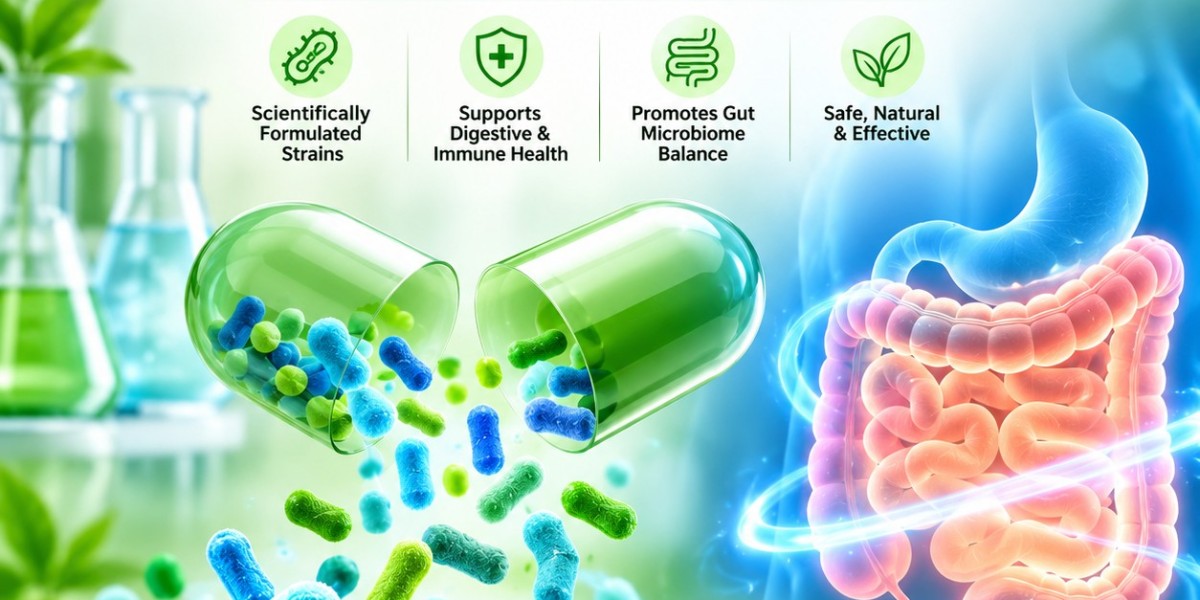
Probiotics are live microorganisms, mainly beneficial bacteria and certain types of yeast, that provide health benefits when consumed in adequate amounts. These helpful microbes naturally live in your digestive tract, mouth, skin, and other parts of the body.
Your body contains trillions of microorganisms, collectively known as the microbiome. A healthy microbiome contains a balanced mix of beneficial and harmful microbes. When this balance is disturbed due to illness, antibiotics, poor diet, stress, or aging, probiotics can help restore that balance.
The World Health Organization (WHO) defines probiotics as:
How Do Probiotics Work?
Probiotics support your body in several important ways.
1. Restore Gut Balance
The digestive system contains billions of bacteria. When harmful bacteria outnumber beneficial bacteria, digestive problems may occur. Probiotics help restore a healthy microbial balance.
2. Improve Digestion
Many probiotics help break down food, making nutrients easier for the body to absorb.
3. Support the Immune System
Nearly 70% of the immune system is connected to the gut. Healthy gut bacteria play a vital role in supporting immune responses.
4. Prevent Harmful Bacteria
Good bacteria compete with harmful bacteria for nutrients and space, reducing the growth of disease-causing microorganisms.
5. Produce Beneficial Compounds
Some probiotic strains produce vitamins, enzymes, and short-chain fatty acids that help maintain intestinal health.
Understanding the Human Gut Microbiome
Your digestive system is home to over 100 trillion microorganisms.
These include:
- Beneficial bacteria
- Neutral bacteria
- Harmful bacteria
- Yeasts
- Viruses
When beneficial bacteria dominate, digestion and immunity generally function more efficiently.
Factors that may disrupt gut balance include:
- Antibiotics
- Processed foods
- High sugar intake
- Lack of fiber
- Stress
- Poor sleep
- Infections
- Aging
Probiotics help replenish beneficial microbes after such disruptions.
Common Types of Probiotics
Different probiotic strains offer different health benefits.
Lactobacillus
One of the most common probiotic groups.
Benefits include:
- Improved digestion
- Lactose digestion support
- Reduction of diarrhea
- Better gut health
Found in yogurt and fermented dairy products.
Bifidobacterium
Commonly found in the large intestine.
Benefits include:
- Supports digestion
- Promotes immune health
- Helps reduce bloating
- Supports bowel regularity
Bacillus Coagulans
A spore-forming probiotic known for its stability.
Benefits:
- Survives stomach acid
- Supports digestive comfort
- May reduce gas and bloating
- Shelf-stable
Bacillus Subtilis
Another spore-forming probiotic.
Benefits:
- Supports intestinal health
- Produces digestive enzymes
- Highly stable during storage
Saccharomyces boulardii
A beneficial yeast rather than a bacterium.
Benefits:
- Helps prevent antibiotic-associated diarrhea
- Supports gut recovery
- May reduce traveler's diarrhea
Health Benefits of Probiotics
Research continues to discover new ways probiotics support human health.
Better Digestive Health
Probiotics may help:
- Diarrhea
- Constipation
- Irritable bowel syndrome (IBS)
- Gas
- Bloating
Improved Immune Function
Healthy gut bacteria help train immune cells and strengthen the body's natural defenses.
Better Nutrient Absorption
Certain probiotics improve absorption of:
- Calcium
- Magnesium
- Iron
- Vitamin B12
Gut Barrier Protection
A healthy gut lining prevents harmful substances from entering the bloodstream.
Probiotics help strengthen this protective barrier.
Women's Health
Certain strains may support:
- Vaginal health
- Urinary tract health
- Healthy microbial balance
Children's Health
Some probiotics may help:
- Reduce diarrhea
- Support digestion
- Strengthen immunity
Always consult a pediatrician before giving probiotic supplements to children.
Natural Food Sources of Probiotics
Many foods naturally contain beneficial bacteria.
Yogurt
One of the richest probiotic foods.
Choose varieties containing live and active cultures.
Kefir
A fermented milk drink containing multiple probiotic strains.
Kimchi
Traditional Korean fermented vegetables.
Rich in probiotics and antioxidants.
Sauerkraut
Fermented cabbage with beneficial bacteria and fiber.
Miso
Japanese fermented soybean paste.
Often used in soups.
Tempeh
Fermented soybeans rich in protein and probiotics.
Kombucha
Fermented tea containing beneficial microorganisms.
Prebiotics vs Probiotics
Many people confuse these two terms.
Probiotics
Live beneficial bacteria.
Prebiotics
Special dietary fibers that feed beneficial bacteria.
Examples of prebiotic foods:
- Garlic
- Onion
- Banana
- Oats
- Chicory root
- Asparagus
Combining prebiotics and probiotics supports a healthier gut ecosystem.
Probiotic Supplements
Supplements are available in forms such as:
- Capsules
- Tablets
- Powders
- Sachets
- Gummies
- Liquid formulations
Quality supplements should clearly mention:
- Strain names
- CFU count (Colony Forming Units)
- Expiry date
- Storage instructions
What Is CFU?
CFU stands for Colony Forming Units.
It indicates the number of live microorganisms in a probiotic product.
Common products range from:
- 1 billion CFU
- 5 billion CFU
- 10 billion CFU
- 25 billion CFU
- 50 billion CFU
Higher CFU does not always mean a better product. The appropriate amount depends on the specific strain and intended use.
Who Can Benefit from Probiotics?
Many individuals may benefit from probiotics, including:
- Adults
- Seniors
- Travelers
- People recovering from antibiotics
- Individuals with occasional digestive discomfort
- Athletes
- Health-conscious individuals
People with weakened immune systems or serious medical conditions should consult a healthcare professional before using probiotic supplements.
Are Probiotics Safe?
For most healthy individuals, probiotics are generally considered safe.
Some people may experience mild temporary effects during the first few days, such as:
- Gas
- Mild bloating
- Digestive adjustment
These symptoms often improve as the body adapts.
How to Choose the Right Probiotic
When selecting a probiotic, consider:
- Clearly identified strains
- Scientific research supporting the strains
- Appropriate CFU count
- Third-party quality testing
- Stable packaging
- Reliable manufacturing standards
- Good storage conditions
Common Myths About Probiotics
Myth 1: All probiotics are the same.
False. Different strains perform different functions.
Myth 2: More bacteria always means better.
Not necessarily. The right strain is often more important than the highest CFU.
Myth 3: Everyone needs the same probiotic.
False. Individual health needs vary.
Myth 4: Probiotics work overnight.
Gut health improvements may take several weeks of consistent use.
requently Asked Questions (FAQs)
What are probiotics?
Probiotics are live beneficial microorganisms that support gut health, digestion, and immune function when consumed in adequate amounts.
Can I get probiotics naturally?
Yes. Foods like yogurt, kefir, kimchi, sauerkraut, tempeh, and miso naturally contain probiotics.
Are probiotics safe for daily use?
Most healthy adults can consume probiotics daily, but people with certain medical conditions should seek medical advice first.
What is the difference between probiotics and prebiotics?
Probiotics are beneficial microorganisms, while prebiotics are fibers that nourish those microorganisms.
How long does it take probiotics to work?
Some people notice digestive improvements within a few days, while others may need several weeks depending on the strain and individual health status.
Conclusion
Probiotics are beneficial microorganisms that play an important role in maintaining digestive balance, supporting immunity, and promoting overall wellness. Whether obtained through fermented foods or high-quality supplements, probiotics can be a valuable part of a healthy lifestyle when used appropriately.
Understanding the different probiotic strains, their functions, and how they interact with the gut microbiome empowers you to make informed decisions about your health. By combining probiotics with a balanced diet rich in fiber and prebiotic foods, you can support a healthier digestive system and long-term well-being.








