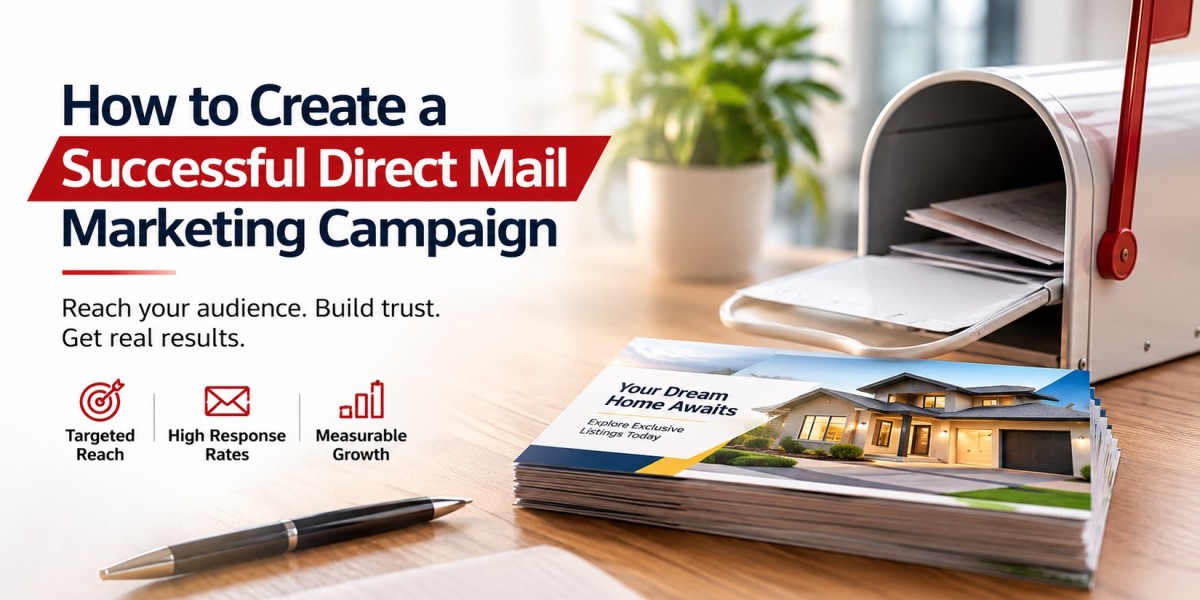


Many business owners feel the exhaustion of the digital landscape where inbox clutter and ad-blockers make reaching customers nearly impossible. We see entrepreneurs spend thousands of dollars on digital ads that users scroll past in milliseconds without a second thought. This disconnect often leads to wasted budgets and stagnant growth, leaving owners searching for a more tangible way to connect with their local community. Direct Mail Marketing offers a refreshing alternative by placing a physical piece of your brand directly into the hands of your ideal prospects.
We understand that a successful campaign requires more than just printing a few postcards and hoping for the best. Real results come from a blend of data-driven targeting, psychological triggers in design, and a clear path to conversion. Over the years, we have helped businesses navigate these complexities to turn physical mail into a predictable revenue driver. In this guide, we share the practical steps and insider insights necessary to launch a campaign that actually moves the needle for your business.
Defining Your Target Audience with Precision
We often tell our clients that the list determines 60% of the campaign's success. Sending a high-quality offer to the wrong household results in immediate recycling, which wastes your valuable marketing dollars. We recommend starting with a deep dive into your current customer data to identify common traits like geographic location, household income, or homeownership status. By understanding who already buys from you, we can help you find "lookalike" audiences who likely need your services as well.
Modern mailing technology allows us to get incredibly granular with who receives your message. You can choose to target specific neighborhoods using Every Door Direct Mail (EDDM) if your business relies on local foot traffic, or use targeted mailing lists for niche services. For example, a pool cleaning company benefits more from targeting homes with existing pools rather than a general zip code. We believe that narrow targeting always beats a broad, generic reach when you want to maximize your return on investment.
Understanding Demographic vs. Psychographic Data
Demographic data tells us who your customers are, covering basics like age, gender, and marital status. While these metrics provide a solid foundation, psychographic data explains why they buy by looking at their interests, values, and lifestyle choices. We find that combining these two data sets creates a powerful profile that ensures your mail reaches the most receptive ears possible.
Cleaning Your Mailing Lists
Nothing hurts a budget faster than paying for postage on undeliverable mail or duplicate entries. We suggest performing a regular "scrub" of your mailing lists to remove outdated addresses or people who have moved away. Utilizing the National Change of Address (NCOA) database ensures your message reaches the intended recipient at their current residence. This simple step preserves your reputation and ensures every penny of your budget works toward a conversion.
Crafting an Irresistible Offer and Call to Action
The most beautiful postcard in the world will fail if the recipient does not know what to do next. We see many businesses make the mistake of trying to explain their entire company history on a single 6x9 card. Instead, we encourage you to focus on one specific problem and offer one clear solution. Your offer needs to feel valuable enough that the recipient feels a slight "fear of missing out" if they toss it aside.
Your Call to Action (CTA) acts as the bridge between the physical mail piece and the eventual sale. We recommend using bold, high-contrast fonts for your CTA so the reader's eye naturally gravitates toward it within seconds. Whether you want them to call a dedicated phone line, visit a landing page, or bring the card into a physical store, make the instructions foolproof. A confused mind always says "no," so we strive for absolute clarity in every campaign we help execute.
The Power of Scarcity and Urgency
Humans naturally prioritize tasks that have a looming deadline or a limited supply. We suggest including an expiration date or a "first 50 customers" limit to encourage immediate action from your prospects. When people feel they have all the time in the world to redeem an offer, they often set the mail on a counter where it stays forgotten. Adding a sense of urgency transforms a passive reader into an active customer.
Using USPS Informed Delivery to Boost Visibility
We constantly look for ways to give our clients an edge in the mailbox, and digital integration is a game-changer. By leveraging Informed Delivery integration, we allow customers to see a digital preview of their mail before it even arrives. This creates a double-touchpoint strategy where the recipient sees your brand in their email inbox and then again in their physical mailbox. This increased frequency significantly improves brand recall and response rates.
Design Principles That Drive Results
Visual hierarchy plays a massive role in how a person processes your marketing material. We advise against cluttering your design with too many images or competing blocks of text that overwhelm the senses. Use high-quality imagery that reflects the lifestyle your customer desires or the problem you intend to solve. A professional photo of a finished home renovation speaks much louder to a homeowner than a stock photo of a generic person smiling.
We also focus heavily on the "F-pattern" of reading, where the human eye moves across the top and then down the left side of a page. Placing your logo and your primary headline in these high-traffic areas ensures your brand identity sticks. Remember that the tactile feel of the paper also communicates your brand's quality. We find that heavier cardstocks and unique finishes like "soft touch" or "spot UV" make a piece feel premium and worth keeping.
Tracking Metrics and Measuring Success
You cannot improve what you do not measure, and direct mail is surprisingly trackable when you use the right tools. We encourage business owners to move away from the "gut feeling" method of evaluating a campaign's success. By assigning unique coupon codes or dedicated phone numbers to a specific mailing, we can pinpoint exactly how many leads generated from that one drop. This data allows us to refine future mailings and double down on the strategies that work.
Another highly effective method involves using custom QR codes that lead to specific landing pages. These pages should mirror the messaging on the postcard to provide a seamless user experience. We can track how many people scanned the code, how long they stayed on the page, and whether they completed a contact form. This level of insight turns direct mail into a high-tech marketing channel that provides clear, actionable data for your business growth.
Conclusion
Building a successful direct mail campaign requires a thoughtful balance of data, design, and strategic follow-through. We have seen firsthand how a well-executed mailer can revitalize a local business and build lasting connections with a community that digital ads simply cannot replicate. By focusing on your audience's needs and providing a clear, urgent solution, you create a marketing asset that delivers tangible results month after month.
The physical nature of mail gives your brand a permanent place in the home, providing multiple opportunities for engagement. When you treat your direct mail as a precise science rather than a game of chance, the return on investment becomes clear. If you feel ready to take your outreach to the next level with a partner who understands the nuances of the industry, MailProsUSA stands ready to help you navigate every step of the process. Let us help you turn your next mailing into your most successful marketing effort yet.








