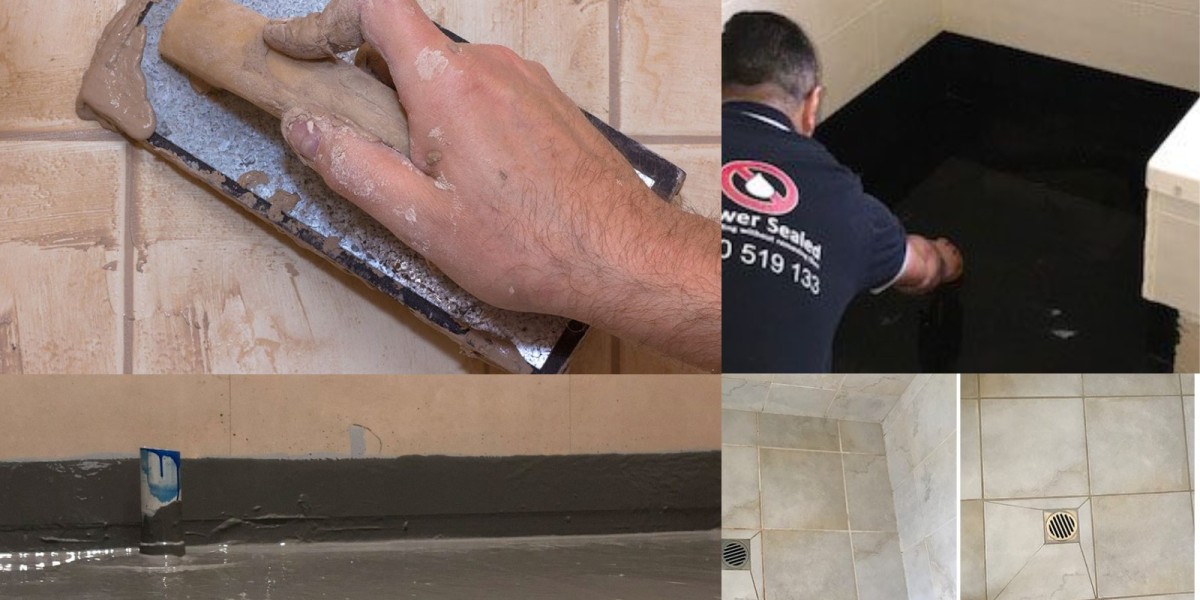


A property manager leaves a voicemail about a minor leakage, and suddenly, you are looking at a structural repair bill that can wipe out a year's rental yield. In the Australian property sector, a leaking shower is rarely an isolated problem, and in fact, it is usually the first domino. Catching moisture problems before they breach the structural membrane is what separates profitable landlords from those facing insurance shortfalls. Professional shower regrouting is considered the frontline defence, but most property owners wait until they see structural damage before they act.
Shower regrouting is one job that rarely gets attention until visible damage appears. For Australian investment property owners, this can be a very expensive habit because grout doesn't usually fail overnight. It deteriorates gradually and allows moisture to work its way behind tiles long before obvious leaks develop.
Recognising these early warning signs can help avoid unnecessary repairs, reduce vacancy periods and preserve the value of your property.
Hairline Cracks That Keep Returning
Any cracks around wall joints or between floor tiles are very easy to dismiss, but the real problem is when they appear shortly after being patched. Repeated movement often indicates that the grout has reached the end of its life and is no longer capable of sustaining isolated damage. This means simply filling visible cracks will not address moisture that has already travelled beneath the tiled surface.
Persistent Musty Odours
Bathrooms should dry relatively quickly with reasonable ventilation, but if you experience a persistent damp smell despite routine cleaning, it means moisture is trapped somewhere behind the tile's surface. Grout can become porous over time, and the tiny holes allow water to escape behind the tiles and remain trapped there as airflow cannot reach. This remains unnoticed before mould becomes visible.
Dark Colour Grout That Never Looks Clean
Discoloured grout isn't a cleaning problem. It's a visible sign that the grout has failed, and now it's time to go for shower regrouting services. When grout permanently appears darker in isolated sections, it means it is retaining moisture. A professional inspection is needed and must combine visual assessment with thermal imaging to identify cooler, moisture-affected areas that are often not visible to the naked eye.
Thermal imaging, however, doesn't diagnose every leak, and it can only provide valuable supporting data for further invasive search.
Loose Or Hollow Sounding Tiles
Tiles never fall off immediately, and in fact, they start sounding hollow when tapped lightly. This hollow sound indicates that the adhesive behind the tiles has separated due to prolonged exposure to moisture. In this situation, shower regrouting services will be very useful and replacing individual tiles without addressing deteriorated grout will lead to delays and problems emerging back really soon.
Quick Checklist: Hidden Warning Signs
If your investment property shows two or more of these signs, a professional assessment is usually worthwhile.
● Cracked or missing grout
● Persistent damp odours
● Loose or drummy tiles
● Peeling paint outside the shower
● Recurring mould in the same location
● Water marks on adjoining walls
● Silicone is separating from the corners
● Rising maintenance complaints from tenants
Silicon Keeps Pulling Away
Corners and wall junctions rely on flexible ceilings rather than grout, but the deteriorating grout allows additional moisture movement, and this places extra stress on the silicone joints. This when continues for a long time becomes a cause of water intrusion. Replacing silicon is recommended as the best step, but the fact is that it only buys some time.
Efflorescence Appears On Grout Lines
White powdery deposits aren't simply cosmetic, and they emerge when dissolved salt travels with moisture through cement-based materials before drying on the surface. It is called efflorescence, and it is a clear indication that water is moving where it should not.
Bubbling Paint Outside The Bathroom
Some landlords focus only on the shower and ignore the bubbling paint or swollen skirting boarding outside the bathroom. These indicators also suggest that moisture has already travelled beyond the wet area. Guidelines published by the Australian State Building Authority say that prolonged moisture intrusion can contribute to the deterioration of surrounding building materials if left untreated for too long.
Recurring Mould Despite Regular Cleaning
Cleaning products remove mould successfully, but they don't remove moisture. If mould repeatedly returns to exactly the same locations, particularly around grout joints, it indicates there is ongoing water retention beneath the tiled surface. This matters a lot because treating symptoms alone rarely prevents future growth.
Higher Water Bills With No Visible Leak
For houses, a 10–15% jump quarter-on-quarter without a metered leak often traces back to showers. Water escaping through failed grout won't show on the meter if it evaporates into the wall cavity, but it does show on humidity readings. Property managers in QLD are now using $200 moisture meters during routine inspections for this reason.
Property Condition Reports Show Progressive Change
Routine inspection reports provide valuable history, like a small grout crack photographed eighteen months ago may appear insignificant. But when viewed alongside successive reports that approve expanding staining, recurring mould and deteriorating sealants, a much clearer maintenance pattern often emerges. This is where proactive landlords usually save money.
Tenants Mention Longer Drying Times
Tenant observations should never be dismissed as minor complaints. Comments such as:
● "The bathroom always feels damp."
● "The floor never fully dries."
● "The shower smells musty after weekends away."
Clearly indicate underlying moisture retention rather than cleaning habits.
A practical decision point involves arranging an inspection if:
● The property is more than 10 years old
● Multiple warning signs appear together
● The bathroom has experienced previous leak repairs
● Tenants have reported recurring moisture concerns
● Property inspection reports show gradual deterioration
A timely assessment is often less disruptive than waiting until structural repairs become necessary.
Australian industry organisations such as the Housing Industry Association (HIA), along with State Fair Trading Agencies, consistently emphasise the importance of maintaining wet areas to minimise preventable building defects and avoid more extensive remedial work.
FREQUENTLY ASKED QUESTIONS
How Often Should An Investment Property Get Shower Regrouting?
Depends on use and product. Cement grout in a rental with daily showers typically needs shower regrouting every 6–10 years. Epoxy systems like Ultrabond grout can push 15+ years if the original install meets AS-3740.
Can I Claim Shower Regrouting Services On Tax?
If it's maintenance to restore the property to its original condition, it's generally an immediate deduction. If it's an improvement or part of a larger reno, it may be capital. Check with your accountant and the ATO rental property guide.
Will Regrouting Stop My Shower Leak?
If the shower leaking is only through failed grout and the membrane is intact, yes. If thermal imaging shows moisture in the wall cavity or the bed, regrouting won't solve it. You need a builder to assess.
What's The Difference Between Regrouting And Resealing?
Regrouting is raking out and replacing the joints between tiles. Resealing usually means replacing the silicone at junctions. Most shower regrouting services do both, because they fail together.
How Long Does Shower Regrouting Take?
One day on site for a standard shower, plus 24–48 hours cure time before use. Epoxy takes longer to set. Tenants can usually stay, but they'll lose shower access for two nights.
Is Ultrabond Grout Worth It For Rentals?
For high-turnover or coastal properties, "yes". It costs 30–40% more, but resists mould and doesn't need sealing. In my jobs, call-backs drop to near zero. For a low-use granny flat, standard cement is fine.
Can Tenants Be Charged For Grout Damage?
Only if it's proven negligence, not wear and tear. VCAT and QCAT generally side with tenants unless the landlord did routine maintenance. Document your shower regrouting and inspections.
Do I Need Council Approval For Regrouting?
No. It's maintenance. You need approval if you alter shower waterproofing, move plumbing, or change the shower footprint. Check your state's fair trading site if unsure.
Conclusion
Catching grout failure early is about knowing what to look for, not waiting for a ceiling stain downstairs. The signs above are present before major damage occurs. If two or more show up, you should get a moisture test done. A half-hour check can save a five-figure repair and keep you compliant with rental standards. If you're unsure, have a local tech run a thermal scan and quote. It's cheaper than learning the hard way.
If you manage properties or own a rental property, schedule wet-area checks during routine inspections. It's one of the few maintenance items where $800 now prevents $10,000 later.






