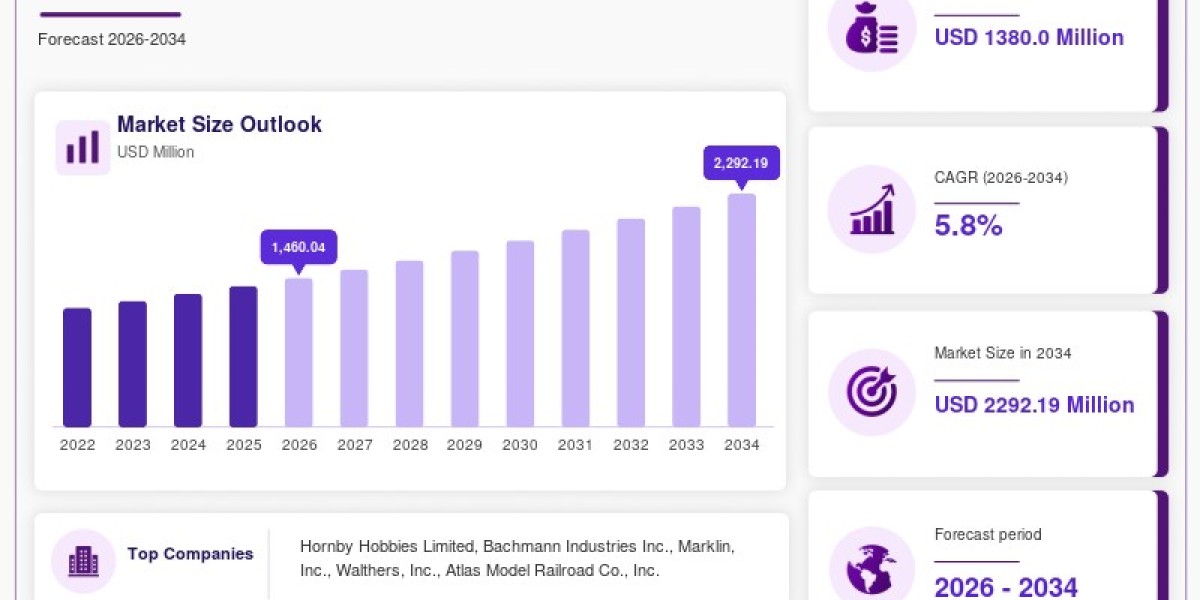


A detailed project report (DPR) is a comprehensive planning document that evaluates whether a proposed business project is technically feasible, financially profitable, and commercially sustainable. It plays an important role in helping banks, financial institutions, investors, and government agencies assess the viability of a business before providing financial assistance. A business project report serves a similar purpose by presenting complete business planning, financial projections, operational strategies, and implementation details in a structured format. Whether establishing a new MSME, expanding an existing enterprise, or applying for project finance, preparing a detailed report helps entrepreneurs reduce business risks, improve financial planning, and make informed investment decisions based on reliable data.
What Is a Detailed Project Report (DPR)?
A detailed project report is a formal document prepared after conducting detailed business planning and feasibility analysis. It explains the purpose of the project, expected market demand, production capacity, investment requirements, operational process, and financial performance over a specified period. Financial institutions carefully evaluate this report before approving loans because it demonstrates whether the proposed business can generate sufficient income to cover expenses and repay borrowed funds.
A DPR is useful across industries, including manufacturing, food processing, agriculture, healthcare, education, logistics, construction, hospitality, and professional services. It helps business owners organize their ideas into measurable objectives while providing lenders with a complete understanding of project feasibility. A professionally prepared report reduces uncertainty and supports transparent financial evaluation.
What Is Included in a Detailed Project Report?
A comprehensive DPR contains multiple sections that collectively explain every important aspect of the proposed business. These sections should provide consistent financial information while presenting practical implementation strategies supported by market research and operational planning. Accurate documentation increases credibility during project appraisal and funding discussions.
The report generally contains the following information:
Executive summary
Business background and promoter profile
Industry overview and market demand analysis
Product or service details
Production process or operational workflow
Plant, machinery, and infrastructure requirements
Raw materials and supplier analysis
Capital investment estimation
Working capital assessment
Revenue projections
Profit and loss statement
Cash flow forecast
Balance sheet projections
Break-even analysis
Financial ratios and loan repayment schedule
Risk analysis and statutory compliance
Each section should present factual information supported by realistic business assumptions rather than optimistic estimates.
How Do You Write a Detailed Project Report?
Preparing a DPR begins by defining the business objective and identifying the market opportunity. Entrepreneurs should collect information about customer demand, competitor activities, pricing, industry trends, and regulatory requirements before estimating financial performance. Reliable market research provides the foundation for realistic sales projections and investment planning.
The next stage involves calculating project costs, estimating working capital, identifying funding sources, and preparing projected financial statements. Revenue forecasts should be based on production capacity, pricing strategy, and expected customer demand. The report should also explain implementation timelines, staffing requirements, procurement plans, and operational expenses. Reviewing calculations and verifying supporting documents before submission helps improve report accuracy and lender confidence.
How Do You Prepare a Business Project Report?
A business project report should combine operational planning with financial feasibility analysis. Entrepreneurs should clearly explain how the business will function, how products or services will reach customers, and how revenue will be generated consistently over time. The report should also identify the competitive advantages that distinguish the business from existing market participants.
Financial planning should include investment requirements, operating expenses, projected sales, taxation, depreciation, working capital needs, and profitability analysis. Risk factors such as changes in market demand, raw material costs, labor availability, and regulatory compliance should also be addressed with practical mitigation strategies. A balanced report supported by realistic assumptions strengthens funding applications and supports better business management.
What Should Be Included in a Business Project Report?
A business project report should present sufficient information for banks, investors, and other stakeholders to evaluate the commercial viability of the proposed business. Every financial figure should be supported by calculations, quotations, or market analysis to improve transparency and reliability during project assessment.
Essential sections include:
Business overview
Promoter experience
Industry analysis
Market opportunity
Product or service information
Production capacity
Organizational structure
Marketing strategy
Capital investment
Means of finance
Working capital requirement
Financial projections
Break-even analysis
Profitability assessment
Loan repayment plan
Supporting documentation
Complete and organized documentation simplifies project evaluation while reducing the possibility of delays during financing.
Financial Benefits of a Detailed Project Report
A DPR provides valuable financial insights that extend beyond obtaining a business loan. Entrepreneurs gain a clear understanding of total investment requirements, operating costs, expected profitability, and projected cash flow before committing capital. This structured planning helps avoid unnecessary expenses and supports more efficient allocation of business resources.
Financial institutions also benefit from reviewing a detailed report because it presents measurable financial indicators for evaluating repayment capacity. Ratios such as break-even point, debt service coverage ratio, profit margins, and projected cash flow assist lenders in making informed financing decisions. Businesses that monitor these indicators regularly are better prepared to maintain financial stability and achieve long-term growth.
Best Practices for Preparing High-Quality Project Reports
Successful project reports are based on realistic assumptions, accurate calculations, and complete documentation. Entrepreneurs should avoid copying financial estimates from unrelated businesses because every project has unique operational costs and market conditions. Reliable quotations, current market prices, and verified industry data should always be used when preparing investment estimates.
The report should be written in clear language with logical organization and consistent financial information throughout every section. Supporting documents should be arranged systematically to simplify verification during loan appraisal. Careful planning, regular review, and attention to detail significantly improve the effectiveness of both the detailed project report and the business project report.
Conclusion
A detailed project report (DPR) and a business project report provide the planning framework necessary for successful business establishment, expansion, and financing. These documents evaluate technical feasibility, market potential, operational readiness, financial sustainability, and repayment capacity using structured analysis and realistic projections. Comprehensive reports help entrepreneurs make informed investment decisions, improve loan approval opportunities, reduce financial risks, and manage business performance more effectively. By preparing accurate financial statements, practical implementation plans, and complete supporting documentation, businesses establish a strong foundation for sustainable growth, responsible financial management, and long-term commercial success.