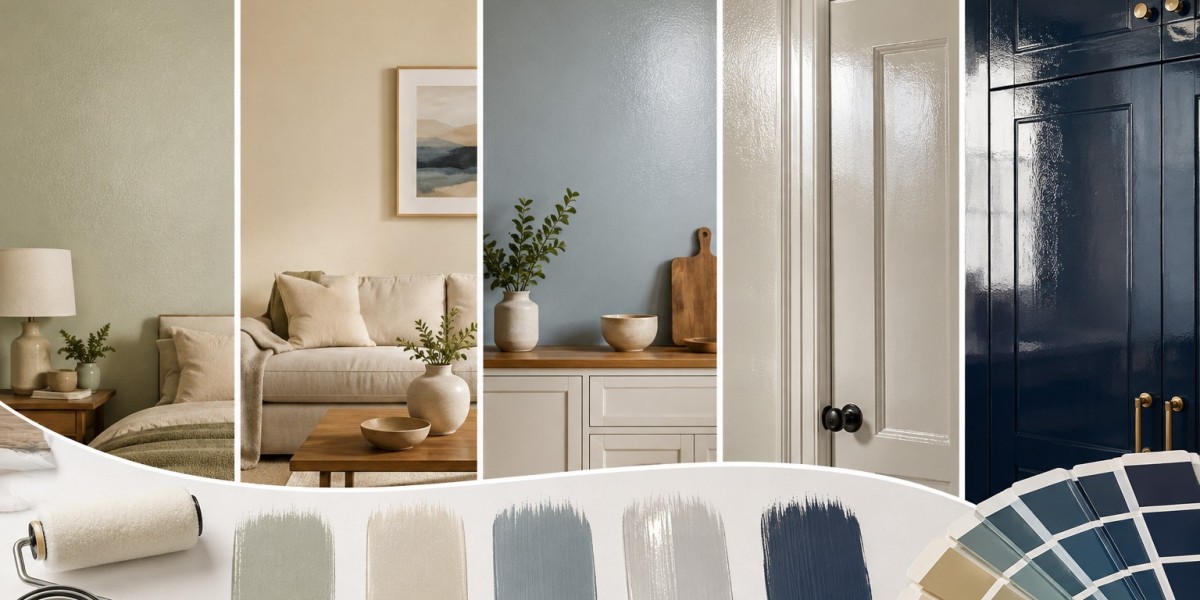


Choosing a new paint color is often the most exciting part of an interior painting project. However, the color is only one part of the decision. The paint you choose can affect how light reflects across the room, how easily the walls can be cleaned, and how well the surface holds up over time.
A finish that looks beautiful in a low-traffic bedroom may not perform well in a busy hallway or a moisture-prone bathroom. Understanding the differences between common paint finishes can help homeowners make choices that balance appearance, durability, and maintenance. Whether you are updating one room or planning a complete home makeover, working with an experienced Painting Company Long Island can also make it easier to select finishes that suit each surface and lifestyle.
From soft, non-reflective finishes to highly polished surfaces, every sheen has its strengths. This guide explains the five most common paint finishes and where they work best.
What Is a Paint Finish?
A paint finish, also called paint sheen, refers to how much light the painted surface reflects. Finishes with less sheen absorb lighter and create a softer appearance. Higher-sheen finishes reflect more light, making the surface appear brighter and more polished.
In general, the amount of shine affects more than appearance:
- Lower-sheen paints are better at hiding small dents, patches, and surface imperfections.
- Higher-sheen paints are usually easier to clean and more resistant to moisture and everyday wear.
- Medium-sheen finishes provide a practical balance between durability and a subtle visual effect.
The right choice depends on the condition of the surface, the amount of activity in the room, exposure to moisture, and how often the walls will need cleaning.
1. Flat Paint: Best for a Smooth, Low-Reflective Look
Flat paint has little to no shine. It creates a soft, even appearance and is especially effective at minimizing the visibility of small wall imperfections. Because it does not reflect much light, flat paint can make a room feel calm and visually comfortable.
This finish is commonly used in:
- Adult bedrooms
- Formal living rooms
- Ceilings
- Low-traffic areas
- Older walls with minor imperfections
One of the main advantages of flat paint is its ability to hide uneven textures and small flaws. However, traditional flat finishes can be more difficult to clean. Frequent scrubbing may leave marks or affect the appearance of the painted surface.
Flat paint is generally a better option for areas that do not experience heavy traffic. If you want a low sheen look in a more active space, consider modern washable matte products designed for improved durability.
2. Eggshell Paint: A Versatile Choice for Everyday Living Spaces
Eggshell paint has a slight, soft sheen that resembles the surface of an eggshell. It provides more durability than flat paint while maintaining a subtle appearance that does not create excessive reflection.
Eggshells are often a good choice for:
- Living rooms
- Dining rooms
- Bedrooms
- Home offices
- Moderate-traffic hallways
This finishing offers a useful balance between style and practicality. It is easier to clean than flat paint and generally provides better resistance to everyday marks. At the same time, its gentle sheen helps create a warm and refined appearance.
Eggshell works particularly well in rooms where homeowners want a polished finish without the noticeable shine of satin or semi-gloss paint. It can also help make a space feel brighter while keeping the walls visually soft.
3. Satin Paint: Durable, Washable, and Family-Friendly
Satin paint has a smooth, slightly glossy appearance. It reflects more light than eggshell but is not as shiny as semi-gloss. Because of its durability and washability, satin is one of the most practical finishes for active areas of the home.
Satin paint is often recommended for:
- Kitchens
- Bathrooms
- Children’s bedrooms
- Busy hallways
- Entryways
- Laundry rooms
The finish can handle regular cleaning and is more resistant to stains, fingerprints, and moisture than lower-sheen options. This makes it a strong choice for households with children, pets, or frequently used shared spaces.
However, satin paint can reveal uneven patches, roller marks, or surface imperfections more easily than flat or eggshell finishes. Proper wall preparation is important. Cracks, dents, and rough areas should be repaired and sanded before painting.
When comparing finishes for a complete home project, many Residential Painting Companies Southampton NY recommend satin for high-use spaces because it combines a clean appearance with dependable performance.
4. Semi-Gloss Paint: Ideal for Trim, Doors, and Moisture-Prone Areas
Semi-gloss paint has a noticeable shine and offers excellent durability. Its smooth surface resists moisture and is easy to wipe clean, making it a popular choice for surfaces that receive frequent contact.
Semi-gloss paint is commonly used on:
- Interior doors
- Window frames
- Baseboards
- Crown molding
- Kitchen cabinets
- Bathroom trim
The reflective quality of semi-gloss can help architectural details stand out. Painted trim often looks crisp and defined when finished with a slightly higher sheen than the surrounding walls.
Because semi-gloss reflects more light, it can also highlight surface imperfections. Careful preparation is essential. Uneven areas, old paint build up, and rough spots may become more visible after the paint dries.
For the best visual result, clean the surface thoroughly, repair damaged areas, sand where necessary, and use a high-quality primer when the material or existing finish requires it.
5. High-Gloss Paint: Bold, Reflective, and Highly Durable
High-gloss paint provides the most reflective finish among the common paint sheens. It creates a polished, almost glass-like appearance and can add a dramatic design element to a room.
High-gloss paint may be used for:
- Decorative doors
- Cabinets
- Furniture
- Accent details
- Specialty trim
- Selected architectural features
The surface is highly durable and easy to clean. However, high-gloss paint requires exceptional preparation because its strong reflection can reveal even small imperfections. Brush marks, dents, uneven texture, and poor surface repairs may be noticeable.
For this reason, high-gloss finishes are often best suited to smaller features rather than large wall areas. When used thoughtfully, they can create an elegant contrast with lower-sheen walls.
How to Choose the Right Paint Finish
Selecting the right finish does not have to be complicated. Consider these practical factors before planning.
Thinking About Room Traffic
Busy areas usually need more durable finishes. Hallways, entryways, kitchens, and children’s rooms often benefit from washable options such as satin.
Low-traffic bedrooms and formal spaces may be better suited to flat or eggshell finishes.
Consider Moisture and Humidity
Bathrooms, laundry rooms, and kitchens experience more moisture than other areas. A finish with greater moisture resistance can help maintain the appearance of the painted surface and make cleaning easier.
Check the Condition of the Walls
If walls have visible patches, dents, or uneven textures, a lower-sheen finish may help reduce their appearance. Higher-sheen paints reflect more light and can make imperfections stand out.
Pay Attention to Natural and Artificial Lighting
The same finish can look different throughout the day. Bright sunlight may make a satin or semi-gloss surface appear more reflective, while softer lighting may reduce the visible sheen.
Before painting an entire room, apply a sample to a small section of the wall. Check it during the morning, afternoon, and evening to see how the finish responds to changing light.
Use Different Finishes When Necessary
You do not have to use one finish throughout the entire house. Many homeowners use eggshells or satin on walls and semi-gloss on doors and trim. Choosing finishes based on each surface can improve both appearance and long-term performance.
Common Mistakes to Avoid
A few simple mistakes can affect the result:
- Using flat paint in areas that require frequent cleaning
- Applying glossy paint over damaged or uneven walls
- Selecting a finish based only on appearance
- Ignoring moisture levels in kitchens and bathrooms
- Skipping surface preparation
- Choosing the same sheet for every room without considering how the space is used
Proper preparation is just as important as selecting the right finish. Clean surfaces, repaired cracks, smooth sanding, and suitable primers can help the paint look more consistent and last longer.
Final Thoughts: Choose a Finish That Works as Well as It Looks
The best painting finish is not always the shiniest or the most popular. It is the one that fits the room, supports your daily routine, and provides the level of durability you need.
Flat paint offers a soft look and hides imperfections, while eggshell provides subtle elegance for everyday spaces. Satin performs well in active rooms, semi-gloss adds durability to trim and doors, and high gloss creates a bold, polished effect on selected details.
Taking the time to evaluate traffic, moisture, lighting, surface condition, and maintenance needs can help you avoid costly repainting and enjoy a finish that remains attractive for years. For larger projects that require detailed preparation, specialized coatings, or durable solutions for demanding environments, professional Industrial Painting Southampton NY services can provide the expertise needed to achieve reliable, long-lasting results.
A thoughtful painting finish can enhance the beauty of every room while making the space easier to maintain. When color, sheen, preparation, and application work together, the result feels polished, practical, and built to last.









