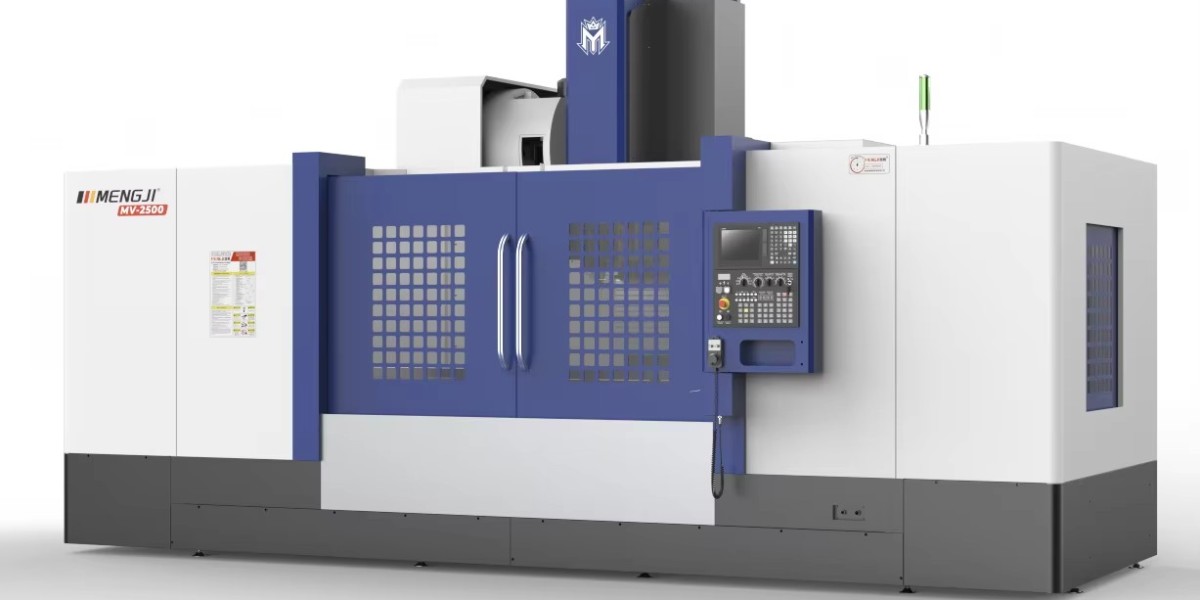


In today’s fast-paced manufacturing environment, efficiency and precision are paramount. CNC programming plays a crucial role in optimizing production processes, enabling manufacturers to enhance productivity while maintaining high standards of quality. By automating machining operations, CNC programming not only reduces the risk of human error but also allows for the creation of complex parts with remarkable accuracy. This article delves into the various advantages of CNC programming and how it contributes to streamlining production across diverse industries.
Enhanced Precision and Accuracy
CNC programming is synonymous with precision. Unlike traditional machining methods, which rely heavily on manual input, CNC programming utilizes computer algorithms to dictate machining operations. This level of automation ensures that each cut, drill, and finish is executed with exacting standards. The ability to produce parts with tolerances as tight as a few microns is a game-changer for industries such as aerospace, automotive, and medical devices. With CNC programming, manufacturers can produce intricate designs without compromising on quality, thereby meeting the stringent requirements of their clients.
One of the standout benefits of CNC programming is the significant increase in production speed. Automated machines can operate continuously, reducing downtime associated with manual setups and adjustments. CNC programming allows for the rapid production of components, which is essential in a market that demands quick turnaround times. This efficiency not only accelerates the manufacturing process but also enables companies to meet tight deadlines and respond swiftly to market changes. By integrating CNC programming into their operations, manufacturers can achieve a competitive edge in their respective industries.
Cost Efficiency and Waste Reduction
Implementing CNC programming can lead to substantial cost savings for manufacturers. By optimizing tool paths and reducing material waste, CNC programming minimizes production costs. Advanced software used in CNC programming can simulate machining processes, allowing manufacturers to identify potential issues before production begins. This proactive approach reduces the likelihood of costly errors and rework. Additionally, the precision of CNC programming ensures that materials are used efficiently, further contributing to cost reduction. As a result, businesses can allocate resources more effectively and improve their overall profit margins.
CNC programming offers unparalleled flexibility, allowing manufacturers to easily switch between different production runs. This adaptability is particularly beneficial for companies that produce a variety of products or need to respond to changing customer demands. With CNC programming, manufacturers can quickly modify designs and specifications without the need for extensive retooling. This capability enables businesses to offer customized solutions, catering to the unique needs of their clients while maintaining efficient production schedules. The ability to pivot and adapt is crucial in today’s dynamic market, making CNC programming an invaluable asset.
In conclusion, CNC programming is a vital component in streamlining production processes. Its ability to enhance precision, increase production speed, reduce costs, and provide flexibility makes it an indispensable tool for manufacturers across various industries. By embracing CNC programming, businesses can not only improve their operational efficiency but also deliver high-quality products that meet the evolving demands of their customers. As the manufacturing landscape continues to evolve, investing in advanced CNC programming solutions will undoubtedly yield significant long-term benefits.










