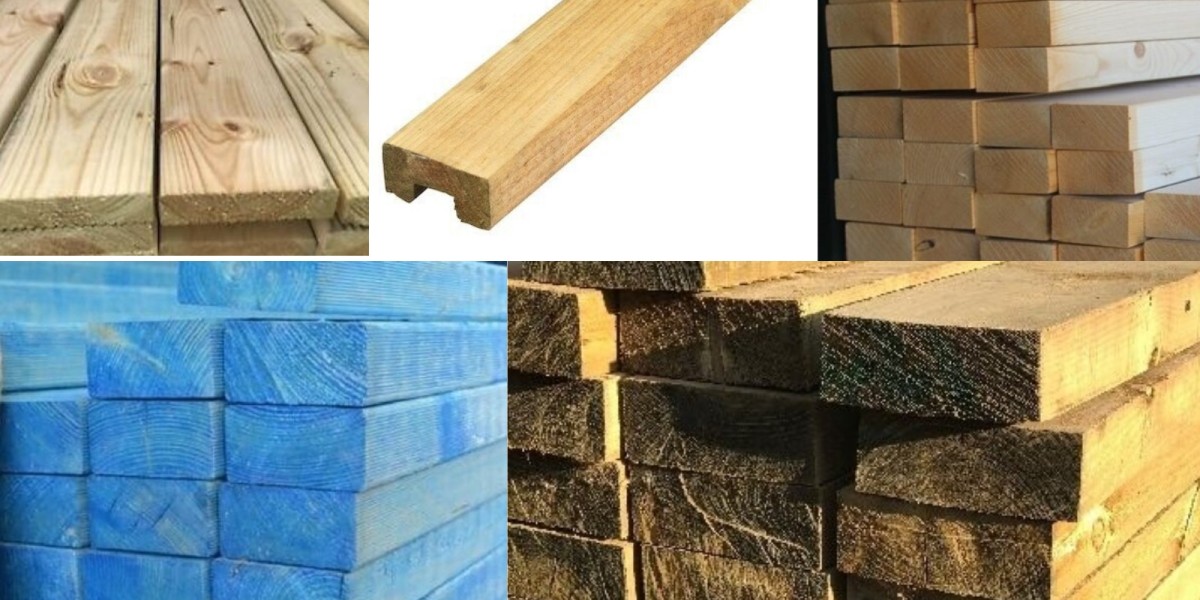


One thing you will notice in Queensland or New South Wales is that a timber deck or retaining wall will show structural compromise after just 5 years. Homeowners usually blame their local timber yard for this disaster, but the reality is that a misunderstanding of treated pine specifications and hazard classes results in this. Taking up whatever timber looks straight at a big-box retail shop without verifying the chemical treatment code is an expensive mistake. If you fail to match the specific hazard class to your site's physical conditions, you're setting an expiration date for your structural framing. A fact is that decks usually don't collapse due to missing screws. They start experiencing troubles years earlier due to improperly treated pine.
Choosing timber isn't simply about dimensions and cost anymore. Australian climate conditions, updated building expectations and changing weather patterns have become important parts to consider during timber selection, and they have made it a technical decision rather than an aesthetic-based decision.
Five Years Is Usually Enough To Reveal Every Shortcut
Many outdoor timber projects look excellent when they're handed over. Year one rarely exposes mistakes, and year two might bring minor movement. By year five, poor decisions become expensive and common problems that become visible include the following:
● Early fungal decay around posts and joints
● Surface checking is developing into a structural weakness
● Rusting connectors caused by trapped moisture
● Termite activity entering untreated cut ends
● Excessive twisting and shrinkage
● Premature replacement of decking boards
Interestingly, most of these aren't installation defects and are basically just specification-related defects.
Not Every Piece Of Treated Pine Belongs Outside
The biggest misconception among users is that they assume that treatment automatically makes timber suitable for every location. It doesn't, and Australia uses hazard classes that match timber to different exposure conditions. This means investing in poorly treated pine decking will dramatically shorten the service life of a project.
For example, an above-ground privacy screen might perform perfectly with one treatment level, while retaining wall sleepers or structural landscaping require a much higher protection level. This is simply because they're constantly exposed to moisture and soil-based organisms.
Once the timber sits in the wrong environment, deterioration accelerates regardless of workmanship. This is a main reason why experienced builders read treatment markings before they read dimensions.
Moisture Usually Wins Before Termites Do
People often blame termites first when they see damage, but a thorough inspection of the timber can reveal a completely different story. Persistent moisture inside the timber creates conditions that eventually attract biological activity and make the area an ideal hub for termites to thrive and expand their colonies.
If timber remains damp for extended periods, decay fungi begin to break down its structure. This means strength reduces long before obvious rot appears on the surface.
This process is known throughout the industry as structural lumber degradation, and the industry also accepts the fact that it starts inside joints where airflow is poor.
Common Moisture Traps Include:
● Garden beds built against timber framing
● Deck bearers sitting too close to the natural ground
● Poor drainage beneath outdoor structures
● Constant irrigation overspray
● Leaf litter holding moisture around posts
No timber treatment in the world eliminates poor drainage, and all of them only buy time.
H3 Treated Pine Timber Still Needs Smart Detailing
A very common misconception about residential projects is that H3 treated pine timber from treated pine suppliers eliminates maintenance. The fact is that treatments only protect against biological attacks that are appropriate to their hazard class, but they don't prevent poor detailing.
Experienced Carpenters Still Allow:
● Ventilation beneath decks
● Drainage around posts
● Expansion gaps between boards
● Sealed cut ends where required
● Compatible fixings that resist corrosion
Small details like these often add another decade of usable life, but ignoring them can remove that decade surprisingly quickly.
Termites Usually Find The Weakest Decision
Australia remains one of the world's highest-risk environments for subterranean termite structural damage. According to the CSIRO and industry research, termites cause hundreds of millions of dollars in building damage across Australia every year. Moreover, several infestations remain hidden until significant structural loss has already occurred. Interestingly, termites rarely attack because timber is simply available, and basically, they're attracted by conditions that include the following:
● Excessive ground moisture
● Concealed entry points
● Landscaping against structural timber
● Untreated drill holes
● Timber offcuts left beneath decks
Even well-treated timber becomes vulnerable once exposed sections lose their protective envelope. This is a common reason seasoned installers treat every field cut carefully. They don't assume that every factory treatment protects every exposed surface indefinitely.
Australian Weather Keeps Raising The Standard
The weather many Australians experienced fifteen years ago isn't quite the weather many projects face today. Now there are longer wet periods, sudden heatwaves, flash flooding, and prolonged humidity, and these cycles repeatedly expand and contract timber. This movement isn't necessarily a defect, but an expected problem.
The problem begins when cheaper materials, incorrect hazard classes or poor installation by the treated pine decking installation team leave very little margin for seasonal movements. The Housing Industry Association (HIA) and the National Construction Code increasingly emphasise durability, compliance and material suitability as the three most critical factors. This is because weather-related failures continue costing property owners far more than preventative planning.
One Useful Rule Still Holds True
The cheapest timber often becomes the most expensive timber sometime around year five. This is not because treated pine performs poorly, but mainly because the wrong specification usually performs exactly as expected.
When Saving A Few Hundred Dollars Costs Several Thousand
Price still drives many purchasing decisions, and this remains true across the nation. Building costs have remained high through 2025–2026. The problem is that timber isn't a product where the cheapest quote tells the whole story, and a lower price may reflect the following:
● A lower hazard class than the project requires
● Inconsistent treatment quality
● Shorter lengths create unnecessary joins
● Higher moisture content at delivery
● Limited documentation on treatment standards
None of those issues is obvious once the project is finished. Most of them are usually discovered after several summers, a couple of wet winters and plenty of movement through seasonal changes.
Choosing Between Treated Pine Suppliers Isn't Just About Stock
Reliable treated pine suppliers tend to have one thing in common that they can explain why a particular product suits a project instead of simply confirming they have it in stock. Good suppliers generally discuss the following:
● Hazard class requirements
● Expected service environment
● Moisture exposure
● Structural vs non-structural applications
● Compatible fasteners and connectors
● Storage before installation
The conversation might add ten minutes, but surprisingly, it will save years of problems.
A Practical Checklist Before Ordering Treated Pine From Treated Pine Suppliers
Before committing to any treated timber supplier, working through these questions will be very beneficial.
● Does the hazard class match the installation environment?
● Will any timber be in direct ground contact?
● Has drainage around the structure been considered?
● Are termite risks specific to the property understood?
● Will every cut end receive the required protection?
● Are fixings suitable for treated timber?
● Can the supplier provide treatment documentation if requested?
Most failures traced back during inspections begin with some questions that were never asked.
Frequently Asked Questions
Does Treated Pine Stop Termites Completely?
No. Properly treated timber improves resistance, but termites can still exploit untreated cuts, surrounding materials and favourable site conditions.
How Long Should Treated Pine Last Outdoors?
That depends on the hazard class, installation quality, drainage and maintenance. Correctly specified timber can provide decades of service.
Is All Treated Pine Suitable For Decking?
No. Treated pine decking should be matched to the intended structural and environmental conditions rather than selected purely by appearance.
Why Does Treated Pine Still Rot?
Poor drainage, trapped moisture and inadequate ventilation allow fungal activity to develop despite preservative treatment.
Can I Use Above-Ground Timber In The Soil?
Generally, 'no'. Timber installed in ground contact requires an appropriate treatment level for that exposure.
Do All Treated Pine Suppliers Provide The Same Products?
No. Reputable treated pine suppliers often stock different treatment classes, structural grades and certified products suited to specific applications.
Conclusion
Five-year timber failures rarely begin in the fifth year. They usually begin on delivery day when wrong specifications are accepted because everything looks the same from the outside. Quality installation certainly matters, but it can't compensate for timber that's unsuitable for the conditions it will face. Moisture, termites and seasonal movement simply expose decisions that were made much earlier.
Before starting your next outdoor project, spend a little more time understanding the timber specification and discussing the application with a knowledgeable supplier. That conversation is often worth far more than the savings from choosing the cheapest option.









