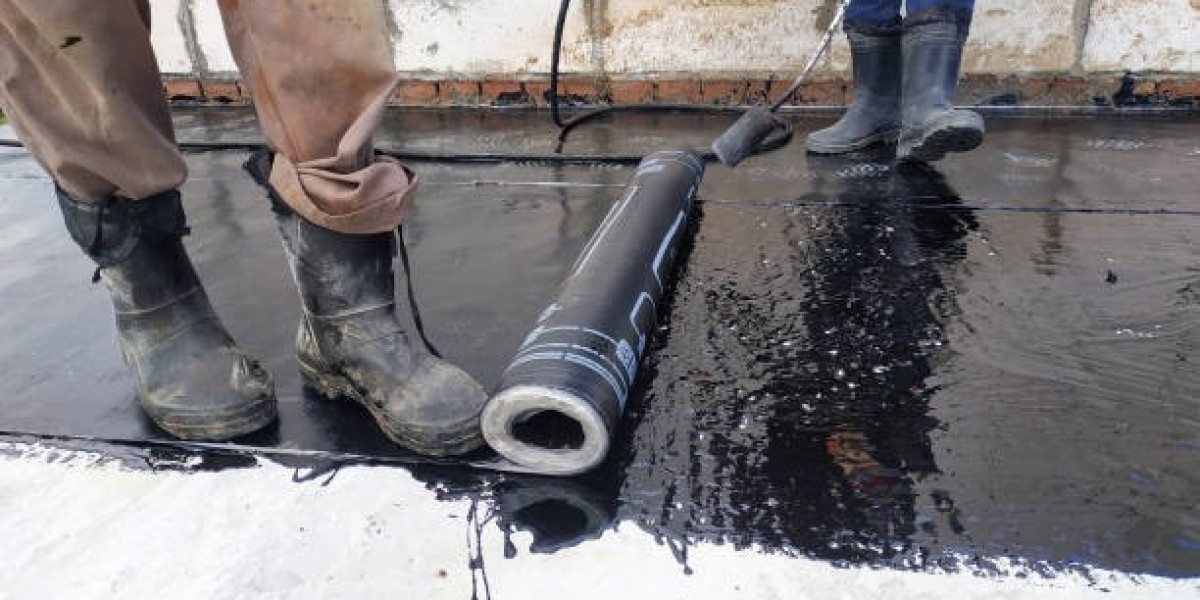


Water intrusion in basements ranks among the most common and damaging problems property owners face. Moisture seeping through walls or floors can destroy belongings, compromise structural integrity, and create health hazards from mold growth. Protecting your basement requires understanding the causes of water problems and implementing effective solutions. AL HARMAIN ASSOCIATES ENGINEER & CONSULTANT brings years of practical experience to solving moisture issues, helping property owners protect their investments and enjoy dry, usable spaces.
Understanding the Causes of Basement Water Problems
Water finds its way into basements through multiple pathways, each requiring different solutions. Understanding these causes helps you address problems effectively rather than just treating symptoms.
Hydrostatic Pressure and Groundwater
Water naturally seeks the path of least resistance, and basement walls often provide that path. When soil around your foundation becomes saturated from heavy rain or high water tables, hydrostatic pressure builds against basement walls. This pressure forces water through microscopic cracks, porous concrete, and mortar joints. The problem intensifies during monsoon seasons when Rahim Yar Khan experiences significant rainfall. Proper drainage systems relieve this pressure before water breaches the structure.
Poor Surface Drainage and Grading
The ground around your home should slope away from the foundation to direct rainwater elsewhere. Improper grading causes water to pool against basement walls, increasing hydrostatic pressure. Downspouts discharging too close to the building compound this problem. Simple corrections like extending downspouts and regrading the landscape often reduce water problems significantly before they reach your basement.
Foundation Cracks and Structural Issues
Concrete foundations develop cracks over time as buildings settle and materials expand with temperature changes. Even hairline cracks allow water entry during wet conditions. Larger cracks indicate more serious structural concerns requiring professional evaluation. Regular inspections catch these issues early, preventing water damage and costly repairs. Foundation maintenance protects both your basement and the entire building structure.
Interior vs. Exterior Waterproofing Solutions
Property owners can choose from multiple approaches to basement waterproofing, each with distinct advantages and considerations.
Interior Waterproofing Methods
Interior solutions manage water after it enters, directing it away from occupied spaces. These include drainage channels, sump pumps, and vapor barriers applied to walls. Interior work costs less and requires less disruption than exterior excavation. However, interior systems don't stop water from entering the structure, relying instead on continuous pumping and drainage to keep spaces dry. These solutions work well for minor seepage but may struggle with heavy water intrusion.
Exterior Waterproofing Systems
Exterior waterproofing addresses the source of water problems by preventing entry entirely. This involves excavating around the foundation, applying waterproof coatings, and installing drainage membranes and French drains. Exterior systems provide long-term protection and preserve structural integrity. The work creates permanent solutions rather than managing symptoms. Professional installation ensures proper depth, drainage, and material selection for lasting results.
Combination Approaches
Many projects benefit from combining interior and exterior solutions for comprehensive protection. For instance, exterior waterproofing addresses major issues while interior drainage provides backup security. Redundancy protects against unexpected water events and system failures. Consulting with experienced professionals helps determine the optimal approach for your specific building and conditions.
Signs Your Basement Needs Waterproofing
Recognizing early warning signs prevents minor issues from escalating into major damage.
Visible Water Stains and Efflorescence
White, chalky deposits on basement walls indicate mineral salts left behind as water evaporates. These deposits suggest ongoing moisture migration through concrete. Darker stains often indicate current or recent water entry. Regular inspections reveal these signs before significant damage occurs.
Musty Odors and Mold Growth
Persistent musty smells signal ongoing moisture and potential mold growth. Mold spores spread quickly in damp environments, affecting air quality throughout your building. Visible mold on walls, floors, or stored items demands immediate attention. Health concerns make these signs among the most urgent for property owners to address.
Peeling Paint and Damp Floors
Paint or sealants that bubble and peel on basement walls indicate moisture behind the surface. Damp floor areas or visible condensation on pipes and walls suggest humidity issues. These signs often appear together, indicating inadequate ventilation and moisture control. Addressing these symptoms prevents deterioration of finishes and stored items.
The Basement Waterproofing Process Explained
Understanding the waterproofing process helps you prepare and evaluate proposals from contractors.
Initial Inspection and Assessment
Professional waterproofing begins with thorough property evaluation. Experts examine interior and exterior conditions, identify entry points, and test drainage. Inspectors check downspouts, gutters, and grading for potential problems. Soil conditions and water table depth are assessed through site analysis. This assessment creates the foundation for an effective, customized solution.
Planning and System Design
After assessment, professionals design a system addressing your specific water issues and building configuration. Design considerations include drainage capacity, waterproofing material selection, and coordination with other building systems. Plans account for local climate patterns and seasonal water challenges. Well-designed systems anticipate future needs and potential changes in water conditions.
Installation and Quality Assurance
Proper installation makes the difference between lasting protection and recurring problems. Experienced installers follow manufacturer specifications and industry standards precisely. Quality control includes water testing and inspection before backfilling and finishing. Comprehensive warranties protect your investment and provide peace of mind about the work performed.
Cost Factors for Basement Waterproofing
Budgeting for waterproofing requires understanding what influences costs and long-term value.
Scope and Extent of Work Required
Minor repairs cost considerably less than full exterior excavation projects. Interior systems generally cost less than exterior approaches because they avoid excavation. However, preventing entry costs more initially but saves money over time through avoided damage and reduced maintenance. Consider both immediate costs and long-term benefits when evaluating options.
Foundation Depth and Access
Deeper foundations and limited access around buildings increase installation complexity and cost. Equipment access, landscaping restoration, and demolition factors affect budgets. Professional quotes account for these site-specific variables. Comparing multiple estimates helps identify reasonable pricing and quality differences.
Material Quality and System Type
High-quality waterproofing materials cost more but last longer and perform better. Premium membranes, drainage materials, and sealants offer superior protection. While budget-friendly options may seem attractive, they often require earlier replacement or repair. Investing in quality materials protects your property and reduces long-term expenses.
Preparing Your Basement for Waterproofing
Proper preparation ensures efficient installation and lasting results.
Clearing and Cleaning
Remove all stored items, furniture, and personal possessions from areas requiring work. Clear spaces allow installers full access and prevent damage to your belongings. Cleaning eliminates existing mold and prepares surfaces for treatment. Thorough preparation accelerates the installation timeline and improves results.
Utility Access and Temporary Measures
Coordinate with contractors regarding utility access and temporary shutdowns. Some waterproofing methods may require disconnecting power or plumbing. Plan for alternative storage and workaround solutions during installation. Clear communication prevents surprises and keeps projects on schedule.
Conclusion
Effective Basement waterproofing in Rahim Yar Khan protects your property from water damage, mold growth, and structural deterioration. Understanding the causes and solutions empowers you to make informed decisions about protecting your investment. Whether you choose interior, exterior, or combination approaches, working with experienced professionals ensures lasting protection. Regular inspections and maintenance extend the life of your waterproofing system. A dry basement adds value, comfort, and peace of mind to your property for years to come.
Frequently Asked Questions
How long does basement waterproofing typically last?
Quality waterproofing systems last 20-50 years with proper maintenance and periodic inspections.
Can I waterproof my basement myself?
Minor interior repairs are possible, but comprehensive waterproofing requires professional expertise and equipment.
Does basement waterproofing increase property value?
Yes, dry basements add usable space and avoid water damage, making properties more attractive to buyers.
How long does waterproofing installation take?
Interior systems take 1-3 days, while exterior excavation projects require 1-2 weeks depending on conditions.
Will waterproofing solve all moisture problems?
Professional waterproofing addresses most issues, but ventilation and humidity control may also be needed.
Is waterproofing covered by homeowner's insurance?
Standard policies typically don't cover water seepage but may cover damage from sudden water events.








