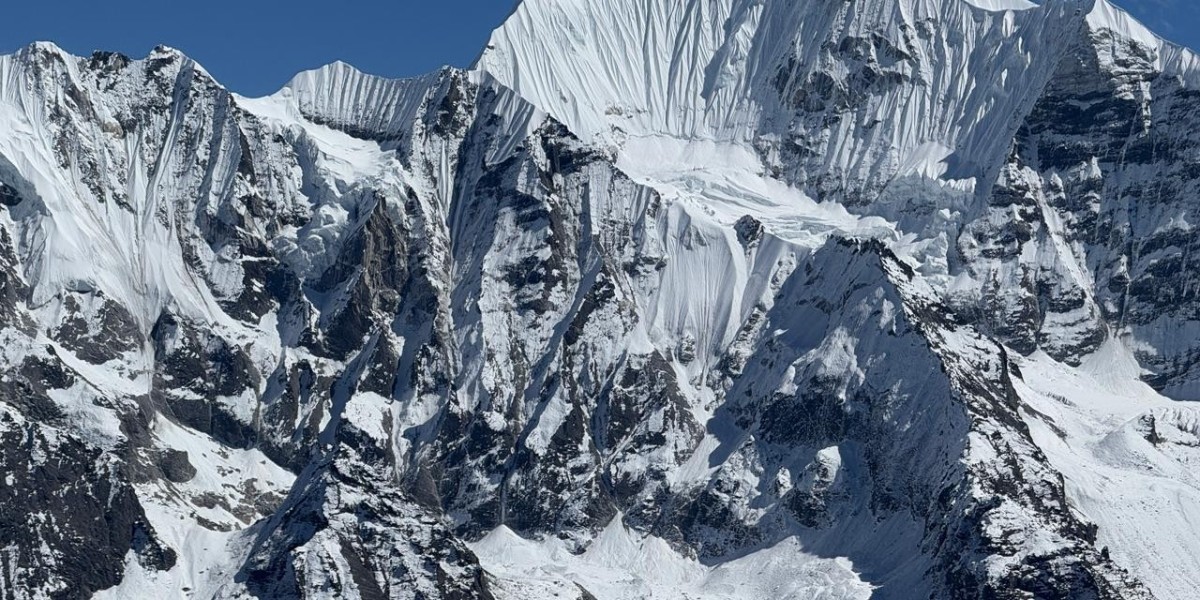


Altitude sickness is the most common health risk that hikers and trekking enthusiasts face while hiking the Himalayas. This does not indicate that the Langtang Valley Trek is difficult, although it does present a moderate-level challenge to all hikers, independent of their age and physical fitness. The causes, symptoms, prevention measures, and treatment of altitude sickness should be understood by all hikers to ensure that they do not suffer from this condition while enjoying the breathtaking views around them. With the right preparations, all hikers who embark on the Langtang Valley Trek will enjoy the spectacular views without suffering from altitude sickness.
Why Altitude Sickness Occurs
Altitude sickness occurs when a person climbs to a higher altitude too quickly, and the body fails to adjust to the reduced amount of oxygen available at higher altitudes. On the Langtang Valley Trek, most hikers start their adventure at 1,500 meters above sea level in Syabrubesi and climb up to 3,870 meters in Kyanjin Gompa at the end of the trek. Those interested in climbing Kyanjin Ri and Tserko Ri peaks should be ready to climb even higher than 4,500 meters since the air pressure and oxygen levels decrease exponentially beyond 3,000 meters.
Symptoms of Altitude Sickness
Although most symptoms of altitude sickness are usually mild, they can be uncomfortable and incapacitating. A hiker should be wary of the following symptoms and take them as a warning:
Headaches, dizziness, nausea, loss of appetite, tiredness, sleeping difficulties, and shortness of breath are common symptoms of altitude sickness that begin to manifest a few hours after climbing to a higher altitude. Mild altitude sickness symptoms should not be taken lightly. Instead, the hiker should consult a medical professional if the symptoms persist for an extended period or worsen. If the symptoms develop suddenly or steadily, the affected hiker should descend immediately back to the lower altitude from where they started the trek.
How to prevent altitude sickness
The best treatment for altitude sickness is to prevent it from occurring in the first place. The most effective strategy to prevent altitude sickness is to climb slowly and allow the body to acclimatize to the higher altitudes. Hikers should walk slowly to conserve energy, drink plenty of water, eat healthy snacks and avoid alcohol when climbing higher altitudes. Additionally, hikers should consider choosing the itinerary option that allows them to acclimatize at Kyanjin Gompa as it significantly reduces the risks of altitude sickness. With that being said, most cases of altitude sickness can be prevented when hikers follow the acclimatization process as described above.
What to do if symptoms arise
If the hiker begins to experience mild altitude sickness symptoms, they should descend back to a lower altitude since ascending higher will increase the chances of becoming seriously ill. Moreover, if the hiker experiences persistent, severe headaches, they should take analgesics to relieve the pressure on the cranium and descend immediately to lower altitudes. If the initial management of altitude sickness symptoms does not work, the affected hiker should seek emergency medical assistance and descend to a lower altitude as soon as possible.
Complications of altitude illness
Most cases of altitude illness that occur during the Langtang Valley Trek are mild and easily treatable. Despite this, altitude illness can sometimes lead to two serious conditions: High Altitude Pulmonary Edema and High Altitude Cerebral Edema. High Altitude Pulmonary Edema occurs when fluid builds up in the lungs, causing shortness of breath, and persistent coughing, and requires emergency treatment. On the other hand, High Altitude Cerebral Edema involves the swelling of the brain and can cause mental confusion, loss of coordination, severe headaches, and eventually loss of consciousness.
Medication and emergency measures
Some altitude medicine can help with the management of altitude sickness, but they should only be taken after consulting with a qualified medical practitioner. It is always essential to inform the nearest relative or friend about the development of altitude sickness and the corresponding measures that should be taken in the next 24 hours. Additionally, it is always recommended to carry a personal first-aid kit, travel insurance, and emergency contact numbers. Moreover, a trekking guide can be quite helpful since they normally have adequate knowledge and skills to manage most altitude sickness cases.
Other important considerations
The most crucial thing to keep in mind while hiking the Langtang Valley Trek is to move at a steady pace. Moreover, hikers should ensure that they drink enough water and take regular breaks to let the body absorb the food and eliminate toxins from the body. It is also necessary to listen to the body and rest if something feels wrong. Finally, hikers should not hesitate to discuss their concerns about altitude sickness with their guide or fellow hikers.
It is essential for every trekker, going on a Himalayan adventure, to remain calm and collected while hiking the Langtang Valley Trek. By following the aforementioned prevention measures and seeking emergency assistance in case something goes wrong, altitude sickness can be prevented and easily managed if it occurs. By taking care of their bodies while hiking at higher altitudes, hikers can enjoy the scenic views in the Himalayas.









