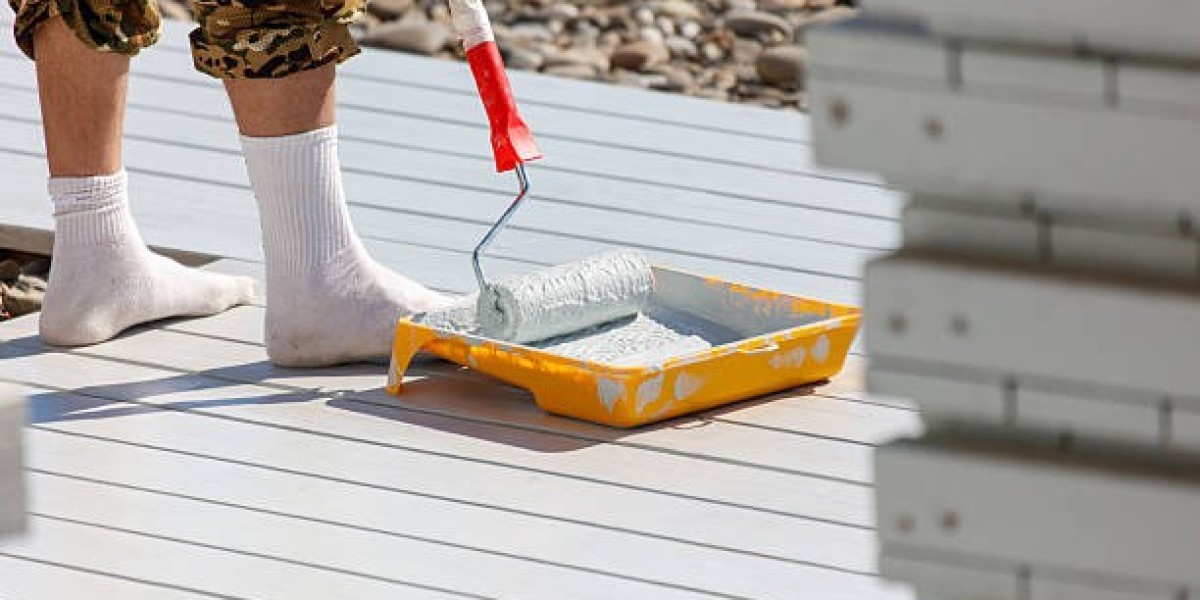


Beautifully painted walls serve as the foundation for any well-designed interior, yet achieving truly stunning drywall painting results requires knowledge, skill, and attention to detail that many homeowners lack. From selecting the right products through mastering application techniques, drywall painting involves numerous steps that determine whether your finished walls look professionally done or amateurishly flawed. DenCo Custom Painting LLC has perfected the art of drywall painting through years of hands-on experience, delivering beautiful, flawless finishes that transform ordinary rooms into extraordinary living spaces with lasting durability and appeal.
Understanding Drywall and Its Painting Requirements
Before beginning any drywall painting project, it is essential to understand the unique characteristics of drywall and how they affect painting outcomes.
The Composition and Porosity of Drywall
Drywall consists of gypsum plaster pressed between two thick sheets of paper, creating a surface that is both durable and porous. This porosity means drywall absorbs paint unevenly unless properly sealed with primer. Professional painters understand this characteristic and apply appropriate primers to create a uniform surface that accepts paint consistently, preventing the "flashing" or "spotting" that plagues many DIY drywall painting attempts.
The Importance of Joint Compound and Texture
Properly finished drywall requires joint compound applied over seams and fasteners, creating smooth transitions between panels. The quality of this joint finishing dramatically affects painting results. Similarly, applied texture affects how paint appears and how it should be applied. Professional painters understand these variables and adjust their preparation and application techniques accordingly.
The Essential Steps to Beautiful Drywall Painting
Achieving beautiful drywall painting results requires following a comprehensive process that professional painters have refined through experience.
Thorough Surface Preparation
Beautiful drywall painting begins with meticulous surface preparation. This includes cleaning walls to remove dust and debris, repairing any damage such as dents or holes, sanding rough areas smooth, and applying appropriate primer. Professional painters inspect surfaces carefully, identifying and addressing every imperfection before painting begins. This preparation ensures paint adheres properly and cures evenly, producing a smooth, flawless finish.
Proper Taping and Mudding of Joints
The quality of drywall joint finishing directly determines painting results. Professional painters apply joint compound in multiple thin coats, allowing each to dry thoroughly before sanding. They use progressively finer sandpaper to achieve perfectly smooth joints that are invisible once painted. This meticulous process eliminates the visible seams and ridges that often plague DIY drywall painting projects.
Choosing the Right Products for Your Drywall Project
Product selection significantly impacts the appearance, durability, and longevity of drywall painting results.
Selecting the Appropriate Paint Finish
Different paint sheens serve different purposes and perform differently on drywall surfaces. Flat finishes effectively hide imperfections and provide a soft, elegant appearance but are less washable, making them ideal for low-traffic areas. Eggshell finishes offer excellent durability with subtle sheen, suitable for most living spaces. Satin finishes provide enhanced durability and cleanability, perfect for high-traffic areas and family rooms. Semi-gloss and gloss finishes offer maximum washability but reveal surface imperfections, making them better suited for trim and high-moisture areas.
The Critical Role of Quality Primers
Primers are essential for beautiful drywall painting, yet many homeowners skip this crucial step. Quality primers seal porous surfaces, preventing uneven paint absorption. They block stains from bleeding through, cover previous colors effectively, and create a uniform base that enhances final color richness. Professional painters always use appropriate primers, understanding that proper priming dramatically improves paint adhesion, coverage, and longevity.
Professional Application Techniques for Perfect Results
The techniques professional painters employ distinguish their work from amateur efforts, delivering flawless drywall painting results.
Mastering the Art of Cutting In
Cutting in involves painting edges and corners where rollers cannot reach, creating clean lines where walls meet ceilings, trim, and adjacent surfaces. Professional painters use high-quality angled brushes and steady hands to achieve crisp, sharp lines without brush marks or drips. They maintain a wet edge while working, ensuring cut-in areas blend seamlessly with rolled sections for uniform appearance throughout.
Rolling Techniques for Smooth, Even Coverage
Proper rolling technique is essential for achieving smooth, even drywall painting results. Professionals use appropriate nap rollers for their wall texture and apply paint in systematic sections, overlapping strokes to prevent visible lines. They maintain consistent pressure and speed, ensuring uniform coverage without streaks, roller marks, or missed areas. This methodical approach produces the professional-quality finish that homeowners desire.
Addressing Common Drywall Painting Challenges
Understanding common challenges helps homeowners appreciate the value of professional expertise in avoiding costly mistakes.
Managing Stains and Discoloration
Drywall can develop stains from water damage, smoke, grease, and other sources that may bleed through new paint. Professional painters identify stain sources, address underlying issues, and apply appropriate stain-blocking primers before painting. This ensures stains don't reappear and ruin the finished appearance, providing lasting, beautiful results that stand the test of time.
Achieving Consistent Texture and Finish
Texture matching presents particular challenges in drywall painting. Professional painters precisely match existing texture patterns, whether orange peel, knockdown, or smooth finish. They understand how to adjust spray patterns, air pressure, and material consistency to achieve seamless results. This expertise ensures repairs and new work blend perfectly with existing surfaces for truly beautiful results.
The Long-Term Benefits of Professional Drywall Painting
Investing in professional drywall painting delivers exceptional value through superior results and long-term satisfaction.
Maximizing Paint Longevity and Durability
Professional painters apply drywall painting techniques and use products that maximize paint longevity and durability. Proper preparation, quality materials, and correct application ensure paint resists fading, peeling, and wear for years. This durability reduces the frequency of repainting, saving money and maintaining your home's beauty for longer periods.
Enhancing Property Value and Appeal
Beautifully painted drywall significantly enhances property value and appeal. Fresh, well-maintained walls signal to potential buyers that the property has been cared for, while attractive colors help buyers envision themselves living in the space. Quality drywall painting delivers excellent return on investment, making it a smart financial decision for homeowners.
Conclusion
Beautiful drywall painting requires expertise, quality materials, and proven techniques that only experienced professionals consistently deliver. From proper surface preparation through precise application methods, professional painters achieve flawless finishes that transform living spaces with lasting beauty and durability. When you're ready to achieve beautiful results with trusted Drywall painting in Henderson CO, partnering with experienced professionals ensures your project receives the quality, care, and attention to detail it deserves.
FAQs
How long should I wait before painting new drywall? New drywall should cure for at least 2-3 weeks before painting to allow moisture to evaporate completely.
Can I paint over existing textured drywall? Yes, but proper cleaning and priming are essential for good paint adhesion on textured surfaces.
What causes paint to bubble on drywall? Paint bubbles typically result from moisture trapped beneath the paint film or inadequate surface preparation.
How many coats of paint does drywall need? Most drywall painting projects require at least two coats for adequate coverage and uniform appearance.
Should I sand between coats of drywall paint? Light sanding between coats helps achieve an ultra-smooth finish by removing minor imperfections.









