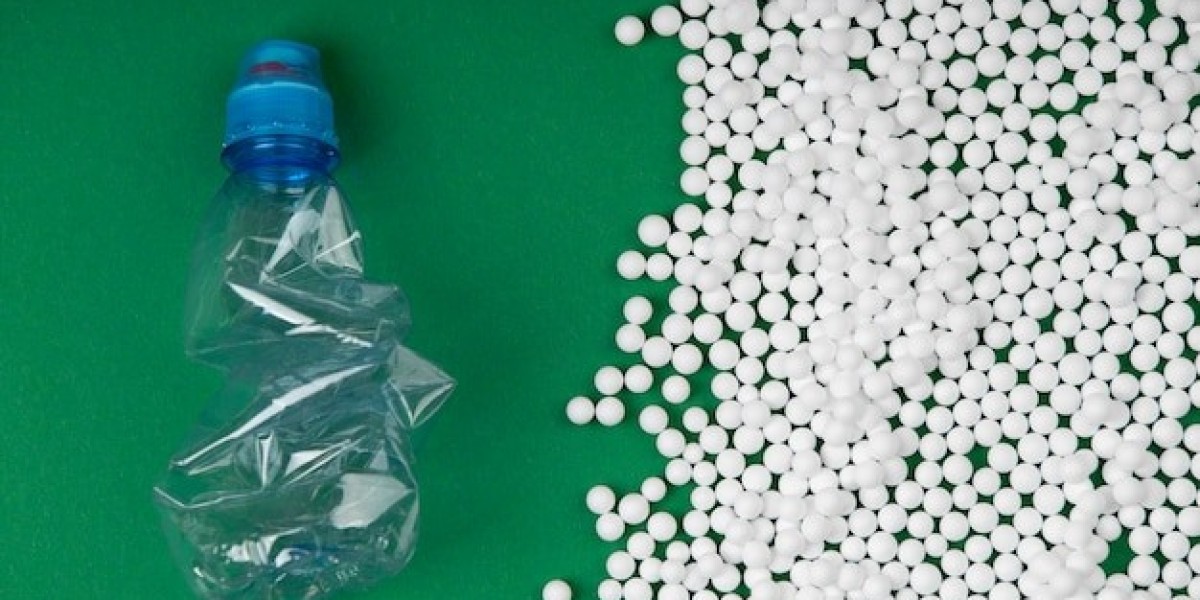


China’s manufacturing economy creates broad demand for polypropylene compounds across automotive components, appliances, electronics, packaging, industrial products, and consumer goods. These materials combine polypropylene resin with fillers, reinforcements, impact modifiers, flame retardants, and other additives to achieve specific performance characteristics. Manufacturers use them when standard polypropylene cannot deliver the required balance of strength, stiffness, heat resistance, impact performance, dimensional stability, or surface quality.
A recent study by MarkNtel Advisors examines the China polypropylene compounds landscape across 2026–2032, focusing on industry trends, supply and consumption patterns, competitive developments, end-use segments, investment activity, and technological progress. The study indicates that evolving manufacturing requirements and changing application needs are shaping opportunities for specialised polypropylene formulations across multiple downstream industries.
Automotive Lightweighting Creates Strong Material Opportunities
Automotive production is one of the most important application areas for polypropylene compounds. These materials are widely used in dashboards, door panels, bumpers, interior trims, battery-related components, under-hood parts, and other vehicle systems where low weight and reliable mechanical performance are important.
China produced 34.53 million vehicles in 2025, while new-energy vehicle production reached 16.63 million units, according to the Ministry of Industry and Information Technology. Expanding vehicle output increases demand for lightweight polymer components capable of supporting efficiency, design flexibility, and high-volume manufacturing.
Electric Vehicles Raise Performance Requirements
Electric vehicles create additional requirements for materials used around batteries, electrical systems, charging components, and thermal-management assemblies. Polypropylene compounds can be modified to improve flame resistance, stiffness, dimensional stability, or impact behaviour depending on the component.
Glass-fibre reinforcement, mineral fillers, and specialised additives allow compounders to tailor performance for different automotive uses. This flexibility makes polypropylene particularly valuable where manufacturers want to replace heavier materials without compromising durability or production efficiency.
Appliances and Electronics Support Broader Consumption
Polypropylene compounds are also used in washing machines, air conditioners, refrigerators, electrical housings, small appliances, and consumer electronics. These products often require materials with good mouldability, surface appearance, chemical resistance, and dimensional consistency.
China’s high-technology manufacturing output continued to expand in 2025. The National Bureau of Statistics reported that high-technology manufacturing value added increased during the year, while production of integrated circuits and industrial robots also grew. This broader manufacturing activity supports demand for engineered polymers across equipment, housings, connectors, and supporting components.
Compounding Allows Performance Customisation
The main advantage of polypropylene compounds is the ability to modify a base polymer for a specific application. Mineral-filled compounds can improve stiffness and dimensional control, while glass-fibre reinforcement can increase mechanical strength.
Impact modifiers help components withstand shocks, and flame-retardant systems improve suitability for selected electrical applications. Additives may also improve ultraviolet resistance, colour stability, scratch performance, or long-term heat resistance. These options allow manufacturers to select materials according to operating conditions rather than relying on one standard formulation.
Recycled Materials Become More Important
China is placing greater emphasis on recycled-material use and circular manufacturing. In late 2025, national authorities introduced an action plan for promoting recycled materials, covering recycled plastics alongside metals, paper, and other materials.
The plan calls for expanded use of recycled plastics and stronger high-value recycling capabilities. It also sets a goal for national recycled-plastic production to exceed 19.5 million tonnes annually by 2030. This policy direction could encourage compounders to incorporate more recycled polypropylene into automotive, appliance, packaging, and consumer-product applications where performance requirements permit.
Standards Strengthen Recycled-Plastic Quality Control
Using recycled polymers in engineered applications requires reliable material identification and performance control. China introduced a national standard covering traceability and environmental assessment of recycled plastics, which took effect in February 2026.
Additional standards address polyolefin mixtures and restricted substances in recycled plastics. These frameworks can help manufacturers improve consistency and confidence when recycled feedstocks are incorporated into more demanding applications.
Material Innovation Will Shape Future Adoption
China polypropylene compounds are increasingly connected with vehicle lightweighting, electrification, appliance production, advanced manufacturing, and circular-material strategies. Their value lies in the ability to combine relatively low weight with customised mechanical, thermal, and processing performance.
Future development will depend on formulation innovation, recycled-content quality, raw-material costs, automotive production, and higher technical requirements from manufacturers. As China continues upgrading its industrial base, polypropylene compounds will remain an important material platform across transportation, electronics, appliances, and other high-volume manufacturing applications.








