

Introduction
A Gold detector is more than just a piece of equipment—it is a gateway to adventure, exploration, and the possibility of discovering valuable treasures hidden beneath the ground. Whether you are a hobbyist searching for gold nuggets, a professional prospector, or someone interested in exploring historical sites, investing in the right Gold detector can significantly improve your chances of success.
Over the years, gold detection technology has evolved dramatically. Today's advanced detectors offer greater depth, enhanced sensitivity, and intelligent filtering systems that make locating gold easier than ever before. As a result, people from all over the world are embracing gold detecting as both a rewarding hobby and a profitable pursuit.
In this guide, we'll explore everything you need to know about choosing, using, and maintaining a Gold detector while maximizing your chances of making valuable discoveries.
What Is a Gold Detector?
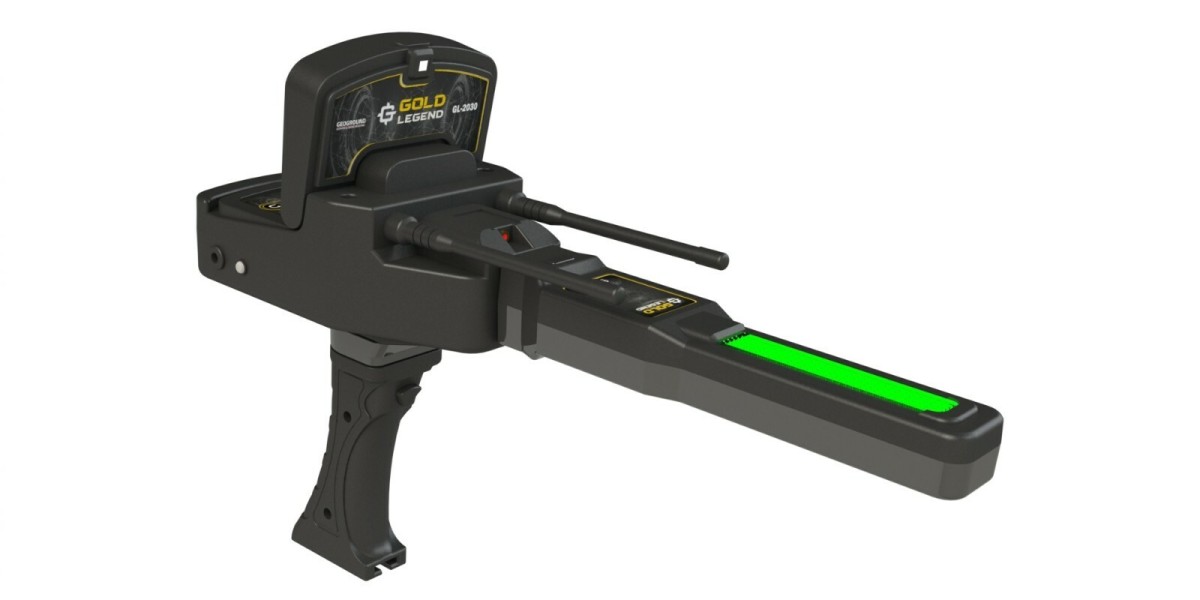
A Gold detector is a specialized electronic device designed to identify gold objects buried underground. Unlike standard metal detectors, gold detectors are engineered to detect small gold nuggets while minimizing interference from mineralized soil and unwanted metals.
These devices work by transmitting electromagnetic signals into the ground. When the signal encounters a metallic object, it creates a response that alerts the user through audio tones, digital displays, or vibration alerts.
Modern Gold detectors are capable of locating:
Natural gold nuggets
Gold coins
Gold jewelry
Buried treasures
Ancient artifacts containing gold
Because gold often exists in highly mineralized soil, advanced detectors include sophisticated ground balancing features that improve detection accuracy.
How Does a Gold Detector Work?
Understanding how a Gold detector works can help users make better purchasing decisions and improve field performance.
The detector generates electromagnetic waves through its search coil. When these waves encounter a metallic object, they create a magnetic field that is detected by the receiver coil.
The detector then analyzes several factors, including:
Conductivity
Object size
Metal type
Burial depth
Ground mineralization
Using built-in software, modern Gold detectors can distinguish between valuable targets and unwanted metals such as iron or aluminum, reducing unnecessary digging.
Types of Gold Detectors
Not all Gold detectors are created equal. Choosing the right type depends on your goals, experience, and the environment where you plan to search.
Very Low Frequency (VLF) Gold Detectors
VLF detectors are among the most popular choices for beginners and hobbyists. They offer excellent sensitivity to small gold nuggets and provide strong discrimination capabilities.
Advantages include:
Affordable pricing
Easy operation
Lightweight design
Excellent target identification
However, they may struggle in highly mineralized ground compared to other technologies.
Pulse Induction (PI) Gold Detectors
Pulse Induction detectors are designed for serious prospectors working in challenging environments.
Their benefits include:
Greater detection depth
Excellent performance in mineralized soil
Improved ability to locate large gold nuggets
Although they typically cost more than VLF models, they are often considered the preferred choice for professional gold hunters.
Multi-Frequency Gold Detectors
The newest generation of Gold detector technology uses multiple frequencies simultaneously.
This allows users to detect:
Tiny gold flakes
Medium-sized nuggets
Large buried treasures
These detectors combine versatility with impressive accuracy, making them suitable for various terrains.
Key Features to Look for in a Gold Detector
Before purchasing a Gold detector, consider the features that directly affect performance.
High Sensitivity
Gold nuggets can be incredibly small. A detector with superior sensitivity can locate tiny pieces that less advanced models might miss.
Ground Balance
Mineralized soil often produces false signals. Automatic or manual ground balancing helps eliminate these unwanted responses, improving detection accuracy.
Target Identification
Many modern Gold detectors feature digital target identification numbers, helping users distinguish between gold and other metals before digging.
Waterproof Search Coil
A waterproof coil allows searching in rivers, streams, beaches, and wet environments where gold is commonly found.
Adjustable Detection Modes
Different terrains require different settings. Multiple search modes allow users to optimize performance for parks, deserts, forests, mountains, or riverbeds.
Best Places to Use a Gold Detector
Location is often the biggest factor determining success.
Some of the best places include:
Goldfields
Historic mining regions remain among the most productive areas for finding natural gold.
Riverbeds
Flowing water naturally deposits gold particles and nuggets in river bends and gravel bars.
Desert Regions
Many deserts around the world contain rich gold deposits waiting to be discovered.
Abandoned Mining Camps
Old mining sites often contain overlooked gold pieces and historical artifacts.
Beaches
Although beaches are better known for jewelry finds, some coastal areas also produce gold deposits.
Researching local regulations before searching is essential, as some locations require permits or prohibit metal detecting.
Tips for Successful Gold Detecting
Owning a Gold detector is only the beginning. Success comes from combining quality equipment with effective techniques.
Some helpful tips include:
Study geological maps before choosing a location.
Search slowly and methodically.
Overlap your swings for complete ground coverage.
Dig every promising signal.
Practice using your detector before visiting remote areas.
Keep your search coil close to the ground without touching it.
Learn to recognize different signal tones.
Patience is equally important. Even experienced prospectors spend many hours searching before finding valuable targets.
Maintaining Your Gold Detector
Proper maintenance extends the life of your equipment and ensures reliable performance.
Regular maintenance should include:
Cleaning the search coil after every trip.
Removing dirt from control buttons.
Checking battery levels before each outing.
Inspecting cables for wear.
Storing the detector in a dry location.
Updating firmware if supported by the manufacturer.
Taking care of your Gold detector protects your investment and helps maintain consistent performance.
Common Mistakes Beginners Make
Many first-time users become discouraged because they expect immediate success.
Avoid these common mistakes:
Buying the cheapest detector available.
Ignoring ground balancing.
Swinging the detector too quickly.
Searching random locations without research.
Giving up after a few unsuccessful outings.
Learning proper techniques dramatically increases the chances of finding gold.
Why Gold Detecting Continues to Grow in Popularity
Gold detecting has become increasingly popular because it combines outdoor adventure with the excitement of discovery. Every signal could reveal a valuable nugget, historical coin, or long-lost piece of jewelry.
In addition, modern Gold detector technology has made the hobby more accessible than ever. Lightweight designs, intuitive controls, and advanced detection capabilities allow beginners to achieve results that once required years of experience.
Social media, online communities, and educational resources have also helped newcomers learn faster and connect with experienced prospectors around the world.
Conclusion
A Gold detector is far more than a metal-finding device—it is a powerful tool that opens the door to exploration, history, and the thrill of uncovering hidden treasures. Whether you're searching for natural gold nuggets, recovering lost jewelry, or exploring historical sites, choosing the right detector and mastering its features can greatly enhance your success.
As technology continues to advance, Gold detectors are becoming more accurate, efficient, and user-friendly, enabling enthusiasts of all experience levels to enjoy the adventure of treasure hunting. Looking ahead, innovations in detection technology promise even greater precision and deeper discoveries. For anyone fascinated by the possibility of uncovering what lies beneath the surface, now is an exciting time to explore the world of gold detection and consider where your next search might lead.








