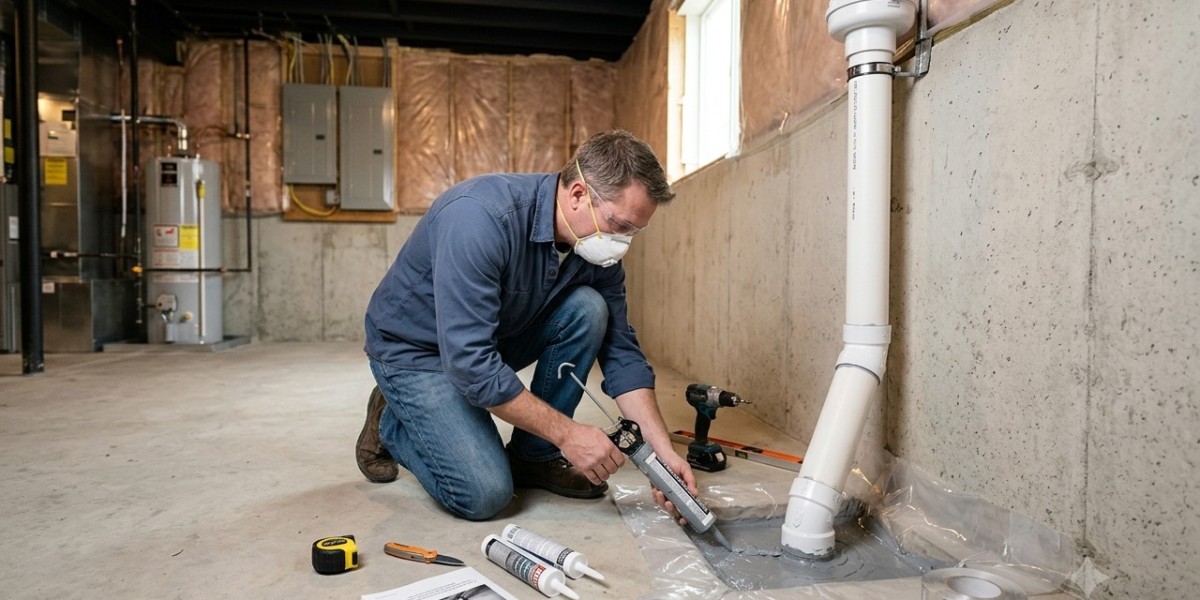


Radon is a naturally occurring radioactive gas that can enter homes and buildings through cracks, gaps, floor drains, sump pits, and other openings connected to the ground. Because radon is invisible, odorless, and tasteless, it can remain unnoticed unless a property is tested. For homeowners in Ottawa, understanding radon mitigation Ottawa services is an important step toward creating a healthier indoor environment.
Radon levels can vary significantly from one property to another, even between neighboring homes. This means that testing is the best way to determine whether mitigation is necessary. If elevated radon is detected, a professionally designed mitigation system can help reduce the concentration inside the building.
What Is Radon Mitigation?
Radon mitigation is the process of reducing radon levels inside a home or building. A mitigation system is generally designed to collect radon from beneath or around the building and safely redirect it outside before it can accumulate indoors.
One of the most common approaches involves installing a pipe through the foundation or floor. The pipe connects to a fan that creates negative pressure beneath the building. This helps draw radon-containing soil gas away from the occupied areas and exhaust it outdoors.
The exact system used depends on the property's foundation, construction, soil conditions, and radon test results.
Why Is Radon Mitigation Important in Ottawa?
Ottawa properties can have elevated radon because radon originates naturally from uranium-containing soil and rock. Since homes are built on different geological conditions, radon concentrations can differ considerably.
A house with a finished basement, crawl space, slab-on-grade foundation, or older foundation may have different pathways for soil gas to enter. Modern energy-efficient homes can also be relatively airtight, potentially allowing radon to accumulate if it enters the building.
The key concern is long-term exposure. Radon is classified as a known human carcinogen, and prolonged exposure to elevated levels increases the risk of lung cancer. This is why testing and appropriate mitigation are important components of indoor air quality management.
How Does a Radon Mitigation System Work?
A typical radon mitigation system works by controlling the air pressure beneath the building.
1. Testing the Property
The first step is usually a radon test. Testing establishes the property's radon concentration and helps determine whether further action is appropriate.
Long-term testing can provide a more representative picture of average radon exposure because radon levels can change with weather, ventilation, pressure differences, and seasonal conditions.
2. Identifying Entry Points
A professional may examine the foundation and identify potential pathways through which soil gas can enter the building. These may include cracks, construction joints, sump pits, floor drains, and service penetrations.
3. Installing the Collection Point
A collection point is created in an appropriate location, often through the basement slab or foundation. The collection point connects to PVC piping that carries soil gas away from the building.
4. Installing the Fan and Exhaust
A specialized radon fan creates suction beneath the foundation. The collected soil gas is then discharged safely outdoors through an appropriate exhaust location.
5. Post Mitigation Testing
Testing after installation is important because it helps determine whether the mitigation system has successfully reduced radon levels. A system should not simply be installed and forgotten; its performance should be monitored.
What Factors Affect Radon Mitigation in Ottawa Homes?
Every property is different, so there is no single mitigation solution that works for every building. Several factors can influence system design.
Foundation Type
A poured-concrete basement, block foundation, crawl space, or slab-on-grade property may require different mitigation approaches.
Soil Conditions
The ability of soil gas to move beneath a building can affect the type and capacity of the mitigation system required.
Building Size and Layout
Larger buildings or properties with multiple foundation sections may require more than one suction point or a more complex system.
Existing Ventilation
Heating, ventilation, and air-pressure conditions can influence how radon enters and moves through a property. Understanding these conditions can help professionals design a more effective system.
Can Sealing Cracks Eliminate the Need for Mitigation?
Sealing cracks and openings can be useful, but it should not automatically be considered a complete radon solution.
Radon can enter through multiple pathways, and some entry routes may be difficult to identify or completely seal. Foundation sealing can complement a mitigation system, but active soil depressurization is often used when radon levels require substantial reduction.
For this reason, homeowners should base decisions on testing results and professional assessment rather than assuming that sealing visible cracks alone will solve the problem.
How Much Does Radon Mitigation Cost in Ottawa?
The cost of radon mitigation can vary depending on the property and the complexity of the installation. Factors may include the foundation design, number of suction points, piping requirements, fan type, accessibility, electrical work, and any additional sealing or modifications required.
A straightforward basement installation may be less complicated than a large property with multiple foundation levels or difficult access.
Instead of choosing a mitigation provider based solely on the lowest price, homeowners should consider the quality of the assessment, system design, installation practices, equipment, warranty, and post-installation testing.
Why Should You Choose Professional Radon Mitigation?
DIY approaches may appear attractive because they can seem less expensive. However, an improperly designed system may not adequately reduce radon and could create other problems.
Professional mitigation can provide several advantages:
- Proper assessment of the property's radon entry pathways
- Appropriate system design
- Correct fan and pipe selection
- Safe outdoor exhaust placement
- Professional installation
- Post-installation testing
- Guidance on system maintenance and monitoring
A properly installed system should also be checked periodically to ensure the fan continues to operate and the system remains effective.
How Can Ottawa Homeowners Maintain a Mitigation System?
Once a mitigation system has been installed, maintenance is relatively straightforward but should not be ignored. Homeowners should periodically check that the system is operating normally and that the fan shows no obvious signs of failure.
Radon levels can also change over time because buildings, ventilation systems, foundations, and surrounding conditions can change. Periodic testing can therefore provide reassurance that radon concentrations remain controlled.
A digital radon monitor may also help homeowners observe changes over time, while professional testing can provide additional information when needed.
When Should You Consider Radon Testing?
Any Ottawa homeowner can consider testing because there is no reliable way to determine indoor radon levels based on a home's age, appearance, or location alone.
Testing may be especially valuable when:
- Buying or selling a property
- Renovating a basement
- Finishing a previously unfinished basement
- Moving into a new home
- Spending significant time in a basement
- Checking an existing mitigation system
- Testing after major foundation or ventilation changes
Testing provides the information needed to make an informed decision about mitigation.
Why Is Professional Assessment Worth Considering?
Radon mitigation is not simply about installing a pipe and fan. The effectiveness of a system depends on how well it addresses the building's specific conditions.
A professional assessment can help determine where radon is entering, how soil gas is moving beneath the building, and which mitigation strategy is most appropriate. This can reduce the risk of installing an ineffective or unnecessarily complicated system.
For homeowners searching for radon mitigation Ottawa, choosing an experienced provider that emphasizes testing, proper system design, installation quality, and follow-up can make the process much easier.
Looking for Radon Mitigation Services in Ottawa?
If you are concerned about elevated radon levels or want to learn more about professional mitigation options, visit out website to explore available radon mitigation information and services. Getting the property tested and understanding the appropriate mitigation approach can help you take practical steps toward improving indoor air quality.
Conclusion
Radon mitigation Ottawa services can play an important role in reducing indoor radon exposure when elevated levels are identified. Because radon is invisible and cannot be detected without testing, homeowners should avoid relying on assumptions about whether their property is safe.
Testing should generally be the starting point. If elevated radon is found, a properly designed mitigation system can help reduce concentrations by drawing soil gas from beneath the building and safely exhausting it outdoors. Professional assessment, correct installation, and follow-up testing can all contribute to an effective solution.
For Ottawa homeowners, understanding the connection between radon testing and mitigation is an important part of responsible home maintenance. Taking action based on reliable test results can provide greater confidence in the quality of the indoor environment.






