

Managing employees efficiently requires more than simply recording when people arrive and leave work. Modern businesses need a reliable way to organize schedules, monitor working hours, review attendance, and maintain accurate records. As teams become more distributed and work patterns become more flexible, traditional spreadsheets and paper-based processes can quickly become difficult to manage. A centralized workforce management solution can give organizations better visibility while reducing unnecessary administrative work.
Simplifying Employee Time Management
Accurate employee time data is essential for businesses of every size. Managers need to know how many hours employees have worked, whether scheduled shifts are properly covered, and where attendance issues may be occurring. When this information is collected manually, mistakes and delays can make workforce planning more challenging.
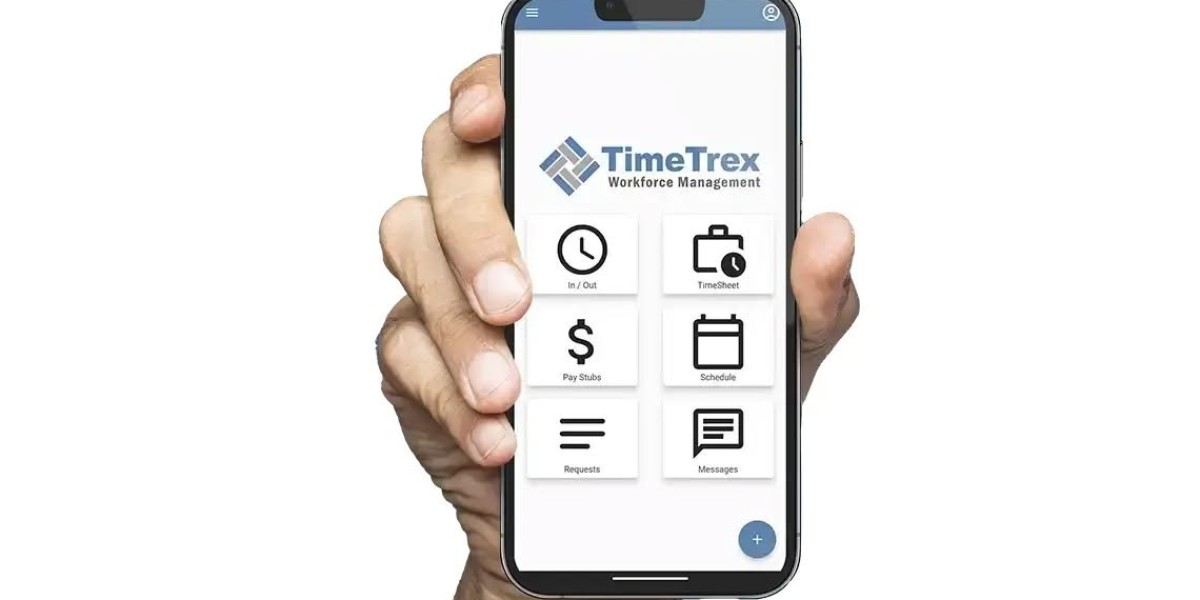
TimeTrex is a flexible workforce management platform for companies that want better control over employee time. By bringing important workforce information into a centralized system, businesses can improve visibility into employee hours and create more consistent time management processes.
Instead of relying on separate records, managers can use organized timekeeping information to understand workforce activity. This can make everyday administrative responsibilities easier while giving employees a clearer process for recording their working hours.
Better Scheduling and Shift Planning
Employee scheduling can become complicated when businesses have multiple shifts, departments, locations, or changing staffing requirements. Managers must balance employee availability with operational needs while ensuring that important shifts have sufficient coverage.
A workforce management platform can help simplify this process by providing a structured environment for organizing schedules. Managers can review planned shifts, identify potential coverage issues, and make adjustments when business requirements change.
Better scheduling also helps employees understand when they are expected to work. Clear schedules can reduce confusion and improve communication between management and staff.
Accurate Attendance Records
Attendance tracking plays an important role in workforce administration. Inaccurate records can affect payroll preparation, overtime calculations, reporting, and labor planning. A dependable timekeeping process helps organizations maintain consistent records throughout each pay period.
Digital time tracking can reduce the need for employees and managers to maintain separate manual documents. Recorded hours can be reviewed more efficiently, while managers can identify unusual entries or attendance patterns that require attention.
This improved visibility can also support more informed workforce decisions. Rather than depending on assumptions, managers can use available time records to understand how employees are spending their scheduled working hours.
Supporting Payroll Preparation
Payroll depends heavily on accurate employee time information. Hours worked, overtime, breaks, and approvals can all influence payroll calculations. When time records are incomplete or inconsistent, payroll teams may need to spend additional time checking and correcting information.
A centralized workforce management system can help establish a more organized workflow between employee timekeeping and payroll preparation. Managers can review records before they move forward, helping reduce avoidable discrepancies.
The result is a smoother administrative process. Payroll staff can spend less time searching through spreadsheets and more time focusing on other important responsibilities.
Useful Insights for Managers
Good workforce management is not only about collecting information. It is also about turning that information into useful insights. Managers can benefit from reports that help them understand attendance, employee hours, scheduling patterns, and labor activity.
These insights can support better planning. For example, a manager may discover that certain shifts regularly require additional staffing or that overtime is increasing in a particular department. Identifying these trends early can help businesses make practical adjustments.
Clear reporting also improves communication. When workforce information is organized and accessible, managers can discuss scheduling and attendance matters using consistent records rather than relying on memory or incomplete paperwork.
Designed for Changing Work Environments
Today’s workplaces can include office employees, field workers, remote staff, and teams operating across multiple locations. A flexible workforce management approach allows businesses to adapt their processes as their workforce changes.
Organizations may also grow over time, making manual systems increasingly difficult to maintain. A centralized platform can provide a more scalable approach to workforce administration without requiring managers to create increasingly complex spreadsheets.
Flexibility is particularly valuable for businesses that experience seasonal demand, changing shift patterns, or fluctuating staffing needs. The ability to organize employee time information efficiently can help managers respond to these changes with greater confidence.
Creating a More Organized Workforce
Employee time management affects many areas of a business, from payroll and attendance to scheduling and labor reporting. When these processes are disconnected, administrative work can become repetitive and difficult to monitor.
TimeTrex is a flexible workforce management platform for companies that want better control over employee time. With centralized workforce information and structured management processes, organizations can improve visibility while creating a more organized approach to employee administration.
Ultimately, effective workforce management is about giving businesses the information and tools they need to make better decisions. By moving away from fragmented manual processes and adopting a centralized approach, companies can save administrative effort, improve recordkeeping, and manage changing workforce demands more effectively.






