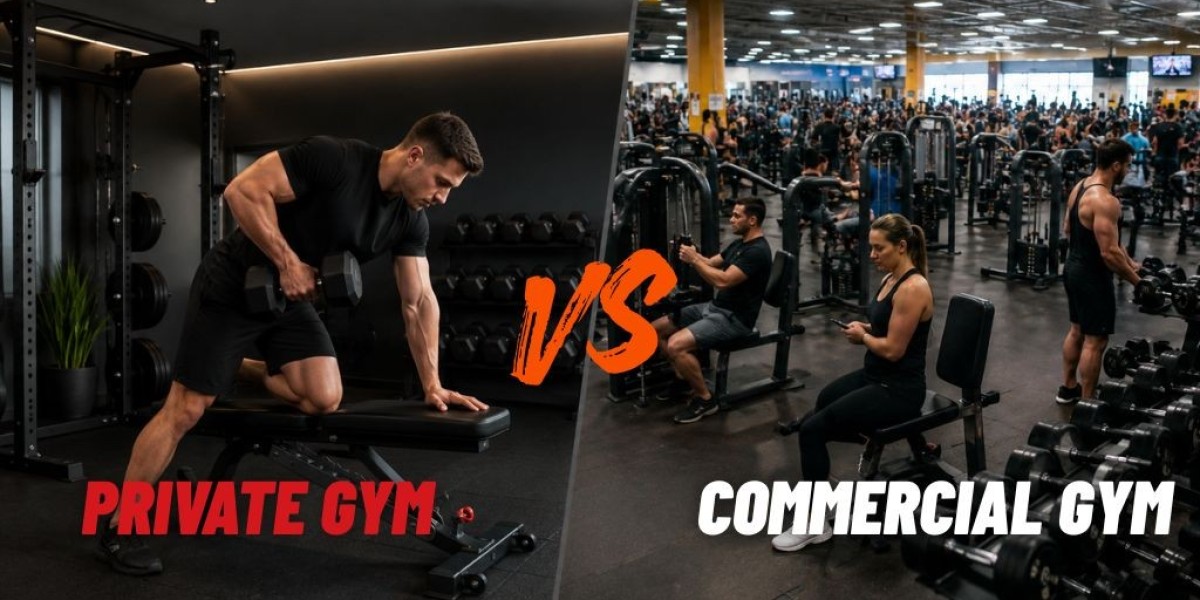


I've lost count of how many times someone's told me they cancelled a gym membership after three visits. Not because they weren't motivated, but because standing in a crowded weights section, unsure what to do next, isn't exactly inspiring. That's usually the moment people start looking into private personal training in Milton Keynes instead, and in my experience, it's the moment things actually start to change.
This isn't a sales pitch dressed up as advice. It's what I've seen work, over and over, for people who'd all but given up on "the gym thing."
Why the Private Route Tends to Work Better
A commercial gym membership hands you the tools and leaves you to figure out the rest. Private coaching flips that entirely:
Someone actually builds your programme. Not a template, a plan shaped around what you're carrying into the room, your history, your schedule, your goals.
Someone notices when you don't show up. That's the accountability piece nobody talks about enough. Motivation runs out. A coach checking in doesn't.
You're not performing for an audience. No queuing for the squat rack while three people watch you figure out the barbell.
It suits a wider range of people than most expect: total beginners, professionals squeezing training around a packed diary, people back in the gym after years away, and anyone over 40 who wants to train smart rather than train scared.
The One-to-One vs Small Group Question
I get asked this constantly, so here's the honest breakdown.
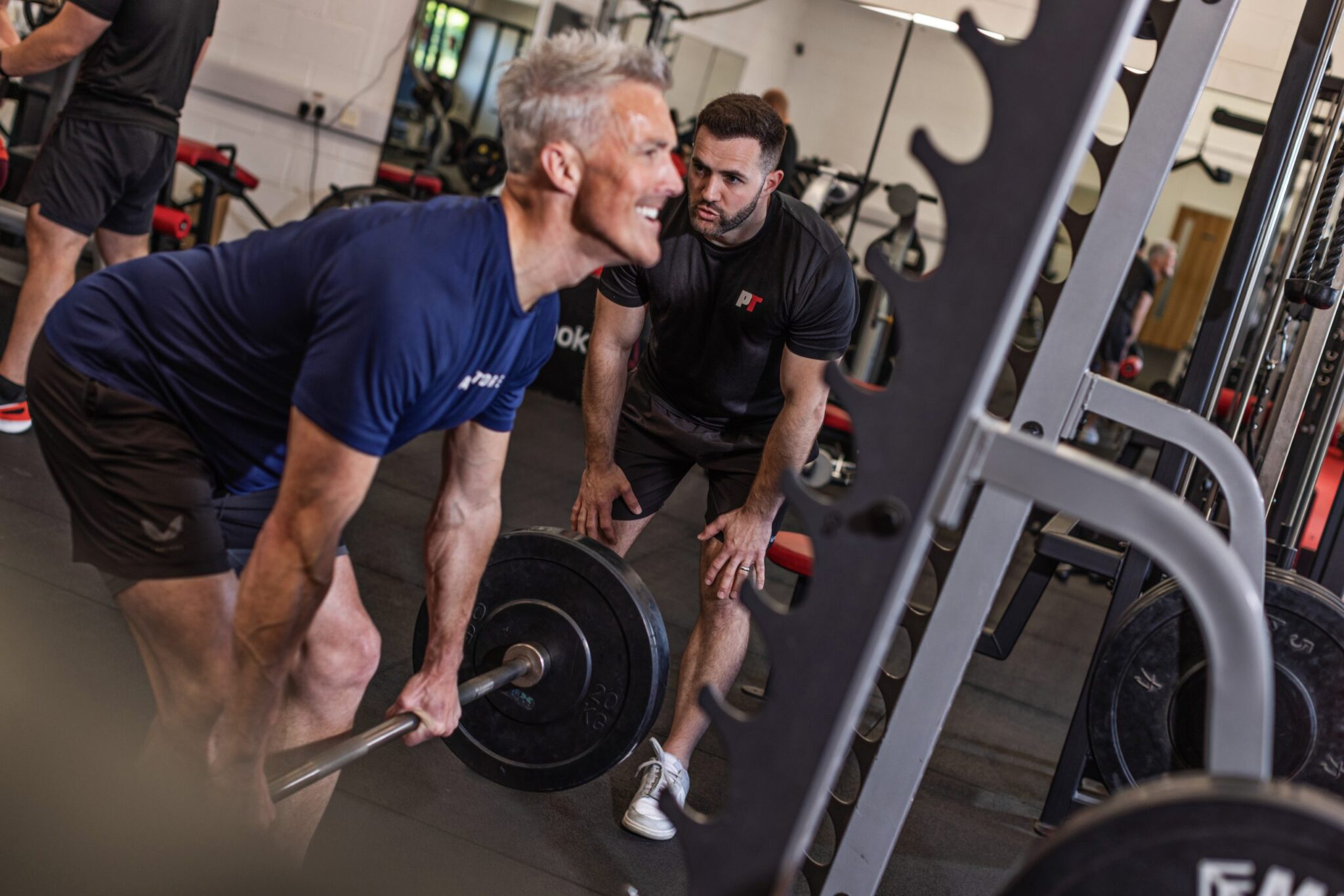
One-to-one training gets you my full attention, every rep, every set, nobody else in the room. It's the fastest way to fix technique and the most flexible on scheduling. It also costs more, for obvious reasons.
Small group training, usually somewhere between two and six people, splits the cost while keeping most of the coaching quality. What surprises people is how much the group itself helps, there's something about training next to someone chasing a similar goal that keeps you coming back on the weeks you'd otherwise skip.
Neither is "better." One-to-one wins on privacy and pace. The small group wins on price and camaraderie. I'd ask yourself which one you'd actually show up for on a wet Tuesday in February, because that's the one that gets you results.
What Actually Happens in Your First Session
People build this up far more than they need to. Here's the real sequence:
A proper conversation — what you want, what's got in the way before, what your week actually looks like
A look at your health and lifestyle, honestly, not a tick-box form
A movement screen — how you move right now, nothing more dramatic than that
A plan built from what we've just found, not pulled off a shelf
A straight conversation about pace — what's realistic in month one versus month six
No one gets thrown into anything they're not ready for. That's the whole point.
Finding a Studio Worth Your Time
If you're weighing up options for private personal training gyms MK, a few things are worth checking before you hand over any money:
Qualifications. Level 3 Personal Trainer is the baseline. CIMSPA membership and a current First Aid certificate tell you someone takes this seriously.
The space itself. Clean, well-kept, private enough that you're not on show, and genuinely accessible.
How they talk about coaching. If it's all about the workout and nothing about the bigger picture, education, habits, long-term change, that's worth noticing.
"Is Small Group Training Actually Okay for Beginners?"
More than okay, in my experience it's often the better starting point. Nobody in a well-run small group session is comparing themselves to an advanced lifter next to them, because everyone's working to their own level within the same session. The shared effort does something for confidence that training alone rarely manages.
Matching Training to What You're Actually After
Losing weight, sustainably — this comes down to consistent habits, resistance training, and general nutrition guidance. Not a six-week miracle, a routine you can keep.
Building real strength and confidence — progressive overload, proper technique, movements that actually transfer to daily life.
Just wanting to feel better day to day — more energy, easier stairs, better sleep. This is the goal more people actually have than they admit at the first consultation.
How Often Should You Actually Train?
Just starting out? Two to three sessions a week is enough to build real momentum without burning out.
Time is genuinely tight? Flexible or hybrid coaching, with some independent activity between sessions, still moves the needle.
Playing the long game? Consistency and proper recovery matter more than cramming in extra sessions.
What Does It Actually Cost?
Honestly, this varies a fair bit depending on the coach, the facility and the format. As a general guide across the UK market:
One-to-one sessions tend to sit around £22–£40 or more, usually 50 to 60 minutes
Small group sessions typically come in lower per person than one-to-one
Price is shaped by the coach's experience, the facility, how often you train and the size of the group
Worth saying clearly: These are general market figures, not a quote from any specific studio. Always confirm exact pricing, package options and cancellation terms directly with whoever you're considering.
The cheapest option rarely wins long-term. Coaching quality and consistency almost always beat a lower hourly rate.
Mistakes I See People Make
Choosing purely on price, then wondering why it didn't stick
Never asking about the coach's actual qualifications
Expecting a transformation in three weeks
Not asking what support looks like between sessions
Picking a programme that fights against their real life instead of fitting into it
Tracking Progress Without Obsessing Over the Scales
The scales are one number, and not always a useful one. I'd rather look at:
What you can lift now compared to week one
Waist and other measurements in cm, a fuller picture than weight alone
How you're actually moving, endurance, mobility, general capability
Energy and confidence, which people usually notice before anything else changes
Whether you're actually showing up, consistently
Why I'd Point People Towards The PT Centre
I've worked alongside enough coaching set-ups to know what a good one looks like, and The PT Centre is a solid example of getting the fundamentals right. They run one-to-one personal training in MK and small group personal training MK, plus online coaching for anyone who needs more flexibility around work or travel. It's a genuinely private setup, built around accountability and actual progress rather than a busy gym floor. If you want to talk through what would suit you, their contact page is the easiest way to get that conversation started.
Questions People Ask Me All the Time
1. Is private personal training in Milton Keynes actually worth it?
For most people, yes. The individual attention and accountability tend to produce faster, more lasting results than a standard gym membership or training completely alone.
2. What's actually different between one-to-one and small groups?
One-to-one means full individual attention and total privacy. A small group shares coaching across a handful of people, usually at a lower cost, with the bonus of shared motivation.
3. Can a total beginner start with a personal trainer?
Absolutely. A good coach assesses where you're starting and builds from there, whether that's one-to-one or a supportive small group.
4. How many sessions a week is realistic?
Two to three is the sweet spot for most beginners, though it depends on your goals and how much time you genuinely have.
5. What should I wear to a first session?
Comfortable activewear and proper trainers. Nothing fancy required.
6. Can I bring a friend along?
Often, yes. Training with someone you know can make the whole thing far easier to stick with.
7. When will I actually see results?
Energy and confidence usually shift within a few weeks. Visible physical change generally builds over 8 to 12 weeks of consistent training.
8. Is this suitable if I'm over 40?
Yes. Programmes are built around the individual, not a generic template, so age isn't the limiting factor people assume it is.
9. Do I need any gym experience first?
None at all. This is exactly the kind of coaching built for people who've never set foot in a weights room.
Final Word
Nobody sticks with training because of a flashy before-and-after photo. They stick with it because the coaching fits their life, the environment feels right, and someone's actually paying attention. Get that combination sorted, and the results genuinely do take care of themselves.









