

Growing a painting business sounds great on paper. More jobs, more trucks on the road, maybe a couple of crews running without you hovering over them. But there’s always that one fear chewing at the back of your head: If I grow too fast, the quality slips. And when quality slips, the reputation follows. That’s the part nobody wants to talk about.
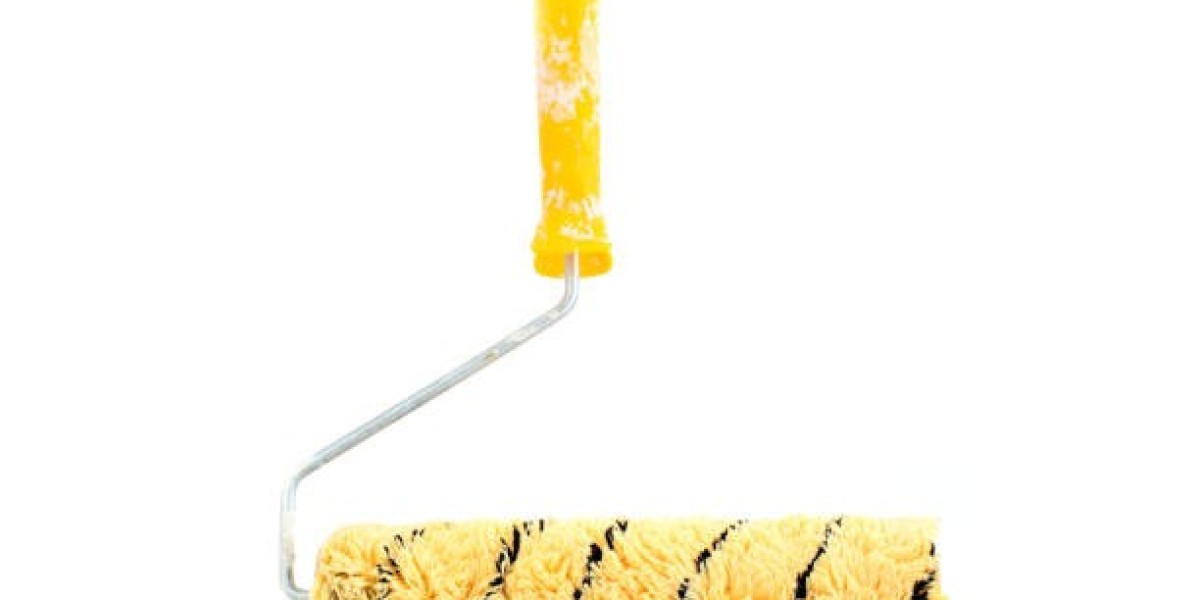
Some folks think scaling is just hiring more bodies and buying more gear. Nope. It’s a balance. And in that balance, even little choices—like using a solid 4 inch roller paint setup on trim or tight corners—matter way more than you think.
This isn’t meant to sound corporate or fancy. It’s just what I’ve learned watching too many contractors flame out because they chased volume and forgot the basics.
Why Scaling Gets Messy Fast
When you’re small, you can babysit every wall. Literally. You see your crew, you see the client, you see the results. Once you start adding teams, spreading across a bigger service area, taking on bigger projects… well, that’s when the cracks start showing.
Communication breaks down.
Prep gets rushed.
New hires don’t fully get your “standard.”
And worst of all, the customer notices before you do.
Quality control is easy to lose, but very hard to earn back. So you need systems. And no, I don’t mean stiff binders no one reads. I mean simple, repeatable stuff your crews actually use.
Build a Standard, Even If It Feels Annoying
Let’s be real. Most painters hate paperwork. And honestly, so do I. But if you're scaling, you can’t just rely on everyone “knowing” how you want it done.
Make a short, rough-around-the-edges standards guide. A cheat sheet. Not some 40-page manual. One or two pages, crews can screenshot.
Things like:
How do you want the surfaces prepped
Which tools for which jobs
What “good enough” is (and what it definitely isn’t)
The order of operations you follow on every site
If your guys are grabbing mismatched rollers from random brands or cheap brushes that bend after one cut-in, your brand turns into a guessing game. And clients hate guessing.
Hiring Slow, Training Fast—It Works
People rush to hire. I get it. You’re buried in jobs. Phones are blowing up. But if you hire quickly, you’ll end up firing even quicker. Or worse, keeping someone who quietly ruins five jobs before you notice.
Hire slow.
Train fast.
And training shouldn’t be lectures. It should be hands-on. Show them your workflow. Show them how you want tools cleaned. How you want lines cut. How you expect trim rolled instead of globbed up (honestly, using a 4 inch roller paint tool for trim is one of the easiest ways to standardize finishes… it's consistent, it's simple, and it cuts down on those wobbly brush lines).
Once you train them, test them. Not to be a jerk—just to make sure they actually understood it.
The Tools Make the Crew (More Than You Think)
Look, I’m not saying the tools make the painter. Skill matters. But the wrong tools absolutely ruin good work.
Especially when you're running multiple crews and trying to control quality across them all. You have to standardize tools. Pick the brands and stick with them. Stock them, label them, and replace them before they become junk.
This is where a lot of businesses get cheap. They'll spend thousands on leads and marketing, but hand a crew a pile of bargain-bin rollers.
For epoxy crews, you need to be even tighter with your tool choices. Somewhere in the middle of scaling is usually the moment people realize the best roller for epoxy is never the cheapest one. It’s the one that lays smooth, doesn’t shed, and doesn’t leave chatter marks that you have to buff out later. And once you choose the right one, make sure every crew uses the same one.
Consistency builds control. Control builds trust. Trust builds your brand. That simple.
Set Up Crew Leads… Even If You Think You Don’t Need Them
Some painters think they can run three crews with no leads. Just hire good people and hope. That’s a recipe for callbacks.
Every crew needs one person who’s the “final check.” Someone who owns the outcome. Doesn’t have to be perfect, just accountable. Give that person a checklist. Again—keep it simple. Five to eight points max.
Things like:
Edges clean?
Roller marks minimized?
Floor protection pulled and inspected?
Client walkthrough complete?
This stops so many problems before they hit your phone at 9pm.
Communication That Doesn’t Feel Like Corporate Nonsense
Forget long emails or group messages nobody reads. Keep it short.
Daily update from each crew:
What was done
What’s left
Any supply needs
Any problems brewing
You don’t need paragraphs. You need clarity. If they can text memes, they can text job status.
And for quality control? Use photos. Lots of photos. Walls, corners, trim, floors, whatever. Pictures don’t lie, and you can catch small things before they become big things.
Clients Notice the Little Things
When you scale, you sometimes forget how much clients look at tiny details. They notice clean edges, clean floors, and even clean tools. I’ve had customers comment on how organized our setup was before they even saw a finished wall.
That stuff builds confidence.
If your crews walk in with beat-up rollers or dirty trays, the client already thinks the job is going to be sloppy. But consistent tools, clean kits, same brand rollers, same process… it tells them this isn’t your first rodeo.
Don’t Let Speed Kill Your Standards
The moment you get busy, your crews will feel rushed. That’s normal. But speed kills quality faster than anything else.
So make this rule—say it out loud, write it on the wall, I don’t care:
Quality first. Speed second.
Because if you do it wrong, you’re doing it twice. And doing it twice is slow.
Sometimes that means saying no to a job. Or pushing a start date. Or splitting crews differently. Not fun, but it saves your brand.
Conclusion: Growth Is Good, But Not If It Costs Your Name
Scaling your painting business is doable. Plenty of people do it. But scaling while keeping quality tight—that’s where the real pros stand out.
And honestly, it comes down to a handful of things:
Clear standards.
Better tools.
Slower hiring.
Consistent communication.
A system that keeps the finish looking like your finish, no matter which crew did it.
You don’t need perfection. You just need consistency and a refusal to let quality slide, even when the schedule gets ugly.
Grow the business. Add crews. Take bigger jobs. Just don’t lose the thing that makes your work worth hiring in the first place.










