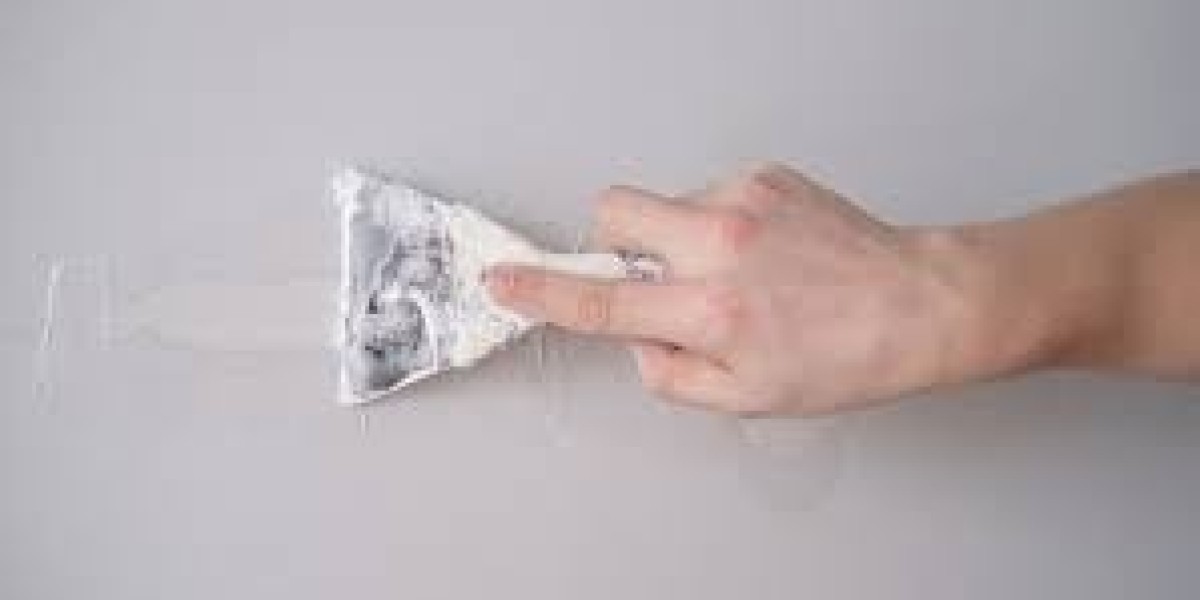


If you want smooth and clean walls, sanding your spackle at the right time is one of the most important steps. Many DIY painters rush too soon, which leads to dents, bumps, and uneven paint. Before you begin sanding, the first question you must answer is simple: How Long Does Spackle Take to Dry? Dry time always matters, but it matters even more when you want a perfect surface for painting.
At San Diego Home Remodeling, we help homeowners repair and refresh their walls every day. One of the most common mistakes we see is sanding before the spackle is fully dry. This guide explains the exact dry time you need, what affects it, and how to test your patch the right way.
Why Dry Time Matters Before Sanding
Spackle starts as a soft paste. As it dries, it becomes firm enough to sand into a smooth, paint-ready finish. If you sand too soon, the patch tears or crumbles. This ruins the texture and forces you to apply more spackle.
That is why understanding How Long Does Spackle Take to Dry before sanding is the key to a clean repair. Even people who search for answers like how long does spackle take to dry often overlook the difference between drying for painting and drying for sanding. Sanding always requires a longer wait.
Step-by-Step Timeline for Drying and Sanding
Below is a simple timeline to help you know when your spackle is ready.
0 to 20 minutes: Wet Stage
This is when the spackle is still soft, bright in color, and easy to reshape. Touching it at this stage will leave a mark.
20 minutes to 1 hour: Surface Dry Stage
The top layer begins to dry, but the inside remains soft. Many people think it is ready here, but it is not strong enough for sanding. Pressing lightly will still leave an indent.
1 to 2 hours: Partial Dry Stage
Small nail holes or thin layers may feel firm on the surface. However, deeper repairs still need more time. During this stage, the spackle may look dry but will crumble if sanded.
2 to 3 hours: Ready for Light Sanding
Most small repairs reach full dryness by this time if the room temperature is normal. For tiny patches, this is usually enough dry time to sand without damage.
3 to 5 hours: Fully Dry Stage for Larger Patches
Thicker layers, corner repairs, and deeper cracks usually need more time. At this point, the spackle becomes completely firm and ready for smoothing.
Understanding this basic timeline helps you decide How Long Does Spackle Take to Dry before sanding your specific repair.
What Affects Drying Time Before Sanding?
Even with a timeline, several factors change how fast your spackle dries.
Room Temperature
Warm rooms help spackle dry faster. Cold rooms slow the process. If the temperature drops too low, drying may take twice as long.
Humidity Levels
High humidity traps moisture in the spackle. Many homeowners near coastal areas notice slower drying and wonder how long does spackle take to dry in humid weather. The answer is simple: double the normal time.
Airflow
Proper airflow helps moisture escape. Still air slows the process. A fan can help speed up drying safely.
Type of Spackle
Lightweight spackle dries faster and is ideal for small repairs. All-purpose or heavy spackles take longer and need more patience before sanding.
Layer Thickness
Thin layers dry fast. Thick patches take more time. Applying spackle in thin layers helps you sand sooner and avoids cracks.
How to Tell If Spackle Is Ready to Sand
Instead of guessing, use simple checks to make sure your spackle is fully dry.
Color Check
Dry spackles look lighter than wet spackles. If the color is still dark or patchy, wait longer.
Touch Test
Gently run your fingertip across the surface. It should feel firm, smooth, and room temperature. If it feels cool, it still contains moisture.
Pressure Test
Press lightly with one finger. If the patch stays solid without denting, it is ready. If it feels soft, give it more time.
Using these checks helps prevent early sanding mistakes, especially when trying to figure out How Long Does Spackle Take to Dry in your home’s unique conditions.
How to Speed Up Dry Time Safely
If you are on a tight schedule, you can speed up drying without damaging the patch.
Use a fan for better airflow
Warm the room slightly
Apply thinner layers
Choose fast-dry spackle for small holes
Avoid using extremely hot air or placing heaters too close. Strong heat causes cracks, and then you will have to reapply spackle anyway.
When to Paint After Sanding
Once your spackle is dry and sanded smooth, you can move on to painting. Most homeowners doing DIY projects hire painting services in San Diego to get a cleaner finish, but DIY work is possible if you prep well.
After sanding, wipe off dust, prime the patch if needed, and then apply paint.
Final Thoughts
Repairing walls becomes much easier when you understand the right drying time. Knowing How Long Does Spackle Take to Dry before sanding keeps your walls smooth, prevents mistakes, and makes painting much simpler. Whether you are fixing a small nail hole or a larger crack, patience during the drying stage always gives you better results.
If you are planning a larger home update, many people search for home remodeling in san diego ca to explore upgrade options. And if you ever need help with repairs or painting, San Diego Home Remodeling is always ready to assist.










