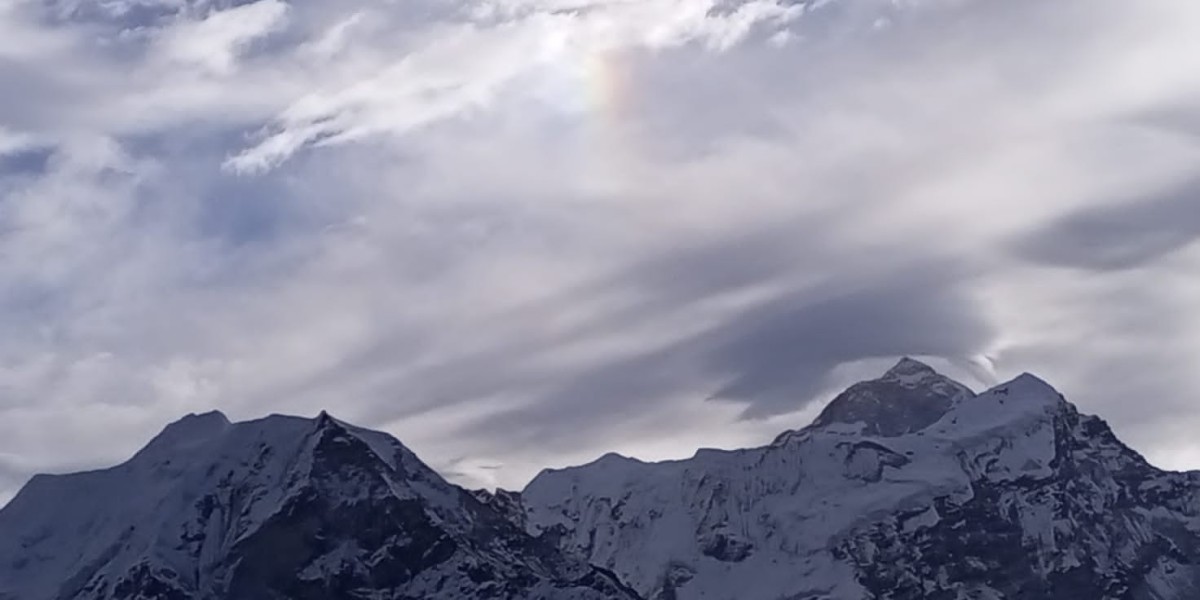


A trek in the Everest region to prepare for Mera Peak is a great way to gain fitness, confidence, and experience. Rough tracks, high-altitude villages, rocky trails, morning frosts, and long hikes all contribute to the Himalayan challenge. In addition, although Mera Peak lies in the isolated Hinku Valley, a trek in the Everest region can throw in many of the difficulties of a high-altitude expedition. A training trek should be tailored to your experience level and include gradual increases in both intensity and altitude.
Why Train in the Everest Region
The trails in the Everest region offer more than spectacular views. With their twists and turns, they provide excellent leg training and require a steady heart rate. Meanwhile, the thin air means that you have to pace yourself. Even more useful in preparing you for Mera Peak is the insight to be gained on tea house life, mountain weather, crossing bridges, and other Himalayan details. It all adds up to first-rate preparation for a high-altitude trek or expedition.
Namche Bazaar Practice Trek
Namche Bazaar is a great option for those with only limited high-altitude trekking experience. The practice trek should begin at a lower altitude than Mera Peak and include day hikes to acclimatize. Staying overnight in the village is a good way to get used to a higher altitude, while returning to Namche every evening eases the transition. A trek in this region is also a good way for less experienced hikers to test their equipment, including boots, a pack, clothing, water systems, and fitness levels before heading into the mountains.
Khumjung and Khunde Training Route
The trek around the neighboring villages of Khumjung and Khunde makes another excellent option for a short preparation trek in the Everest region. This trail will get your heart pumping and legs working, giving you a good workout for your Mera Peak climb. However, it also allows you to see the Khumbu, providing a taster of the adventure to come. To prepare for Mera Peak, it is best to focus on a steady pace rather than speed. Climbing and descending are crucial skills that should be practiced, especially as the Mera Peak trail has plenty of both.
Tengboche Preparation Trek
The trail to Tengboche is steeper than the route to Namche Bazaar. The long climb from the village includes a walk through the forest and up open slopes before arriving at the famous monastery. As a result, heading to Tengboche offers a great opportunity to practice slow trekking and to get used to the effects of reduced oxygen at higher altitudes. A Tengboche trek is an excellent choice for those with only limited high-altitude trekking experience. It is also a good way to progress from a lower-level practice trek before moving on to longer and more challenging journeys.
Everest Base Camp Preparation
The Everest Base Camp Trek is an excellent option for a Mera Peak preparation trek. This route includes several days’ walking and several high-altitude villages on the way. Spending several days walking at these altitudes is great training for acclimatizing, particularly as the Everest Base Camp itself lies at 5,364 meters. The trek to Everest Base Camp will get your body ready for the cold mountain temperatures and higher altitudes ahead. On the other hand, it will not prepare you for the technical aspects of climbing Mera Peak. In addition to crampons, an ice axe, ropes, and other equipment may be needed for some parts of Mera Peak, such as crossing glaciers.
Gokyo Valley Practice Trek
Those looking to gain extensive high-altitude trekking experience should consider the Gokyo Valley Trek. The route to Gokyo lakes includes the challenging walk up to Gokyo Ri. As a result, this trek makes a good training route, especially for those with prior trekking experience. It also gives you the chance to practice pacing yourself, as the higher you go, the slower you will have to walk. In addition, a high-altitude pass can be added to make the trek even more challenging if you are aiming for a serious endurance workout. However, Gokyo is not recommended for novice trekkers or those without sufficient preparation.
Everest Three Passes Preparation
The Everest Three Passes route is a tough trekking challenge involving Kongma La, Cho La, and Renjo La. It is an excellent way to gain high-altitude trekking experience, particularly for more experienced hikers. However, it is not the only way to prepare yourself for a Mera Peak climb. In fact, for less experienced trekkers, a gentler practice trek may be a better option. If you are after extensive high-altitude trekking experience, it will be worth the extra effort. On the other hand, there is no point in pushing yourself too hard when a simple trek will do. The aim is to gain experience and strength for your Mera Peak climb. The last thing you want is for a demanding practice trek to ruin your main expedition.
Building Endurance in the Khumbu
Endurance is paramount in preparing for a Mera Peak climb, and the trails in the Khumbu region provide a wonderful opportunity to gain it. In particular, the long days of hiking in the Everest region are ideally suited to developing your trekking endurance. However, the most important thing is to maintain a steady pace rather than trying to run or even walk too fast. It is even more important to pace yourself on the way down to avoid damaging your knees and muscles. The more prepared you are, the less likely you are to suffer on the long trails during your Mera Peak climb. Building up your fitness in advance will enable you to get more out of your practice trek. In the meantime, stair climbing, running, and gym workouts will provide you with extra endurance, while strengthening exercises will help to build muscle.
Practicing With a Backpack
Your practice trek is the perfect opportunity to get used to the pack you will be using for your Mera Peak expedition. It is important to remember that a heavy pack will affect the way you move, particularly when going uphill or down. As such, you must get used to the feel of a pack on your shoulders, hips, and back. You should also ensure that the pack is comfortable and not digging into any particular spot. If it takes only a few hours for an improperly packed pack to annoy you, imagine how it will feel after days of trekking. During your practice trek, you should get used to organizing your gear in the pack so that the items you need are easy to get to. At the same time, things such as rain protection, water, and snacks should not be buried at the bottom of the pack. It is always best to save time and trouble by using the extra time and space wisely.
Testing Clothing and Footwear
Testing your clothing and footwear in the Everest region is a great way to prepare for Mera Peak. In particular, mountain temperatures can fluctuate greatly, and it is always a good idea to have a reliable system of layers for warmth. Similarly, your boots must be comfortable, while your socks should help to minimize friction and keep your feet dry. It is best to get used to the rain jacket, thermal clothing, and other gear you plan to use for Mera Peak. If the weather permits, test other equipment, such as gloves and a hat. If something does not work, you now have time to replace it with something more suitable. In fact, it is always a good idea to use any practice trek to test your gear before the main expedition. In the end, that is the best way to avoid any unpleasant surprises on Mera Peak.
Learning Altitude Awareness
It is important to remember that a practice trek in the Everest region will provide only a limited opportunity to acclimatize for Mera Peak. In addition to being aware of the physical effects of altitude, you also need to know how to respond to unusual or potentially dangerous conditions. In particular, you should always inform your guide or porter if you feel unwell at any point during the trek. Mera Peak is a serious high-altitude expedition, and altitude sickness can be extremely debilitating. As such, it pays to be cautious and take things slow. In this way, it is possible to gain valuable experience and insight that will serve you well on your Mera Peak expedition.
Combining Trekking With Technical Training
The long hikes in the Everest region are important in preparing for Mera Peak, but they should not be the only part of your training. In particular, Mera Peak requires technical experience in crampons, an ice axe, and ropes, as well as snow and glacier travel. It is best to get this sort of training before heading out on a challenging trek. In short, it is always a good idea to separate technical training from high-altitude trekking. As such, a good preparation strategy for Mera Peak combines high-altitude trekking with fitness and technical training.
Choosing the Best Everest Practice Trek
There are many different options for a high-altitude practice trek in the Everest region. The best Mera Peak preparation trek will depend on an individual’s level of experience. With that said, less experienced trekkers should consider the easy practice trek around Namche Bazaar or the similarly straightforward options in Khumjung or Tengboche. Intermediate-level hikers might want to consider the challenging trek to Everest Base Camp or the Gokyo Valley. For more experienced trekkers, the Everest Three Passes challenge is also a good option. With all of these practice treks, it is important to consider the impact on your fitness before making your decision. At the same time, you also need to account for the amount of time you have available. In the end, the goal of any preparation trek is to get you in better shape for Mera Peak.






