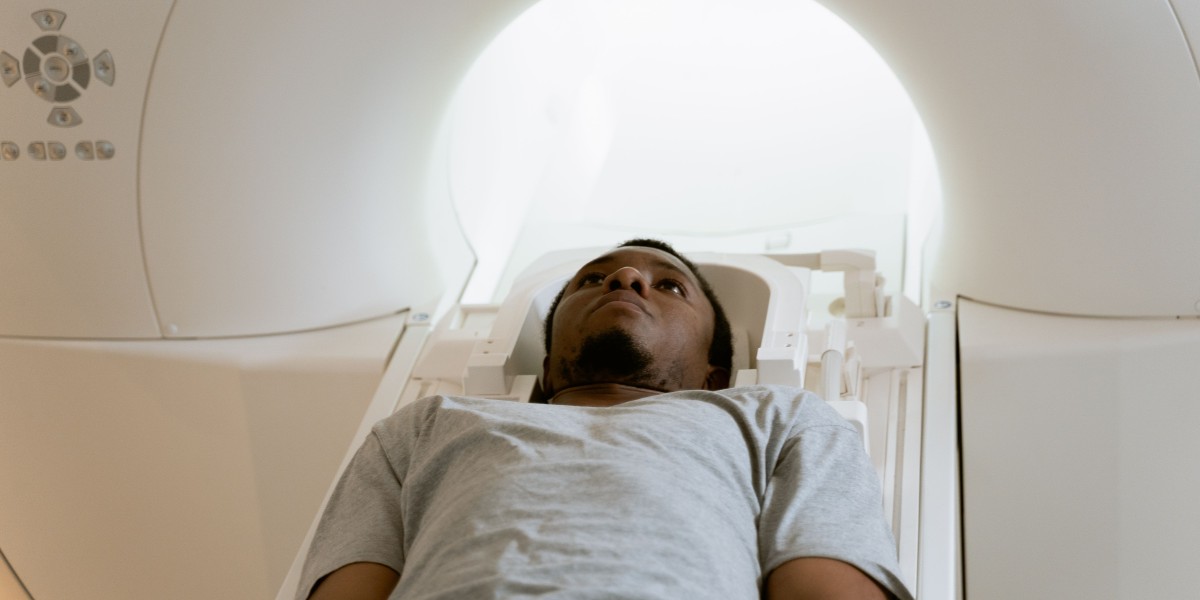


Depression can affect mood, motivation, sleep, concentration, relationships, and everyday activities. While many people benefit from treatments such as psychotherapy and medication, some continue to experience symptoms or may not respond adequately to traditional approaches.
For these individuals, magnetic therapy for depression may be an option to discuss with a qualified healthcare professional. Transcranial magnetic stimulation, commonly known as TMS, uses magnetic pulses to stimulate specific areas of the brain and offers a non-invasive treatment approach.
What Is Magnetic Therapy for Depression?
Magnetic therapy for depression generally refers to the use of magnetic stimulation techniques to influence activity in targeted areas of the brain involved in mood regulation.
TMS is one of the best-known clinical applications of this approach. Unlike treatments that require medication to circulate throughout the body, TMS uses a specialised device to deliver magnetic pulses directly to a targeted area of the brain.
The treatment is performed while the patient is awake and does not require surgery or general anaesthesia.
How Does TMS Work?
During a TMS session, a treatment coil is positioned near the patient's head. The device produces controlled magnetic pulses that stimulate nerve cells in a targeted region of the brain.
These areas are associated with mood and emotional regulation. Repeated stimulation may influence brain activity and neural communication involved in depression.
The exact treatment protocol depends on the patient's diagnosis, clinical history, and the type of TMS being used. A qualified provider can explain the recommended approach during an assessment.
Who May Consider TMS for Depression?
TMS may be considered for adults with depression when conventional treatment has not provided sufficient improvement or when additional treatment options are being evaluated.
A healthcare professional may consider several factors, including:
- The severity and duration of depressive symptoms
- Previous treatment history
- Response to medications or psychotherapy
- Current medications and medical history
- Other mental health or neurological conditions
- Individual treatment goals
Not everyone with depression will be suitable for TMS. An assessment is necessary to determine whether this treatment is appropriate.
What Happens During a TMS Session?
TMS is generally performed in a clinical setting while the patient remains awake and alert.
The treatment team positions the TMS equipment appropriately before delivering magnetic pulses. Patients may hear clicking sounds or feel tapping sensations during stimulation.
Treatment schedules vary, but TMS commonly involves a series of sessions rather than a single appointment. The provider will explain the expected schedule and duration based on the individual's treatment plan.
What Are the Potential Benefits?
One of the key advantages of TMS is that it is non-invasive. Patients do not need surgery, and they can remain awake during treatment.
For suitable patients, TMS may provide another treatment option when depression symptoms have not improved sufficiently with conventional approaches.
It may also be considered alongside an individual's broader mental health treatment plan. Treatment decisions should always be made with a qualified healthcare professional.
How Is TMS Different From Medication?
Antidepressant medications work through biochemical processes in the body, while TMS uses magnetic stimulation to target specific brain regions.
This does not necessarily mean one approach is better than another. Different patients respond differently to treatment, and some may benefit from medication, psychotherapy, TMS, or a combination of approaches.
A healthcare professional can review a patient's treatment history and help determine which options may be appropriate.
Is Magnetic Therapy Suitable for Everyone?
No. TMS is not automatically appropriate for everyone experiencing depression.
Before treatment begins, the provider will usually review the patient's medical history, current medications, previous treatments, and other relevant factors. Certain medical considerations may affect treatment suitability.
Patients should provide complete and accurate information during the assessment so the clinical team can make an informed recommendation.
What Should Patients Expect From Treatment?
It is important to have realistic expectations when considering TMS. Response to treatment can vary between individuals, and improvement may depend on several factors.
Patients should ask their provider about the recommended treatment schedule, potential side effects, expected outcomes, and alternative treatment options.
TMS should be considered as part of a personalised treatment plan rather than a guaranteed solution for depression.
Choosing the Right TMS Provider
If you are considering magnetic therapy for depression, selecting an experienced and qualified provider is an important step.
Look for a clinic where treatment begins with an appropriate clinical assessment and where the treatment plan is tailored to individual needs. A good consultation should give patients an opportunity to ask questions and understand what the treatment involves.
At TMS Hubb, patients can learn more about TMS and discuss whether this non-invasive treatment approach may be appropriate for their individual circumstances.
Final Thoughts
Depression can be challenging to manage, particularly when symptoms continue despite conventional treatment. TMS offers a non-invasive approach that may be considered for suitable patients following a professional assessment.
If you are exploring magnetic therapy for depression, speaking with a qualified healthcare professional can help you understand whether TMS may be a suitable option and how it could fit into your overall treatment plan.
Frequently Asked Questions
Is magnetic therapy the same as TMS?
TMS is a clinical form of magnetic brain stimulation. The terms may sometimes be used broadly, but patients should discuss the specific treatment being offered with their provider.
Is TMS invasive?
No. TMS is a non-invasive treatment and does not involve surgery.
How many TMS sessions are needed?
The number and frequency of sessions vary depending on the treatment protocol and individual patient needs.
Can TMS replace antidepressants?
TMS is not automatically a replacement for medication. A healthcare professional can advise whether it may be used as an alternative or alongside other treatments.









