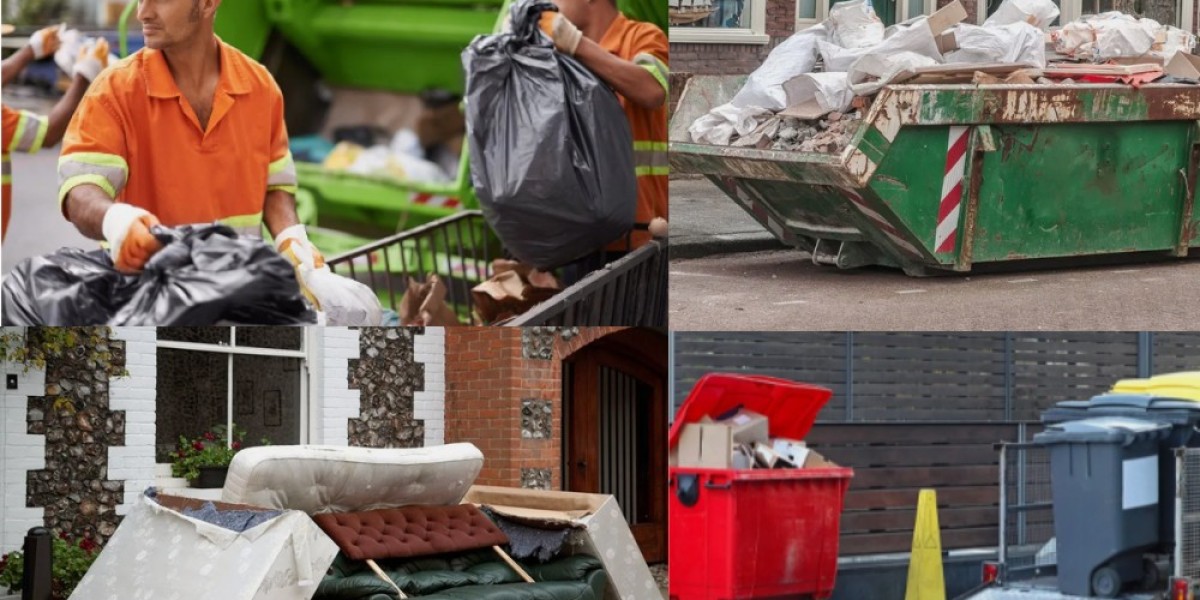


The commercial reality of managing a jobsite or clearing out a commercial property in Australia usually comes down to two bottlenecks: Skyrocketing landfill levies and tight council compliance windows. For years, booking waste removal services was all about watching a truck pull up, paying a flat rate per cubic metre, and hoping your mixed load didn't incur heavy contamination penalties. But now things are moving swiftly towards 2027, and Artificial Intelligence (AI) is quietly shifting the economics of how waste is processed, tracked and priced across the nation. AI, or artificial Intelligence, isn't about sci-fi robots picking up a garbage bag on your driveway. It's about managing backend logistics, automated sorting facilities, and predicting pricing models that directly impact how much Australian homeowners and small businesses pay to get rid of the waste.
Artificial Intelligence will not replace experienced operators involved in loading trucks or sorting difficult waste streams. But it will surely influence how collections are planned, how contamination is detected, and how businesses measure environmental performance.
AI WON'T REPLACE PEOPLE, BUT IT WILL CHANGE HOW WORK GETS ORGANISED
One misconception is that AI means fully automated rubbish collection, but this is not true at all, as there are local roads, regional distances and mixed streams that demand human judgement. Instead, AI is expected to work behind the scenes. Rather than relying on fixed collection schedules, AI-based models will analyse the following very smartly and on time.
● Seasonal waste volumes
● Traffic conditions
● Customer demand
● Fuel consumption
● Previous collection history
● Recycling trends
That information allows operators to plan more efficient routes before trucks even leave the depot.
Customers will not notice any major changes in the process. Collections occur when they are actually needed, rather than according to a calendar that no longer reflects how a property operates. For businesses that generate variable waste, this flexibility will reduce unnecessary collections and help them easily avoid overflow during busy periods.
SMART ROUTING WILL BECOME MORE VALUABLE AS COSTS RISE
Transport has always been one of the largest operating expenses for waste removal and management. Fuel prices fluctuate, and labour costs are increasing every day. Vehicle maintenance is also getting more expensive over time. AI-based routing systems can compare thousands of possible collection sequences within seconds. While experienced dispatchers and waste removal experts already know their local areas exceptionally well, AI tools will easily identify patterns that would be difficult to calculate manually across 100s of daily collections.
This will result in not just faster driving, but waste removal experts will experience the following benefits as well.
● Fewer kilometres travelled
● Reduced idle time
● Lower fuel usage
● Improved vehicle utilisation
● Fewer scheduling conflicts
For Australian businesses watching operating expenses closely, those incremental improvements add up over an entire year.
RECYCLING DECISIONS WILL BE MORE ACCURATE
One of the biggest challenges that Australian councils and commercial facilities experience is not just about bulk collecting waste. Contamination and incorrectly sorted material can reduce the recycling rate and increase processing costs. According to the Australian Government's National Waste Policy Action Plan, improving resource recovery depends on better waste separation throughout the supply chain.
WHAT IS THE ROLE OF AI HERE?
AI-powered image recognition systems are already being trialled internationally to identify contamination on the conveyor system, and they are doing this task far faster than manual inspection. It is worth understanding that this will not eliminate experienced waste removal workers and, in fact, provide them with better information about where contamination occurs and which materials require closer inspection.
For commercial customers, this could eventually produce clearer recycling reports rather than broad estimates.
WASTE REMOVAL EXPERTS MAY BECOME DATA PARTNERS
The role of waste removal experts is gradually expanding beyond collection. Businesses increasingly want evidence, and the questions they ask are changing now. Instead of asking: "CAN YOU EMPTY OUR BINS TWICE A WEEK?" organisations now ask:
● How much cardboard are we recovering?
● Which site generates the most mixed waste?
● Can we reduce disposal costs?
AI-based reporting systems will make these answers easier, and for companies reporting against environmental targets or internal sustainability goals, detailed waste data will become a valuable solution.
COMPLIANCE WILL BECOME EASIER
Waste regulations in Australia are evolving across different states and territories. While requirements vary a lot, record-keeping is becoming more important for commercial operators from a future point of view.
THE ROLE OF AI
Artificial Intelligence is going to simplify administrative tasks completely by automatically recording the following data.
● Collection times
● Waste volumes
● Recycling percentages
● Vehicle movements
● Service history
This information will help reduce manual paperwork and improve consistency, but there are some important factors to consider. For example, poor-quality data will result in poor decisions, and in case waste volumes are entered incorrectly or contamination isn't identified accurately, AI tools will simply process flawed information faster.
The bottom line is that technology cannot replace proper operational practices that humans are a part of.
BETTER FORECASTING WILL REDUCE UNNECESSARY WASTE
One of the most interesting developments isn't about collection, but about predicting the waste. AI tools will analyse historical purchasing patterns, seasonal demand and operational activities to estimate future waste generation for waste removal experts. For example –
- Retail businesses approaching Christmas
- Hospitality venues during major events
- Construction projects entering demolition phases
- Warehouses preparing for inventory changes
Knowing these patterns in advance will allow businesses to adjust the collection schedule before bins overflow or trucks are dispatched unnecessarily. This proactive approach is going to benefit both waste removal and customers. The most valuable role of AI in waste management will not be about faster rubbish collection. It will help businesses create less waste before collection is even required. This shift from reactive collection towards predictive planning could become one of the industry's most significant changes experienced over the decade.
PRACTICAL CHANGES THAT HOME OWNERS WILL NOTICE
Most homeowners will not interact directly with AI, but they will definitely experience better waste removal-related results. Potential improvements include the following.
● Fewer missed collections
● More accurate notifications about collection times
● Improved recycling guidance
● Faster customer support
● Better planning during public holidays or severe weather events
Convenience will be the most visible benefit for homeowners and for businesses, better reporting and operational efficiency are likely to deliver the greatest value.
FREQUENTLY ASKED QUESTIONS
WILL AI MAKE WASTE REMOVAL CHEAPER BY 2027?
Sometimes. If your bin is rarely full, usage-based pricing will cut costs. But compliance-tracking and sorting fees mean total project costs for renos and cleanouts will likely rise by 15–25% vs. 2024.
DO I NEED TO SORT MY RUBBISH MORE BECAUSE OF AI?
Yes. Camera AI at depots detects mixed loads automatically. Plaster, food, and E-waste in the wrong bin trigger reclassification fees. Councils in VIC and SA already enforce this.
CAN WASTE REMOVAL EXPERTS STILL DO SAME-DAY JOBS WITH AI ROUTING?
Easier in metro areas. AI can slot urgent jobs into existing runs if a truck has capacity. But if sensors show all trucks full, you'll get pushed.
IS MY BIN DATA PRIVATE?
For single homes, yes. For apartments or shared commercial spaces, corporates can access volume data. No personal waste is identified, but usage patterns are. Check your strata bylaws.
WHAT'S THE BIGGEST MISTAKE SMEs MAKE WITH NEW WASTE TECH?
Signing flat-rate contracts in 2026 that run into 2028. You'll miss the savings from sensor billing. Ask for a 6-month review clause.
WILL AI REPLACE DRIVERS OR WASTE REMOVAL CREWS?
No. It replaces clipboards, not people. But crew sizes may drop on high-density runs because routes are tighter. OH&S and heavy lifting still need humans.
DOES AI HELP WITH ILLEGAL DUMPING ON MY PROPERTY?
Indirectly. Some councils use AI cameras to catch dumpers, and contractors can provide timestamped clean-up reports for insurance. But prevention is still on you — fencing, lighting.
ARE THERE GRANTS FOR SMALL BUSINESSES TO GET SMART BINS?
Some councils ran trials in 2024–2025. Check with your local authority and AusIndustry. From 2027, costs will likely sit with contractors, not clients.
LOOKING AHEAD
Artificial Intelligence will not change the purpose of waste management, but it'll definitely change how decisions are made before a truck ever leaves the depot. Better forecasting, smarter routing and clearer reporting can improve efficiency without replacing the experience that reliable waste services have always depended on.
For Australian homeowners and business owners, the most practical approach is to look beyond collection alone. Expectations will continue to change and selecting providers that invest in operational improvement, transparency and long-term resource recovery is likely to be more valuable than simply focusing on price. Staying abreast of these changes will make future waste management decisions easier and more effective.








