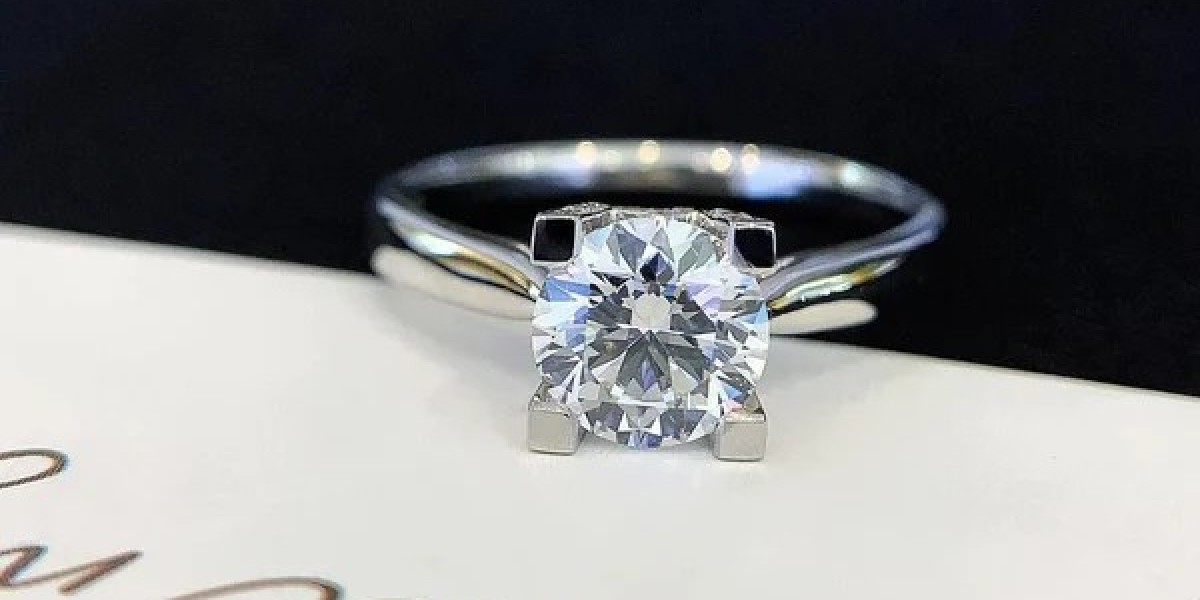


An engagement ring is more than a piece of jewelry. It often becomes a lasting reminder of an important moment, carrying emotional meaning while also reflecting the personality and style of the person who wears it. As jewelry preferences continue to evolve, couples are exploring designs that feel traditional enough to remain timeless while offering a distinctly modern appearance.
Among the styles attracting attention today, pavé lab diamond rings stand out for their detailed appearance and exceptional sparkle. The pavé technique brings numerous small diamonds together across the surface of a ring, creating a continuous impression of brilliance. Instead of directing all attention toward one center stone, this design allows the entire ring to participate in the visual effect.
The growing availability of lab-grown diamonds has added another dimension to this classic setting. Lab diamonds provide an option for shoppers who are interested in diamonds produced through modern technological processes while retaining the fundamental characteristics associated with diamonds. When combined with an intricate pavé setting, they create a style that can suit both traditional romantics and contemporary jewelry enthusiasts.
What makes these rings particularly interesting is their versatility. A pavé design can be delicate and understated, bold and glamorous, vintage-inspired, or completely modern depending on the proportions, metal, center stone, and placement of the smaller diamonds. Understanding these details can help shoppers appreciate why this style has become such an appealing choice for engagement jewelry.
What Makes Pavé Lab Diamond Rings So Captivating?
The term “pavé” refers to a jewelry-setting technique in which small diamonds are placed closely together along a surface. Tiny beads or prongs help secure the stones, while the minimal visible metal between them creates the appearance of a diamond-covered band.
This arrangement is responsible for much of the style's distinctive beauty. When light reaches the numerous stones, each diamond can contribute its own flashes of brilliance. The result is a ring that can appear bright and lively from different angles.
Unlike a design that relies almost entirely on a single center stone, pavé jewelry distributes visual interest across the ring. The shoulders of the band can frame the center stone while also adding sparkle around it. This makes the ring look detailed without necessarily requiring an extremely wide band.
Another appealing quality is the way pavé diamonds can enhance the appearance of a center stone. The surrounding sparkle can draw the eye toward the main diamond, creating a stronger sense of contrast and definition. Depending on the design, the pavé setting may make a center stone appear more prominent while maintaining a graceful overall profile.
Taking time to explore collection of pave engagement ring choices allows shoppers to evaluate how band width, setting patterns, and metal finishes interact. Looking beyond surface brilliance to assess how center-stone geometry and profile depth work together ensures you choose a cohesive, masterfully balanced piece built for long-term wear.
The Modern Appeal of Lab-Grown Diamonds
The popularity of lab-grown diamonds has changed the way many people approach diamond jewelry. Rather than viewing diamond selection as a choice limited to traditionally mined stones, modern shoppers can consider diamonds created through controlled laboratory processes.
Lab-grown diamonds have the same basic chemical composition and crystal structure as naturally formed diamonds. Their origin is the primary distinction. They are produced using advanced methods designed to replicate the conditions under which diamonds develop, allowing manufacturers to create diamonds with the characteristics buyers associate with this gemstone.
For shoppers, the appeal can extend beyond the diamond itself to the broader buying experience. Modern consumers often research the characteristics, origin, quality, and design of jewelry before making a purchase. Having more options allows them to focus on the features that matter most to them.
This is particularly relevant to pavé rings because the design incorporates multiple diamonds. Instead of making the entire visual impact dependent on one exceptionally large stone, a pavé ring creates brilliance through the combined effect of numerous smaller diamonds.
Consistency is especially valuable in a pavé arrangement. If the smaller diamonds differ significantly in appearance, the band may look less cohesive. Carefully matched stones help create the smooth, continuous effect that defines the style.
How to Choose a Pavé Design That Fits Your Style
Finding a beautiful ring is one thing; finding a ring that feels right for the person wearing it is another. Because pavé designs can vary considerably, it helps to consider lifestyle and personal style before making a final decision.
One of the first things to consider is the amount of diamond coverage. Some rings feature pavé diamonds primarily along the upper portion of the band. This provides noticeable sparkle while keeping the overall design relatively simple.
Other designs use more extensive diamond coverage to create a stronger statement. These rings can be particularly appealing to people who enjoy jewelry with plenty of visual detail.
For shoppers who want to compare different styles, explore collection of pave engagement ring designs while paying attention to the setting pattern, center-stone shape, band width, metal finish, and overall proportions rather than focusing only on the amount of sparkle.
Comfort is another factor that should not be overlooked. Engagement rings are often worn frequently, sometimes every day, so the ring should feel natural on the finger. A setting that is unnecessarily high or has rough edges may become inconvenient over time.
The intended lifestyle matters as well. Someone who regularly works with their hands may prefer a secure, streamlined setting. A person who removes their ring during physical activities may have more flexibility when considering elaborate details.
Caring for a Pavé Lab Diamond Ring
The intricate beauty of pavé jewelry also means that proper care is important. Because the design contains many small stones and detailed setting work, routine maintenance can help preserve its appearance.
Regular cleaning is a simple place to start. Everyday substances such as hand lotion, soap, dust, and cosmetic products can collect around the diamonds and reduce their brilliance. Gentle cleaning with an appropriate jewelry-cleaning method can help remove buildup and restore the stones' shine.
The ring should also be inspected periodically. A professional jeweler can examine the tiny prongs or beads holding the diamonds and identify signs of wear. Catching a loose stone or weakened setting early can help prevent a more significant problem.
How the ring is stored also matters. Keeping it separately from pieces with rough surfaces or sharp edges can reduce the possibility of scratches or accidental damage. A soft-lined jewelry box or individual jewelry pouch can be a practical solution.
It is also sensible to remove an engagement ring during activities that could place unnecessary stress on the setting. Heavy lifting, certain sports, gardening, and other situations involving repeated impact or snagging may increase the risk of damaging delicate details.
Care does not have to be complicated. The important thing is consistency. A few simple habits can help keep a pavé ring looking polished and allow potential setting issues to be addressed before they become serious.
Why This Style Continues to Stand Out
The appeal of pavé lab diamond rings ultimately comes from their ability to combine several qualities that modern couples value. They can look sophisticated without feeling overly formal, provide substantial sparkle without depending exclusively on a large center stone, and offer enough design flexibility to accommodate different tastes.
There is also something timeless about the pavé technique itself. While diamond jewelry trends change, the concept of using many small stones to create a field of brilliance has remained popular for generations. Modern lab-grown diamonds give designers another way to reinterpret that established technique.
The result is a style that can move comfortably between classic and contemporary aesthetics. A simple pavé band can complement minimalist fashion, while a more elaborate version can become the focal point of a complete bridal look.
Another strength is its potential for personalization. The same setting technique can look completely different when paired with different center stones, metals, band widths, and proportions. This allows couples to select a ring that feels connected to their own preferences rather than simply reproducing a standard design.
For an engagement ring, that individuality can be particularly meaningful. The piece is likely to become part of everyday life, appearing in photographs, celebrations, professional settings, and ordinary moments. A versatile design has the advantage of remaining appropriate across all of those occasions.
Conclusion
Pavé lab diamond rings represent an appealing meeting point between traditional jewelry craftsmanship and contemporary diamond preferences. Their closely arranged stones create a distinctive sense of continuous sparkle, while the flexibility of the setting allows designers to create everything from understated bands to highly detailed statement pieces.
The growing interest in lab-grown diamonds has further expanded the possibilities available to modern engagement-ring shoppers. With thoughtful attention to cut quality, setting craftsmanship, metal choice, center-stone proportions, comfort, and maintenance, buyers can select a ring that is both visually striking and practical for everyday wear.
Antiquecut is one example of a jewelry brand offering designs within this evolving category, giving shoppers an opportunity to consider how pavé detailing and lab-grown diamonds can work together in contemporary engagement jewelry.
Ultimately, the beauty of a pavé lab diamond ring is not limited to the number of stones or the amount of sparkle it produces. Its real appeal lies in the way individual details come together to create a cohesive piece. For couples seeking an engagement ring that feels elegant, expressive, and relevant to modern jewelry preferences, this style offers a compelling combination of brilliance and individuality.






