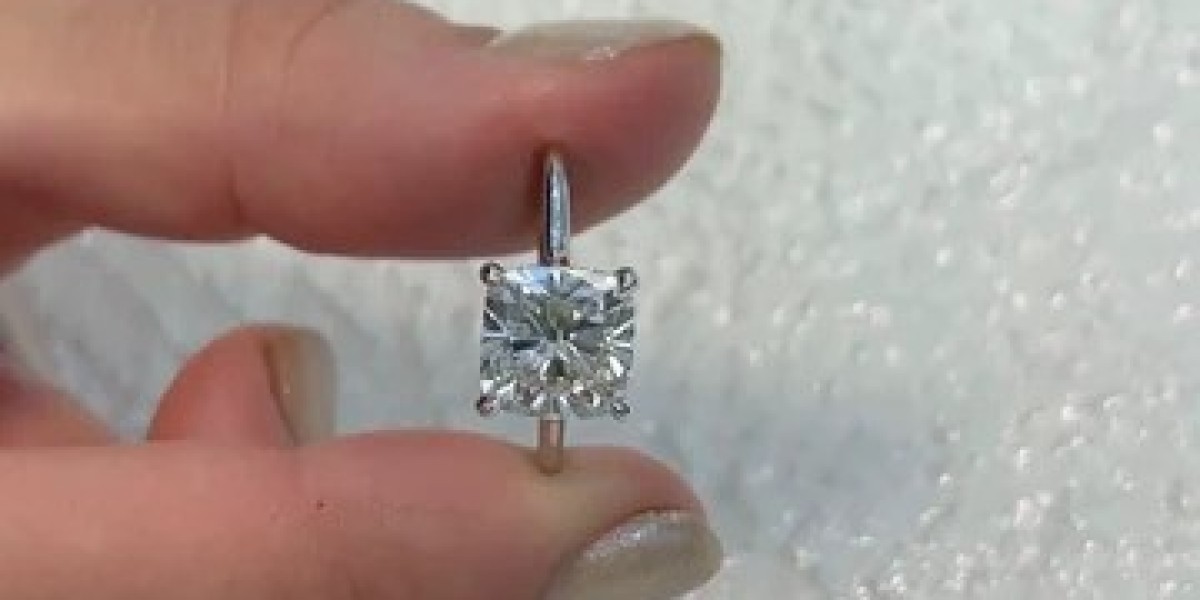


How to Choose the Right Cushion-Cut Diamond Shape for Your Style
Choosing a diamond shape is one of the most personal decisions when selecting an engagement ring. While round and oval diamonds remain popular, cushion cuts offer something different through their combination of soft corners, broad surfaces, and varied proportions. One cushion can appear compact and vintage-inspired, while another may look longer, slimmer, and more contemporary, even when both have the same carat weight.
This difference makes proportion especially important. A buyer who knows what to look for can select a diamond that complements their preferred jewelry style instead of choosing based only on carat weight or photographs.
For anyone considering an elongated cushion design, understanding length-to-width ratio, faceting, corner shape, setting style, and metal color can make the comparison process much easier. The right combination can create a piece that feels balanced and personal without relying on trends alone.
Understanding Cushion-Cut Diamond Proportions
Cushion-cut diamonds are known for their rounded corners and generally square or rectangular outlines. However, there is considerable variation within the shape. Some cushions have nearly equal length and width, creating a square appearance, while others have noticeably greater length, giving them a more rectangular profile.
The length-to-width ratio is one of the easiest ways to understand this difference. A ratio close to 1.00 generally produces a square-looking outline. As the ratio increases, the diamond becomes more elongated.
There is no universally correct ratio because personal preference plays a major role. Someone who likes traditional-looking jewelry may prefer a cushion with a more balanced outline. A person who wants a longer visual profile may be drawn toward an elongated version.
The ratio should also be considered alongside the actual appearance of the diamond. Two diamonds with similar measurements can still look different because of their faceting arrangement, depth, and outline.
Carat weight should not be viewed independently either. A diamond's weight describes how much it weighs, but measurements determine how that weight is distributed. This is why two diamonds with the same carat weight can have different face-up sizes and proportions.
When comparing options, pay attention to:
Length and width measurements
Length-to-width ratio
Depth percentage
Table percentage
Corner shape
Facet pattern
Face-up appearance
These details provide a better understanding of the stone than carat weight alone.
What to Look for When Comparing Elongated Designs
An elongated cushion can be a strong choice for someone who wants the rounded character of a cushion cut with a more stretched silhouette. However, not every elongated cushion will have the same visual effect.
The first factor to examine is proportion. A moderately elongated cushion can retain a substantial, balanced appearance, while a more extended outline can create a slimmer look. Neither is automatically better. The preferred ratio depends on how the diamond looks on the hand and how it works with the chosen setting.
Faceting is equally important. Cushion cuts can feature different facet arrangements, and these influence how the diamond interacts with light. Some have larger, broader facets that create distinct flashes, while others show a more intricate pattern.
Rather than focusing on one grading characteristic in isolation, examine the diamond as a whole. Look at the outline, symmetry, facet distribution, and how the stone appears from different angles.
Pay Attention to the Corners
The corners are an important part of the cushion-cut identity. They soften the rectangular outline and help distinguish the shape from cuts with sharper edges.
Some cushions have corners that are more rounded, giving them a softer appearance. Others have slightly more defined corners, which can make the outline appear structured.
This detail becomes particularly noticeable when the diamond is placed in a simple setting. With fewer surrounding details, the outline becomes a major part of the overall design.
Consider Face-Up Size
Measurements can help you understand how much surface area a diamond presents when viewed from above. A well-proportioned elongated cushion may create a noticeable lengthwise presence without needing an unusually high carat weight.
However, larger measurements do not automatically mean better quality. A diamond can have impressive dimensions but still lack the visual qualities a buyer wants.
This is why photographs, videos, and detailed specifications are useful during the selection process. Whenever possible, compare diamonds under similar viewing conditions.
Matching the Diamond Shape With Your Personal Style
Once you understand the proportions, the next step is deciding what kind of jewelry aesthetic fits you.
For a person who prefers understated designs, an elongated cushion paired with a simple setting can keep attention on the center stone. A solitaire-style design, for example, allows the outline and proportions of the diamond to become the main visual feature.
Someone who enjoys more detail may prefer a setting that includes smaller diamonds around the center stone or along the band. The surrounding design can change the overall impression without changing the center diamond itself.
Metal color also influences the final appearance.
White Gold and Platinum
White metals create a clean setting around the diamond and can provide a neutral backdrop. They work particularly well for people who prefer a crisp, contemporary jewelry style.
Yellow Gold
Yellow gold creates stronger color contrast against a white diamond and can introduce a warmer character. It may also appeal to those who like jewelry with a traditional or fashion-forward appearance.
Rose Gold
Rose gold brings a softer, warmer tone to the design. It can be especially appealing when paired with a delicate setting or a diamond with a romantic, rounded outline.
The setting should complement the diamond rather than compete with it. If the center stone has a distinctive elongated shape, an overly complicated setting may distract from its proportions.
Choosing a Setting That Complements the Cushion Shape
The setting plays a major role in how the diamond looks once it becomes part of a finished piece. Even the same center stone can appear noticeably different depending on the number of prongs, band design, and surrounding details.
A four-prong setting can provide a clean presentation while allowing more of the center stone to remain visible. More secure or protective designs may use additional prongs, particularly around the rounded corners.
A halo can visually increase the overall footprint of the design by surrounding the center diamond with smaller stones. This approach works well for someone who wants a more detailed appearance.
A bezel setting provides a different aesthetic by placing a metal rim around the diamond. It can create a sleek outline while adding protection around the edges.
For those who prefer a traditional look, a cathedral setting can raise the center diamond and create a structured profile. A lower-profile setting may be more practical for someone who prefers jewelry that sits closer to the finger.
The band width should also be considered. A narrow band can make the center diamond appear more prominent, while a wider band can create a stronger visual balance. There is no single ideal combination because proportions should work together according to the wearer's hand and personal preferences.
For shoppers comparing styles, it can help to browse an elongated cushion engagement ring collection and compare how different proportions and settings change the appearance of the finished design.
Making the Final Choice With Confidence
After narrowing down the shape, proportion, setting, and metal, it is useful to create a short list rather than trying to compare dozens of diamonds at once.
Start by deciding which characteristics matter most. For example, you may prioritize a longer outline, a particular facet pattern, a specific metal, or a minimalist setting. Once those priorities are clear, eliminate options that do not match them.
Next, compare diamonds using consistent information. Look at their measurements, proportions, certification details, photographs, and videos where available. Comparing one diamond through a high-resolution image and another through a low-quality photograph can make the process misleading.
It is also worth considering how the diamond looks from different angles. A front-facing photograph shows the outline, but side views can reveal the setting height and overall profile.
Comfort should not be overlooked. Engagement jewelry is typically worn frequently, so the height of the setting, band profile, and edges can influence everyday wear.
Budget is another important consideration. Instead of setting the budget around carat weight alone, consider the complete design. A slightly smaller center stone with proportions you genuinely prefer may be more satisfying than choosing a larger stone simply because of its weight.
For shoppers comparing different elongated cushion designs, Antiquecut offers options that can help illustrate how diamond proportions and setting details work together in a finished piece.
Conclusion
Choosing the right cushion-cut diamond shape is ultimately about finding a balance between proportions, appearance, setting, and personal taste. The cushion cut offers plenty of flexibility, from compact square outlines to longer rectangular profiles, making it possible to find a design that feels distinctive without moving away from the soft character of the shape.
When comparing elongated options, pay close attention to the length-to-width ratio, facet pattern, measurements, corners, and face-up appearance. Then consider how the diamond will interact with the setting, metal color, band width, and overall design.
Rather than choosing solely by carat weight or following a popular style, focus on the characteristics that matter most to you. A carefully selected cushion-cut diamond can become a meaningful piece of jewelry because its proportions and design reflect the person wearing it.
The best choice is not necessarily the largest stone or the most elaborate setting. It is the one whose shape, proportions, and design feel right when viewed together and suit the way you want your jewelry to look and feel every day.









