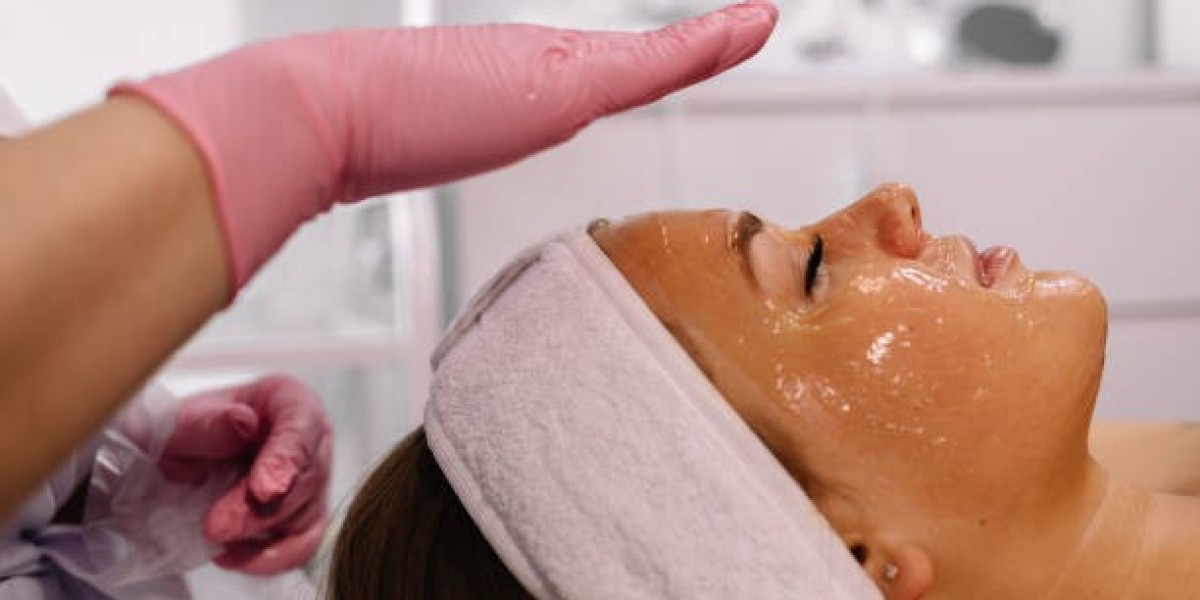


Chemical peels are one of the most popular treatments for skin rejuvenation, offering solutions for various skin concerns such as dullness, wrinkles, acne scars, and uneven pigmentation. Understanding the difference between types of chemical peels is essential for choosing the right treatment that matches your skin needs and lifestyle. chemical peels in Riyadh Among these, light and deep chemical peels are two common categories, each bringing distinct benefits, recovery times, and effects.
What Are Light Chemical Peels?
Light chemical peels are the mildest form of skin resurfacing treatments. These peels mainly affect the outermost layer of the skin, known as the epidermis, by gently exfoliating dead skin cells to reveal fresher, brighter skin underneath. This procedure often uses alpha-hydroxy acids (AHAs) like glycolic acid or lactic acid.
People living in Riyadh seeking non-invasive skin brightening often opt for chemical peels in Riyadh, especially light peels, due to their minimal downtime and quick recovery. The mild nature of these peels means that patients may experience slight redness or flaking, but they can typically resume daily activities immediately. Light chemical peels are ideal for those who want to improve skin texture, treat minor discoloration, and maintain a radiant complexion regularly.
What Are Deep Chemical Peels?
Deep chemical peels are the most intensive type, penetrating into the dermis, the second layer of skin, for more dramatic results. They typically use stronger chemicals like phenol, which removes damaged skin more thoroughly and stimulates significant collagen production. Deep peels treat more severe skin conditions such as deep wrinkles, extensive sun damage, facial scarring, and certain pre-cancerous growths.
Due to their intensity, deep chemical peels require a significant recovery period, often up to two weeks or more, during which patients may experience redness, peeling, swelling, and sensitivity. The results, however, are longer-lasting and more transformative, which appeals to those prepared for the downtime and seeking major skin rejuvenation.
Key Differences Between Light and Deep Chemical Peels
Depth of Penetration: Light peels only affect the epidermis, while deep peels reach the dermis.
Recovery Time: Light peels involve minimal downtime; deep peels require weeks for healing.
Intensity of Treatment: Light peels address mild surface issues; deep peels tackle severe skin damage.
Risks: Deep peels carry higher risks including scarring and pigment changes, needing more expert care.
Longevity of Results: Results from deep peels can last up to 10 years, whereas light peel benefits are shorter and require repeated sessions.
What to Expect During and After Treatment?
For light chemical peels, the treatment procedure is quick, usually less than 30 minutes. The chemical solution is applied, left on for a few minutes, and neutralized, causing a gentle exfoliation effect. Post-treatment care involves moisturizing and avoiding sun exposure, with mild peeling for a few days.
Deep chemical peels are more complex. Patients might require pre-treatment preparation to optimize skin condition. During the procedure, phenol or another strong agent is carefully applied, sometimes under local anesthesia. Afterward, thick ointments and strict care protocols are essential to protect the skin. Healing involves peeling and crusting, with close monitoring to avoid complications.
Benefits of Chemical Peels
Both light and deep chemical peels offer unique advantages:
Light Peels:
Improve skin brightness and texture
Reduce mild acne and discoloration
Minimal risk and downtime
Deep Peels:
Reduce deep wrinkles and scars
Improve severe sun damage
Provide long-lasting rejuvenation
Both types stimulate natural collagen production, which helps tighten and smooth the skin over time.
Risks and Considerations
While chemical peels in Riyadh are generally safe when performed by qualified professionals, it’s important to acknowledge potential side effects:
Light peels rarely cause complications, but some may experience temporary redness or irritation.
Deep peels have higher risks including infection, scarring, pigment changes, and prolonged redness.
Skin type and condition affect which peel is appropriate; darker skin tones require caution with deep peels to prevent pigmentation issues.
Comparison Table: Light vs. Deep Chemical Peels
| Aspect | Light Chemical Peel | Deep Chemical Peel |
|---|---|---|
| Penetration Depth | Epidermis (Surface layer) | Dermis (Deeper skin layer) |
| Chemicals Used | Alpha-hydroxy acids (glycolic, lactic) | Phenol or strong trichloroacetic acid (TCA) |
| Downtime | Minimal (1-3 days of flaking/redness) | Extensive (up to 2+ weeks of peeling) |
| Skin Concerns Treated | Mild dullness, fine lines, mild acne | Deep wrinkles, scars, severe sun damage |
| Risks | Low (minor irritation) | Higher (scarring, pigmentation changes) |
| Result Longevity | Short-term, maintenance | Long-term, dramatic improvements |
Book a Consultation
If you are considering chemical peels and want personalized advice, book a consultation at a trusted clinic like Enfield Royal Riyadh. Professional assessment ensures the right peel type for your skin needs while minimizing risks.
Frequently Asked Questions (FAQs)
What is the main difference between light and deep chemical peels?
Light peels affect only the outer skin layer with minimal downtime, while deep peels penetrate deeply for more dramatic and long-lasting results but require longer recovery.
Can chemical peels be done on all skin types?
Most skin types can benefit from chemical peels, but deep peels require caution for darker skin colors due to the risk of pigmentation changes.
How long does it take to see results from a light chemical peel?
Results from light peels are usually visible within a few days as the skin exfoliates and renews, with improvements building over multiple sessions.
Are there any side effects of deep chemical peels?
Yes, deep peels can cause redness, peeling, swelling, and in rare cases, scarring or lasting changes in skin color.
How should I prepare for a chemical peel treatment?
Preparing involves avoiding sun exposure, stopping certain medications, and in some cases, using prescribed pre-peel skincare to optimize results.
This detailed overview highlights key differences and considerations for light and deep chemical peels, empowering readers to make informed skincare decisions while generating interest to explore professional skin treatments.