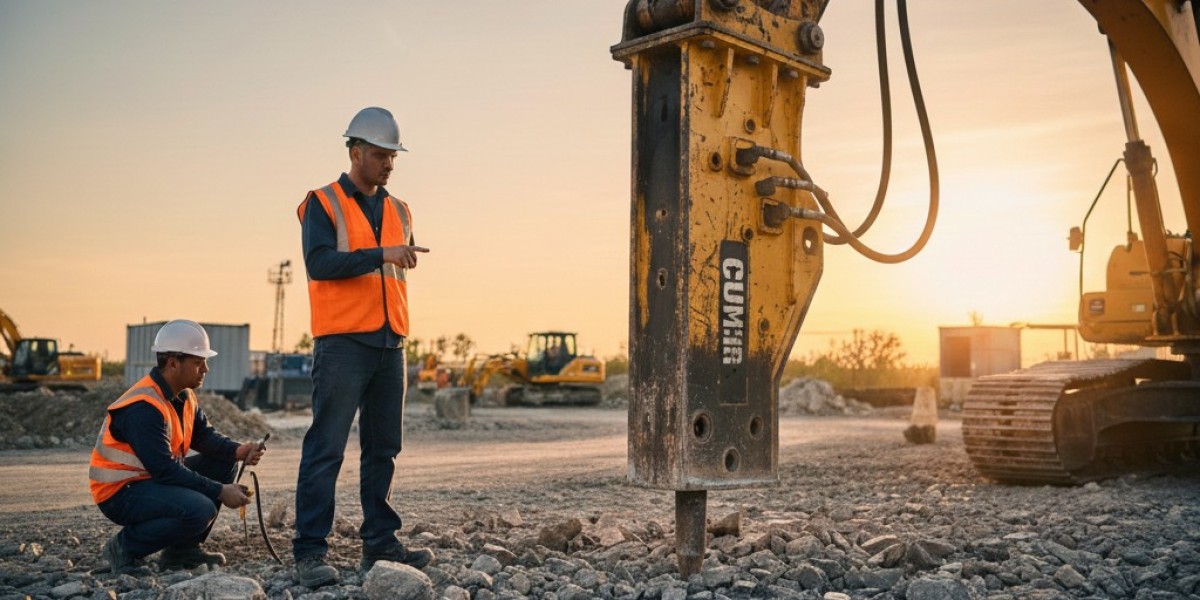


Do you work in the construction industry and deal with demolition tasks every alternate day? Then you will definitely know that construction equipment attachments rarely break down all of a sudden. It usually gives you small warnings before malfunctioning. You may notice weaker blows, strange vibrations, slower ignition response, overheating, or unusual noises. Most operators overlook these signs because the attachments keep working even after that. But that’s not the case with hydraulic hammers. Ignoring these symptoms can damage both the hammer as well as the excavator’s hydraulic system.
If we see the construction industry today, many contractors treat the hydraulic hammer as a rough-and-tough attachment that can handle anything. But in reality, it is a precision machine that performs thousands of high-pressure impacts every hour. It needs regular attention and early repair. Fixing problems at the right time can save you money, increase work efficiency, and extend the hammer’s lifespan.
This blog explains the most common hydraulic hammer issues, their early warning signs, and the simplest ways to fix them before they cause major downtime.
What Is a Hydraulic Hammer for an Excavator?
A hydraulic hammer for an excavator is a heavy-duty impact tool which is designed to break tough materials like concrete, rock, and hard soil by using hydraulic power. It replaces the standard excavator bucket and turns the machine into a powerful demolition and breaking unit. The hammer works by converting the excavator’s hydraulic pressure and oil flow into high-speed blows that deliver strong impact energy to the surface.
The attachment is made up of components such as:
Piston that delivers the striking force
Chisel or tool that contacts the material
Bushings that support the tool
Housing that protects the internal mechanism
Hydraulic hoses that connect it to the excavator
Early Warning Signs That Your Hydraulic Hammer Needs a Quick-Check
Before a hydraulic hammer stops functioning, it always shows some signals. If you are an operator and you recognise these signs early, you can avoid expensive repairs and meet your project deadlines easily.
1. Low Impact Power
When you notice a sudden drop in impact power, it usually means something in the hydraulic system is not working properly. Common reasons include low hydraulic pressure, incorrect oil flow, worn internal parts, or contaminated hydraulic oil.
How to Fix It:
You should start by checking the excavator’s pump pressure and adjusting it according to the hammer’s requirement. Then verify the oil flow rate to make sure the hammer is receiving enough hydraulic volume. If the power is still low, inspect the piston and bushings for and check if there are signs of wear. Also make sure your hydraulic oil is clean and at the correct level.
2. Overheating
The hydraulic hammer attachment normally overheats when it works continuously without breaks, or when it is not lubricated properly. When you use the wrong tool for extremely hard material or let the hammer to “blank fire”, this can also be a reason for the attachment to generate extreme heat. Many operators ignore overheating, but it damages the seals, pistons, and the hammer body.
How to Fix it:
You can prevent overheating by applying good-quality grease at the end of each operating day and avoiding blank firing. Also allow the hammer to cool down after long periods of heavy breaking.
3. Hydraulic Oil Leak Issue
Oil leaks normally happen when the seals wear out, hoses crack, or fittings start to loosen. Many operators continue working even when they see small leaks, thinking that it can be resolved at a later time. Do not make this mistake. An oil leak is a serious warning signal because it affects the hammer as well as it can even downgrade your excavator’s performance.
How to Fix it:
Inspect all hoses, seals, and fittings. Replace damaged seals as soon as you notice the leak. Tighten the loose connections and make sure the hoses are not rubbing against any hard surface.
4. Blank Firing
Blank firing happens when the hammer strikes without proper resistance. This usually occurs when the operator lifts the hammer too high or when the material breaks unexpectedly. Blank firing can easily damage the hammer’s bushings, pistons, and other internal components.
How to Fix it:
Always keep the tool pressed firmly against the surface you’re breaking. Maintain proper alignment and adjust the hammer position as the material breaks.
NOTE: If multiple operators use the machine, make sure everyone is trained properly.
5. Slow or Delayed Hammer Start
If your hydraulic hammer takes too long to start or doesn’t fire immediately, it usually indicates that the accumulator pressure is low or oil flow has been restricted. In cold weather, thickening of hydraulic oil can also cause delay in activation.
How to Fix it:
Check the accumulator pressure and recharge it if needed. Inspect the control valves and make sure nothing is blocking the oil flow. Before using it in winter, allow the hydraulic system to warm up first.
6. Auto-Stop or Continuous Firing Issues
Advanced hydraulic hammers are electronically operated and their controls can face issues over time. Sensors, wiring, or valve calibration need to be checked before every task. Sometimes flow settings may be incorrect, causing the hammer to misfire or fail to stop at the right time.
How to Fix it:
Test the sensors, check the wiring connections, and recalibrate the flow settings. If needed, run a complete diagnostic check of the attachment.
Final Opinion
A hydraulic hammer doesn’t break down overnight. It shows warnings in the form of indicators, long before anything serious happens. When you notice weaker blows, extra heat, leaks, odd sounds, or slow response, stop your machine immediately. Check the issue and resolve it. But if you ignore these warning signs feeling that it can be fixed later, then be ready to fail meeting project timelines and bear expensive repair costs.
Frequently Asked Questions
1. Why does my hydraulic hammer suddenly lose power even though the excavator seems fine?
Ans. When you see a sudden drop in impact power, don’t worry. It might be that the hammer isn’t receiving the right hydraulic pressure or oil flow. It could also be due to worn internal parts or contaminated oil. Make a quick pressure check and inspect the piston and bushings. It will fix the issue.
2. What happens if my operators unknowingly blank fire the hammer?
Ans. Blank firing puts extreme stress on the hammer’s piston, bushings, and internal components. If your operator keeps on blank firing, this can cause premature failure and lead to expensive repairs. It is advised that you train your operators before handing them over the responsibility of managing such operations.
3. Should I stop the machine immediately if I hear strange noises or vibrations or continue working ignoring it?
Ans. Yes. When you hear an unusual noise, stop the machine at that very moment. It can usually mean that something is loose, worn out, or misaligned. But if you continue to operate, the hammer can cause severe internal damage to your excavator.
4. Is it true that electronically controlled hammers misfire sometimes?
Ans. Yes, it is true, but not always. The operation of electronic hammers depends on sensors, wiring, and calibrated flow settings. If any of these are off, the hammer may auto-stop, misfire, or continue firing when it shouldn’t. You need to conduct regular calibration and sensor checks to avoid such issues.
5. My project manager told me to finish the demolition quickly, so I kept working without taking any breaks. Will this damage my hydraulic hammer?
Ans. Yes, working non-stop can harm your hydraulic hammer. When you keep breaking without pausing, the hammer heats up faster than it can cool down. This extra heat can damage the seals, reduce impact, and cause internal wear much earlier than expected. Even if you take short 1–2 minute pauses during long tasks your hammer will actually run easy throughout the day.










