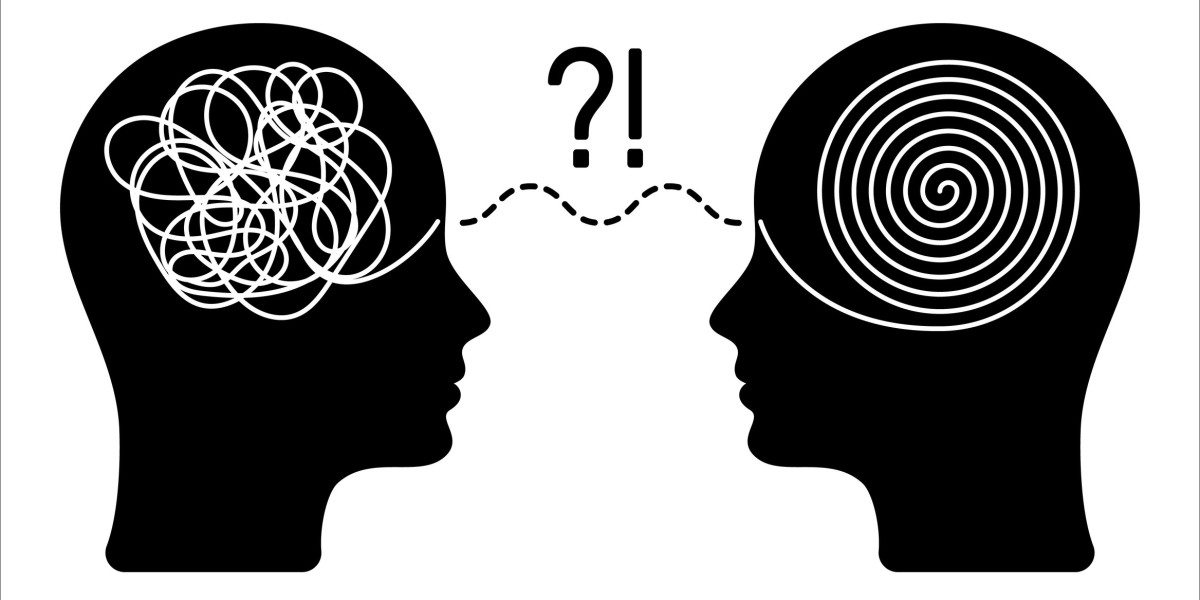


Assessing someone’s mental state when an alleged offense occurred is among forensic psychiatry’s most difficult tasks. The difficulty grows when the evaluation takes place months or years later. By then, memories may have shifted, symptoms may have improved or worsened, treatment may have changed the person’s presentation, and important evidence may be difficult to access.
Unlike routine psychiatric evaluations, forensic assessments ask clinicians to determine what a person’s psychological condition was during a particular period in the past. To do that, they draw heavily on historical records, behavioral evidence, interviews, and accounts from people who observed the person around the time of the offense.
Why Time Makes Retrospective Evaluations Difficult
Mental health symptoms can shift dramatically over time. Someone who experienced severe psychosis during the alleged offense might seem stable months later, particularly after receiving treatment. The reverse can happen too: a person who appeared stable when the incident occurred may go on to develop significant psychiatric symptoms.
The difference between someone’s present mental state and the state they were in during the alleged offense matters greatly. A clinical interview years afterward may offer valuable insight, but it cannot fully reconstruct the person’s experience at the time.
Memory presents another serious difficulty. People may remember stressful or traumatic events differently as time passes. Certain details can become clearer; others may fade or be shaped by experiences that followed. Evaluators, then, cannot rely only on the individual’s recollection.
Reviewing Historical Evidence
Because of these challenges, mental health evaluations in legal cases usually require a detailed review of the person’s history. Medical and psychiatric records may document symptoms, diagnoses, medications, hospitalizations, and earlier treatments.
Police reports, witness accounts, surveillance footage, communications, employment or school records, and other documents can also help show what the individual was doing and how they behaved around the time of the offense.
Collateral information can be especially valuable. Family members, friends, coworkers, healthcare providers, and others who interacted with the individual during the relevant period may have observed changes in behavior, thinking, mood, or functioning that the individual does not describe.
Rather than treating one account as definitive, evaluators compare information from these different sources. When several sources report consistent findings, they provide a stronger basis for understanding the individual's mental state.
Evaluating Criminal Responsibility
In certain criminal cases, a defendant may claim insanity and plead not guilty by reason of that condition. The evaluator must then determine whether a mental disorder impaired the person’s ability to understand the nature of their actions or recognize that those actions were wrong under the relevant legal standard.
This assessment involves more than determining whether someone has received a psychiatric diagnosis. A diagnosis by itself does not establish legal insanity. Evaluators have to examine the person’s symptoms, functioning, behavior, and mental state during the particular period at issue in the case.
The legal criteria differ across jurisdictions, so evaluators must know which standard applies. They offer an informed psychiatric opinion; the court makes the final legal determination.
Separating Current Symptoms From Past Symptoms
A major challenge is telling apart psychiatric symptoms occurring now from symptoms that may have existed when the offense took place.
For example, a person might now deny having hallucinations or delusions, while records show severe psychosis around the time of the alleged offense. The reverse can also happen: significant psychiatric symptoms may be present now even though they were not evident when the incident took place.
Evaluators therefore need to reconstruct a timeline, considering when symptoms emerged, how severe they were, what treatment the person received, and how the person’s behavior changed over time.
That reconstruction calls for careful clinical reasoning. Evidence supporting a particular interpretation must be weighed alongside evidence that challenges it, rather than giving attention only to information that confirms one conclusion.
The Importance of a Court-Focused Evaluation
A court-ordered mental health evaluation has to answer the particular legal question at issue. Rather than offering only a broad account of the person’s mental health, the evaluator relates the psychiatric findings to the applicable legal standard.
This can mean reviewing extensive documentation and sorting through evidence that sheds light on the individual’s psychological functioning during the period in question. In the final report, documented facts should remain distinct from information provided by others, clinical observations, and professional opinions.
That separation matters even more when a significant amount of time has passed. A clear evaluation shows which findings are well supported, where uncertainty remains, and which conclusions reflect reasonable clinical interpretation.
Why Objectivity Matters?
Retrospective forensic evaluations may concern deeply emotional criminal cases, yet evaluators are expected to remain objective. They are not there to bolster either the prosecution or the defense. Their task is to weigh the full body of evidence and form an independent professional opinion.
When the historical record is incomplete, a careful evaluation must acknowledge the uncertainty. It should not manufacture certainty that the available information cannot justify.
That balance gives the court a clearer view of both what the evidence shows and where its limits lie. It helps legal decision-makers distinguish documented psychiatric symptoms from retrospective claims and from assumptions about a person's behavior.
Reconstructing the Past With Care
Evaluating a person’s mental state months or years after an offense is difficult by nature. Mental health can change, memories may grow less dependable, and key evidence might be missing. Even so, a careful forensic assessment can shed useful light on the person’s psychological functioning during the period relevant to the criminal case.
Using interviews alongside medical records, collateral accounts, behavioral evidence, and a detailed timeline, forensic evaluators can form a clearer picture of an individual’s earlier mental state. That careful reconstruction matters especially in cases involving a not guilty by reason of insanity defense.
A court-focused evaluation looks beyond a person’s present experiences. It asks what was happening psychologically when the alleged offense occurred and how the available evidence supports that conclusion. This evidence-based process helps courts assess the difficult connection between mental health and criminal responsibility.









