

Quick Summary:
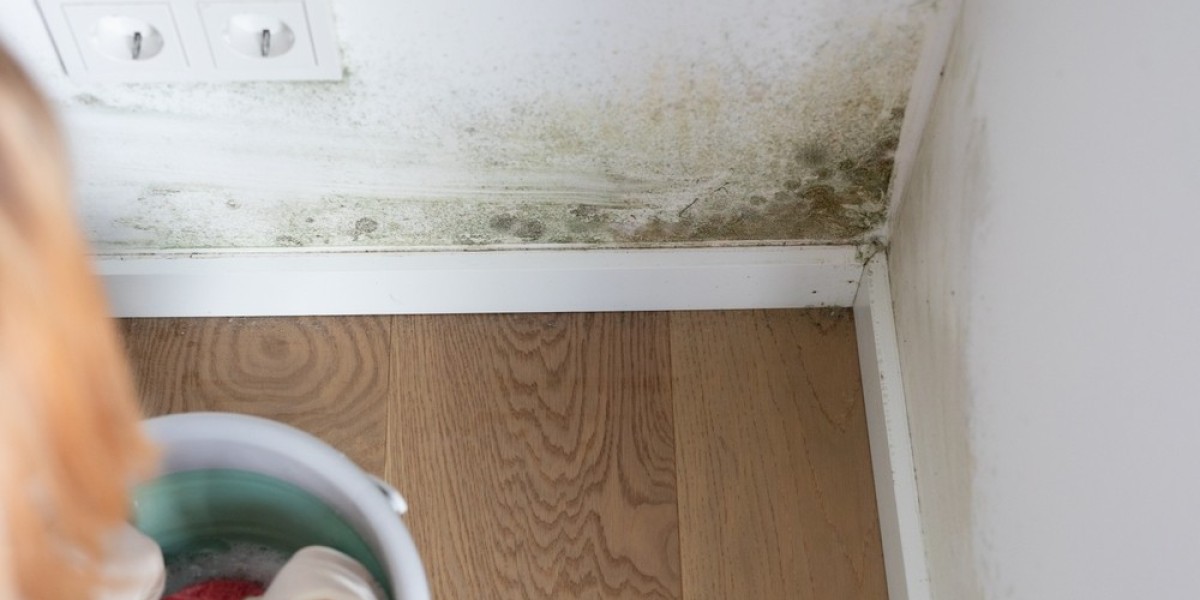
Mold does not always remain where it first appears. Air movement, pressure differences, HVAC systems, connected building cavities, and disturbance of contaminated materials can help mold spores move from one area to another. However, spores traveling through a building does not automatically mean that every room has active mold growth. Moisture remains the critical factor that allows mold to grow. Effective mold removal los angeles work therefore requires more than treating visible spots. It involves finding the moisture source, understanding airflow, identifying affected materials, containing the work area, removing or cleaning contaminated materials appropriately, and correcting conditions that could allow mold to return.
How Mold Can Move Through a Building
Mold is a natural part of the environment, and spores are commonly present in both outdoor and indoor air. According to the Centers for Disease Control and Prevention, mold reproduces by releasing spores into the air, where they can travel to other locations. When those spores encounter suitable moisture and materials, they can contribute to new mold growth.
This distinction is important. Airborne spores can move without establishing a new colony. For growth to occur, moisture and a suitable food source are generally necessary. The Environmental Protection Agency identifies moisture control as the central principle of indoor mold control.
That is why a building with mold in one room should not automatically be considered contaminated throughout. Instead, professionals should investigate how air moves through the property, where moisture exists, and which materials may have been affected.
For property owners dealing with a suspected widespread problem, mold removal los angeles services should begin with understanding the building as a connected system rather than focusing only on visible discoloration.
Airflow Can Influence Where Mold Spores Travel
Air movement is one of the most important factors in understanding how particles can move inside a building. Doors opening and closing, fans, HVAC equipment, exhaust systems, pressure differences, and natural air leakage can all influence indoor airflow.
An HVAC system can be particularly important because its ducts connect different areas of a property. If contaminated dust or mold particles become airborne during disturbance, air movement may carry them beyond the original work area.
This does not mean that an entire HVAC system automatically needs to be replaced whenever mold is discovered. The appropriate response depends on where the contamination is located, whether the system has been affected, and whether there is evidence that air movement could distribute contaminants.
The EPA's guidance for mold remediation in buildings specifically emphasizes preventing the dispersal of mold and mold spores during cleanup.
This is one reason professional mold removal los angeles planning may include containment, controlled airflow, appropriate filtration, and careful handling of affected materials.
Building Materials Determine How Far the Problem Can Extend
Mold does not grow equally on every surface. Materials that contain or collect organic matter can support growth when adequate moisture is present. Wood, paper-faced drywall, ceiling materials, carpeting, insulation, and other porous materials can become problematic when they remain damp.
The EPA explains that mold can grow on materials including wood, paper, carpet, and food when sufficient moisture is available.
Porous materials can be especially challenging because contamination or moisture may extend beyond what can be seen from the surface. A wall may appear relatively normal while moisture is trapped behind it. Similarly, carpeting can conceal dampness underneath its surface.
Hard, nonporous surfaces may sometimes be cleaned effectively when they are structurally sound. Heavily affected porous materials, however, may need to be removed rather than simply wiped.
Therefore, mold removal los angeles professionals should evaluate the type and condition of each affected material before deciding whether it should be cleaned, dried, restored, or removed.
Hidden Moisture Can Create a Larger Problem
Visible mold is often only one part of the story. A water leak inside a wall, under flooring, around a window, beneath a roof assembly, or near an HVAC component can create hidden moisture conditions.
The EPA recommends responding quickly to water leaks and drying wet or damp materials within approximately 24 to 48 hours when possible because prompt drying can help prevent mold growth.
However, once mold has established itself, simply drying the surface may not resolve the problem. The source of moisture still needs to be identified and corrected.
For example, cleaning mold from a wall without repairing a leaking pipe may produce a temporary improvement while leaving the underlying conditions unchanged. The EPA specifically warns that cleaning mold without correcting the water problem can allow the mold problem to return.
This is why mold removal los angeles should focus on both the visible condition and the environmental cause behind it.
Why Containment Matters During Mold Removal
Removing contaminated materials can disturb settled particles and release them into the surrounding air. Without appropriate controls, cleanup activity can potentially spread contaminants into areas that were previously unaffected.
Professional remediation practices may therefore use physical barriers and controlled work zones to separate affected areas from occupied portions of a building. Depending on the circumstances, specialized filtration and negative-pressure techniques may also be used to control airflow.
The exact containment approach depends on the size and location of the affected area, the building configuration, the materials involved, and the remediation plan.
Containment is particularly important in buildings with interconnected rooms, shared ventilation pathways, or occupants who could be exposed to airborne contaminants.
A carefully planned mold removal los angeles project should therefore consider where air could travel during the work, not simply where mold is visible before work begins.
Mold Does Not Always Mean the Entire Building Needs Treatment
One of the most common misconceptions about mold is that finding growth in one location automatically means that every room requires extensive treatment.
That conclusion cannot be made without an appropriate assessment.
A localized plumbing leak affecting one section of drywall may remain limited to that area. Conversely, a long-standing moisture problem combined with poor ventilation may affect several rooms.
The CDC states that mold can be found indoors in all climates and seasons, while excess moisture is generally the major cause of indoor mold growth.
The practical lesson is simple: determine the extent of moisture and contamination rather than assuming the answer.
Professionals can evaluate visible conditions, moisture levels, building materials, ventilation pathways, and the history of water intrusion to determine the appropriate scope.
Indoor Humidity Is an Important Part of Mold Prevention
After remediation, controlling indoor humidity can help reduce the likelihood of recurring mold growth.
The EPA recommends keeping indoor relative humidity below 60 percent when possible, with an ideal range of approximately 30 to 50 percent. Humidity can be measured with an inexpensive humidity meter.
High humidity can result from several sources, including inadequate ventilation, cooking, bathing, leaks, air-conditioning problems, and outdoor moisture entering the building.
Bathrooms and kitchens deserve particular attention because they routinely generate moisture. Exhaust fans should vent appropriately to the outdoors, and moisture should not be allowed to accumulate on walls, ceilings, windows, or other cold surfaces.
For mold removal los angeles prevention, humidity monitoring can provide useful information about whether indoor conditions are improving after remediation.
What Happens During a Professional Mold Removal Project?
While every property is different, a professional process commonly begins with an assessment of the affected area and potential moisture sources.
The work may involve:
- Identifying visible mold and moisture damage
- Investigating potential hidden moisture
- Evaluating affected building materials
- Determining the likely extent of contamination
- Establishing appropriate containment
- Removing materials that cannot reasonably be restored
- Cleaning appropriate salvageable surfaces
- Using suitable filtration and dust-control measures
- Drying affected areas thoroughly
- Repairing the source of moisture
- Checking conditions after cleanup
The goal is not simply to make a stained wall look clean. A successful project should address the conditions responsible for mold growth and reduce the likelihood of recurrence.
Professional mold removal los angeles work should therefore be based on evidence from the building rather than assumptions about the color, appearance, or perceived type of mold.
Why Mold Color Is Not a Reliable Guide
Black, green, white, brown, and other colors can appear in mold growth. Color alone, however, does not establish how dangerous a particular mold is.
The CDC specifically notes that mold color does not necessarily indicate that one type is more or less dangerous than another.
This is important because homeowners sometimes focus heavily on identifying a particular color rather than addressing the underlying moisture problem.
A better approach is to ask practical questions: Where is the moisture? How long has it been present? Which materials are affected? Is the affected area connected to another part of the building? Can the source be corrected?
Those questions make mold removal los angeles decisions more useful because they focus on the actual building conditions.
Preventing Mold From Traveling Again
Once cleanup is complete, prevention becomes the next priority.
Property owners can reduce future risks by repairing plumbing and roof leaks promptly, keeping gutters and drainage systems functional, maintaining HVAC equipment, improving ventilation in moisture-producing rooms, and monitoring indoor humidity.
Furniture should also be positioned so that air can circulate around vulnerable walls when appropriate. Condensation on windows, pipes, exterior walls, or other cold surfaces should not be ignored because it can indicate a moisture imbalance.
The EPA recommends reducing indoor humidity, increasing appropriate ventilation, and preventing condensation as part of mold prevention.
These measures are especially valuable after mold removal los angeles because remediation addresses an existing problem, while moisture management helps protect against another one.
The Bigger Picture: Treat the Building, Not Just the Spot
Mold can appear as a small patch on a wall while the conditions supporting it exist somewhere less visible. Air movement can influence where spores travel, while building materials determine where moisture and contamination can persist.
That is why effective mold management requires a building-wide perspective without automatically assuming building-wide contamination.
A professional assessment should connect three major elements: airflow, moisture, and materials. Understanding how these elements interact makes it easier to determine where the problem began, where it may have traveled, and what needs to be addressed.
For homeowners and property managers, mold removal los angeles is most effective when the process goes beyond surface cleaning and addresses the underlying moisture conditions, affected materials, and pathways that could contribute to future problems.
Conclusion
Mold movement inside a building is more complicated than simply watching a visible patch become larger. Spores can travel through air, but growth requires suitable environmental conditions, particularly moisture. Building materials, ventilation, HVAC systems, construction details, and water intrusion can all influence how a mold problem develops.
The most reliable response is therefore systematic: identify the moisture source, understand airflow, evaluate affected materials, contain the work appropriately, remove or clean materials according to their condition, dry the structure, and correct the cause.








