

Quick Summary:
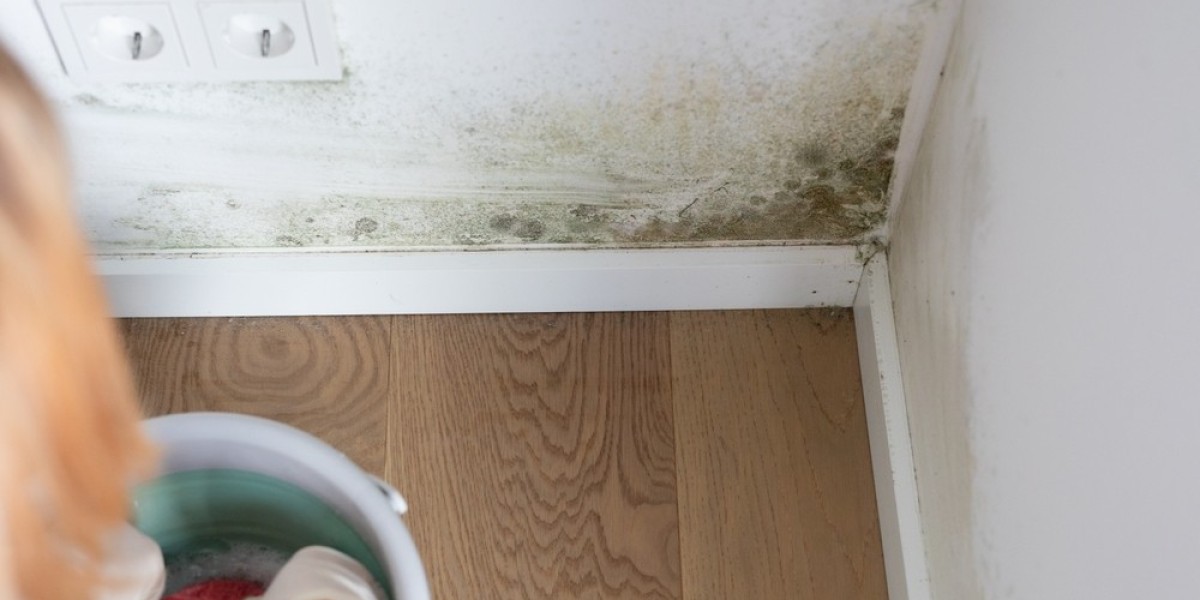
Visible mold is only one piece of a building's moisture story. Mold can develop behind walls, beneath flooring, around plumbing, inside damp insulation, or near cooling equipment where conditions are not immediately obvious. Building materials determine how moisture is absorbed and retained, moisture patterns reveal where a problem may originate, and airflow can influence how airborne spores and moisture move through a property. A thorough mold inspection los angeles assessment therefore goes beyond looking for stains. It considers the building as a connected system and uses evidence such as moisture measurements, humidity readings, visible conditions, building history, and airflow patterns to understand what is happening.
Why Mold Inspection Los Angeles Requires More Than a Visual Check
A dark spot on drywall can be an obvious warning sign, but the absence of visible growth does not prove that a building is free of moisture problems or hidden mold. Mold can develop in concealed locations when water or persistent dampness reaches materials that can support growth.
The United States Environmental Protection Agency identifies moisture control as the key to controlling indoor mold. It also notes that mold can grow on materials such as wood, paper, carpet, and other substances when sufficient moisture is available.
This is why a professional mold inspection los angeles assessment should investigate the conditions that allow mold to develop rather than simply documenting visible discoloration.
A strong inspection asks several important questions:
- Where is moisture entering the building?
- How long has the material been exposed to moisture?
- Which building materials are affected?
- Could moisture be hidden behind or beneath finished surfaces?
- How does air move through the property?
- Are heating, ventilation, and air conditioning systems influencing humidity or airflow?
- Are there signs that the problem has occurred repeatedly?
These questions help turn an inspection from a simple visual search into a structured investigation.
Building Materials Can Hide Moisture and Mold
Different materials respond to water in different ways. Some surfaces are relatively easy to inspect and clean, while porous materials can absorb moisture and remain damp below the visible surface.
Drywall with a paper facing, unfinished wood, carpeting, insulation, ceiling materials, and similar porous products can retain moisture after a leak. If these materials remain wet long enough, they can create conditions favorable to mold growth.
The EPA recommends drying wet or damp materials within 24 to 48 hours after water intrusion when possible because prompt drying can prevent mold from developing in many situations.
However, an older moisture problem presents a different challenge. A wall may appear dry today even though it experienced repeated wetting in the past. Staining, deterioration, musty odors, warped materials, peeling finishes, or other evidence can prompt an inspector to investigate further.
During mold inspection los angeles work, understanding the construction materials is therefore essential. The same moisture event can produce very different results depending on whether water reaches tile, drywall, wood framing, insulation, flooring, or another material.
Moisture Patterns Tell a Larger Story
Finding moisture is important, but understanding its pattern can be even more useful.
Suppose moisture is detected near the bottom of a wall. The cause could be a plumbing problem, water entering through an exterior wall, condensation, or water moving upward from another area. Similarly, moisture around a ceiling may indicate a roof problem, plumbing leak, condensation, or an issue involving equipment located above the ceiling.
Patterns help inspectors develop and test possible explanations.
Moisture mapping can involve taking readings in multiple locations and comparing them with surrounding areas. A single elevated reading may indicate a localized problem, while a broader pattern may suggest that moisture has traveled through a larger section of the structure.
This is an important part of mold inspection los angeles because the visible location of mold does not necessarily identify the original source of moisture.
Humidity Can Create Conditions for Hidden Growth
Not every mold problem begins with a major plumbing leak. Indoor humidity can also contribute to moisture accumulation.
The EPA recommends keeping indoor relative humidity below 60 percent, with an ideal range of approximately 30 to 50 percent when possible.
Humidity can increase through cooking, bathing, inadequate ventilation, moisture-producing appliances, leaks, and other activities. When humid air encounters a sufficiently cold surface, condensation can occur.
Windows, exterior walls, pipes, poorly insulated ducts, and other cold surfaces can therefore deserve attention during an inspection.
A property might have acceptable humidity in one room but elevated humidity in another. Bathrooms, kitchens, laundry areas, closets, and rooms with limited air circulation may behave differently from larger, well-ventilated spaces.
For this reason, mold inspection los angeles professionals may consider humidity readings alongside visible evidence and moisture measurements rather than relying on a single reading taken at one point in time.
Airflow Can Influence Mold Investigation Results
Air does not remain stationary inside a building. Heating and cooling equipment, exhaust fans, open doors, pressure differences, windows, and natural air leakage can all influence movement.
Airflow matters because it can affect both moisture distribution and the movement of airborne particles. During a mold investigation or cleanup, disturbing contaminated materials can release particles into the surrounding air. This is one reason appropriate containment and work practices are important when remediation becomes necessary.
HVAC systems deserve particular attention. The EPA explains that HVAC systems can help remove moisture from indoor air, while poorly managed conditions can contribute to humidity problems.
An inspector may therefore consider the location of supply and return vents, areas around cooling equipment, condensate drainage, duct insulation, and rooms that receive limited air movement.
Importantly, the presence of mold in one room does not automatically establish that an entire HVAC system is contaminated. The condition of the system and evidence of contamination should be evaluated before making such a conclusion.
Hidden Mold Can Exist Behind Finished Surfaces
Some of the most challenging situations occur when the moisture source is concealed.
A leaking pipe inside a wall can wet surrounding materials without producing immediate visible staining. Water entering around a window can travel inside a wall assembly. A roof leak can affect insulation and framing before the interior ceiling shows obvious damage.
The EPA specifically recognizes hidden mold as a concern and recommends professional evaluation when a hidden mold problem is suspected.
Indicators that may justify further investigation include:
- Persistent musty odors
- Previous water damage
- Recurring staining
- Peeling or bubbling finishes
- Warped flooring
- Unexplained moisture readings
- Condensation that repeatedly appears
- Areas that remain unusually damp
- A history of plumbing or roof leaks
A careful mold inspection los angeles process connects these clues rather than treating each one as an isolated finding.
Why Moisture Meters and Other Tools Matter
Professional inspections can use specialized tools to investigate conditions that are difficult to see.
Moisture meters can help identify elevated moisture in building materials. Humidity meters can measure relative humidity in indoor spaces. Infrared cameras can sometimes help identify temperature differences that warrant additional investigation.
These tools are useful, but they should not be treated as magic devices that automatically identify mold. An infrared image, for example, can show a temperature pattern, but additional investigation is needed to determine why that pattern exists.
Likewise, an elevated moisture reading indicates a moisture condition but does not by itself prove the presence of mold.
The most useful mold inspection los angeles reports combine instrument readings with visual observations, building history, construction knowledge, and professional interpretation.
Air Sampling Is Not a Substitute for a Building Inspection
Air sampling can sometimes provide useful information, but it should not be treated as the only method of evaluating a property.
Indoor air naturally contains mold spores, and outdoor air can introduce spores into buildings. The EPA notes that there is no practical way to eliminate all mold spores from indoor environments. The primary strategy for controlling indoor mold growth is controlling moisture.
This means an air sample should be interpreted within the context of the property.
A sample may be useful when a professional has a specific question that laboratory analysis can help address. But a normal-looking air result cannot necessarily rule out hidden mold inside a damp wall, ceiling cavity, or other concealed location.
For that reason, mold inspection los angeles should prioritize the physical condition of the building and its moisture history rather than relying on one laboratory number.
Los Angeles Properties Can Have Very Different Moisture Conditions
Los Angeles contains a wide range of building types, ages, elevations, neighborhood environments, and exposure conditions. Coastal properties may experience different humidity and condensation patterns from inland properties. Older buildings may have different construction details from recently renovated structures.
Even two neighboring properties can behave differently because of roof design, plumbing history, insulation, landscaping, window orientation, ventilation, occupancy, and air-conditioning use.
This makes property-specific investigation especially important.
A professional mold inspection los angeles assessment should consider the individual building rather than assuming that every property in the area experiences the same mold risk.
What a Comprehensive Mold Inspection Should Examine
A thorough inspection may consider several interconnected areas:
1. Visible Conditions
Inspectors look for discoloration, staining, deterioration, condensation, damaged finishes, and other signs of moisture or possible mold growth.
2. Moisture Sources
Potential sources can include plumbing leaks, roof problems, window leaks, drainage issues, condensation, HVAC systems, and elevated indoor humidity.
3. Building Materials
The type, age, condition, and moisture sensitivity of materials can influence how a problem develops and what further investigation may be appropriate.
4. Airflow
Ventilation systems, exhaust fans, HVAC equipment, doors, windows, and pressure relationships can affect moisture and airborne particle movement.
5. Building History
Previous leaks, flooding, renovations, recurring condensation, and earlier repairs can provide valuable context.
6. Concealed Spaces
Where evidence supports it, inspectors may investigate areas behind, beneath, or above finished surfaces to determine whether moisture has traveled.
Together, these factors produce a more meaningful mold inspection los angeles result than a surface-only examination.
What Property Owners Should Do Before an Inspection
Property owners can make an inspection more useful by documenting relevant history.
Record when leaks occurred, where water was observed, whether repairs were completed, and whether stains or odors have returned. Photographs from previous incidents can also provide useful information.
Avoid covering suspected mold or moisture damage immediately before an inspection simply to make the property look cleaner. Doing so can remove evidence that helps identify the source.
It is also useful to note rooms where condensation occurs regularly or where occupants have noticed persistent musty odors.
These details can help the inspector connect current conditions with past events.
From Inspection Findings to Effective Prevention
The purpose of a mold inspection should not end with identifying a problem. Findings should help guide corrective action.
The EPA emphasizes that mold control depends on controlling moisture. It recommends repairing leaks, reducing indoor humidity, addressing condensation, and drying wet materials promptly.
That means prevention may involve repairing a roof, correcting plumbing, improving bathroom ventilation, servicing an air-conditioning system, insulating a cold surface, improving drainage, or reducing indoor humidity.
Simply removing visible mold without correcting the moisture source can allow the problem to return.
Conclusion
Mold inspection is most effective when it looks beyond what the eye can immediately see. Building materials can absorb and retain moisture, water can travel through concealed spaces, humidity can create favorable conditions for growth, and airflow can influence how moisture and airborne particles move.
A reliable assessment therefore combines visual observations with moisture investigation, humidity measurements, building history, construction knowledge, and an understanding of airflow.









