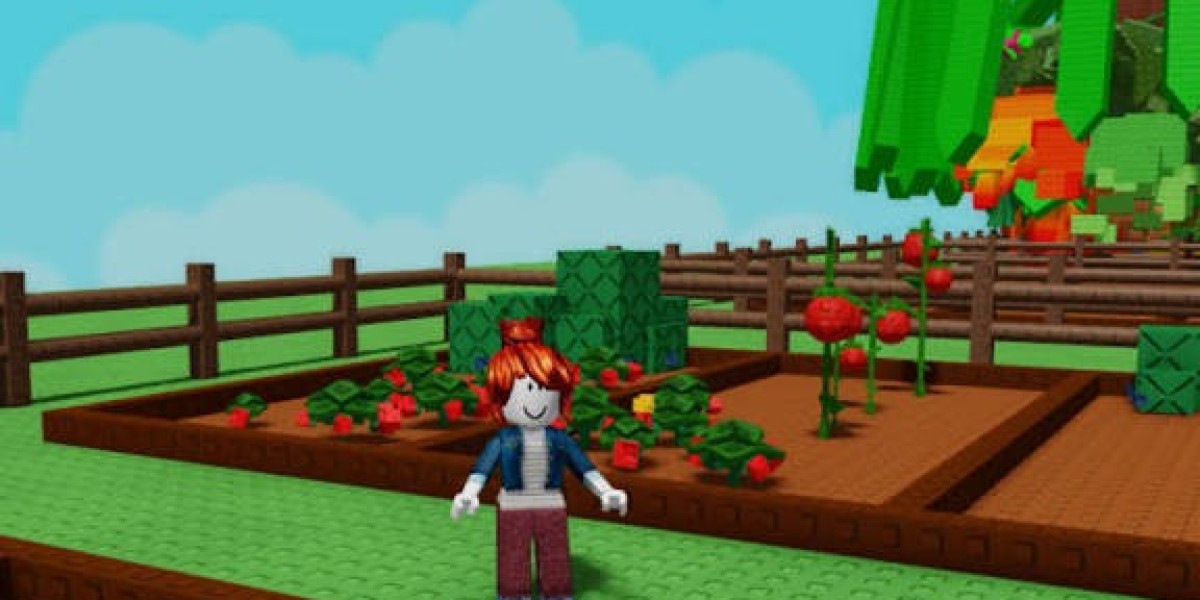


Small gardens are becoming the next big battleground in live-service gaming, and Grow a Garden 2 Pets gives the sequel a lively way to turn routine planting into a more personal adventure. Instead of treating pets as simple decorations, the game appears ready to make them part of everyday planning, collection, and exploration.
The appeal is easy to understand. Players can grow crops, improve their space, and gradually assemble a team of companions that changes how each session feels. That combination gives the sequel a relaxed pace, but it also creates enough long-term goals to keep the garden from becoming a forgotten side project.
Pets Add More Than Cosmetic Value
The strongest idea behind the pet system is its potential to give each garden a distinct identity. A fast companion might help with gathering, while another could improve crop quality, shorten task timers, or discover unusual items. These differences encourage players to think about combinations rather than simply collecting the rarest creature available.
Visual personality matters as well. A charming pet that follows the player through a carefully arranged garden can make the space feel alive. If each companion has recognizable animations and a useful role, collecting becomes a meaningful part of progression instead of a shallow checklist.
A More Thoughtful Daily Loop
Grow a Garden 2 seems designed around short, repeatable activities that can fit into a busy schedule. Players may check mature crops, complete a few requests, improve their plots, and send pets on small assignments before leaving. This structure keeps the experience welcoming without removing the satisfaction of steady progress.
The best daily loops offer several worthwhile choices rather than one mandatory routine. A player might focus on income, rare plants, pet development, or garden decoration. That flexibility is important because it lets casual users play comfortably while giving dedicated gardeners reasons to return every day.
Where Strategy Meets Relaxation
Although the presentation is gentle, the systems can still create surprising strategic depth. Limited space may force players to decide whether to grow profitable crops, reserve room for special plants, or build habitats that support particular pets. These decisions are simple to understand but can become increasingly interesting as the garden expands.
- Match pet abilities with the crops you grow most often.
- Keep some space open for seasonal events and limited plants.
- Balance immediate rewards with upgrades that improve future sessions.
This balance could become one of the sequel's defining strengths. Players who want a calm decorating experience can follow that path, while optimization-focused users can study schedules, combinations, and resource costs.
What Could Shape Its Future
Long-term success will depend on how fairly new content is introduced. Seasonal pets and limited crops can create excitement, but they should not make earlier collections feel useless. A healthy progression system would reward commitment while leaving room for new players to catch up without excessive grinding.
Community features could also expand the game's lifespan. Garden visits, trading, cooperative events, and friendly competitions would give players reasons to share their creations. If updates continue to add meaningful activities instead of only cosmetic bundles, the sequel may develop a loyal community around creativity and collection.
For now, the promise of Grow a Garden 2 lies in its combination of peaceful farming and flexible pet-based progression. Players who want to prepare their next garden can buy GAG 2 Pets as part of their collection, while still leaving room to discover their own strategy in the game.






