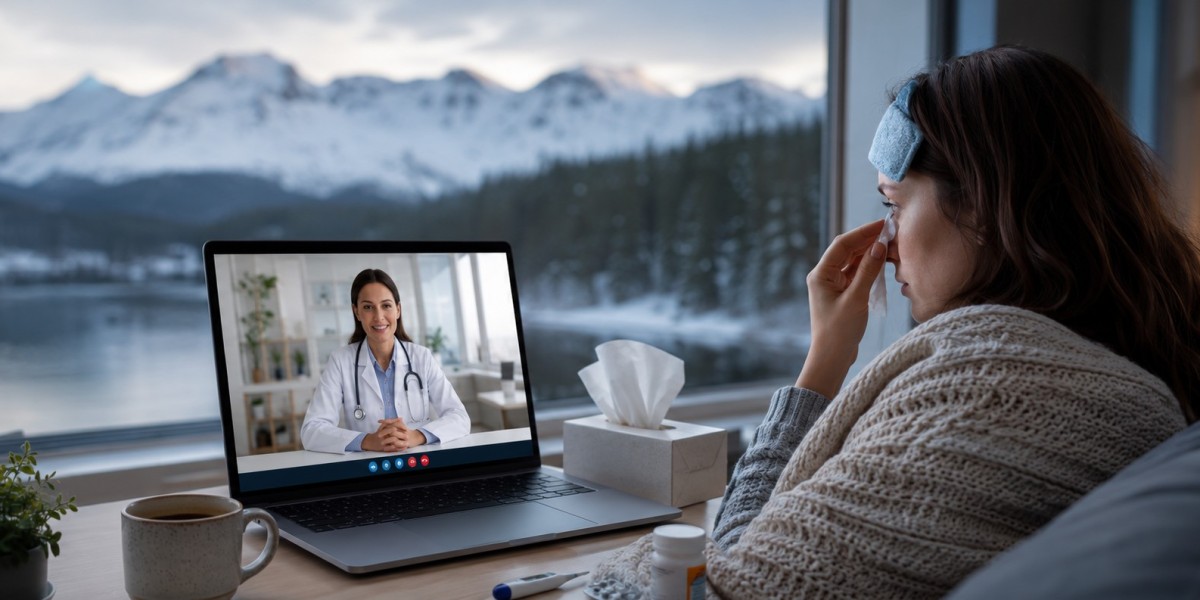


A patient once told me she'd been living with migraines for three years before she ever saw a specialist about them — not because she didn't want help, but because getting to Anchorage from where she lived meant burning an entire day, and migraines don't exactly wait for convenient scheduling. That story stuck with me, because it captures something a lot of people outside Alaska don't fully grasp: distance here isn't an inconvenience, it's a genuine barrier to getting basic care handled.
That's really the thread running through everything virtual care has changed in this state — not flashy technology, just removing the parts of getting treated that never needed to be that hard in the first place.
Why Do Migraines Hit Differently When You Live in Alaska?
Migraines are already one of the more frustrating conditions to manage anywhere, since triggers vary person to person and treatment often takes some trial and error to get right. Add in Alaska's long dark winters, unpredictable weather, and barometric pressure swings, and you've got a population dealing with migraine triggers that a lot of the country simply doesn't experience the same way.
The problem has never really been whether treatment exists — it's whether patients can consistently get to a specialist for the follow-ups that make treatment actually work. Missing an appointment because of a storm or a long drive doesn't just delay care, it can reset months of progress on finding the right medication or routine.
How Does a Headache Telehealth Visit Actually Work?
This is the question I get most from first-time patients, usually with a bit of skepticism baked in. A proper headache telehealth visit isn't a rushed five-minute call — it's a real clinical conversation covering:
Frequency, duration, and pattern of your headaches
Known or suspected triggers, including sleep, stress, and diet
Past treatments you've tried and how well they worked
Associated symptoms like nausea, light sensitivity, or aura
A treatment plan, which may include medication adjustments or preventive strategies
What surprises most patients is how much a provider can actually determine just from a detailed conversation. Migraines are diagnosed almost entirely based on history and symptom pattern rather than imaging in most cases, which makes them particularly well suited to virtual care.
Can You Really Get Migraine Treatment in Anchorage Without an In-Person Visit?
Short answer: for a large share of patients, yes. Migraine treatment in Anchorage, AK through a virtual visit covers everything from initial evaluation to ongoing medication management, and for patients who've already been diagnosed and are just adjusting or refining their treatment, it often works better than in-person visits — no waiting room lighting to deal with mid-migraine, no drive when you're already photosensitive and nauseated.
Where headaches and migraines in Alaska patients still need to go in person is for red-flag symptoms — sudden, severe headaches unlike anything experienced before, headaches with neurological symptoms like vision loss or confusion, or head pain following an injury. A good provider will screen for these before ever treating a headache as a routine migraine visit.
What Does Virtual Pediatric Care Look Like for Families in Juneau?
Juneau comes up constantly in conversations about telehealth because of one simple fact: there's no road connecting it to the rest of Alaska. Everything moves by air or water, which turns after-hours pediatric emergencies into a much bigger logistical problem than they'd be almost anywhere else in the country.
Pediatric telemedicine in Juneau exists to close that gap. Parents commonly use it for:
Fevers, especially the ones that show up after clinics close
Ear infections and sore throats
Rashes and skin irritation
Stomach bugs and dehydration concerns
Follow-up questions after a previous illness
The value isn't just convenience — it's having a pediatric-trained provider available to tell a worried parent, within minutes, whether a symptom is a wait-and-see situation or something that needs immediate attention.
Does Telemedicine Work the Same Way for Washington Residents?
Healthcare licensing is handled at the state level, so this is a fair thing to double-check before booking anywhere. Telemedicine services in Washington follow the same core structure as Alaska's virtual care — a licensed provider, a secure video visit, and treatment for the kind of conditions that don't require a hands-on exam, from migraines to everyday urgent care needs.
The main thing that changes between states isn't the patient experience, it's the regulatory backend: which conditions can legally be treated without an in-person visit first, and how prescriptions get handled. As a patient, the simplest way to protect yourself is to confirm any service you're considering is actually licensed to treat patients in your specific state, not just generally "available" online.
What Falls Under Telehealth Urgent Care in Alaska?
Beyond migraines and pediatric visits, telehealth urgent care in Alaska covers a wide range of everyday conditions that don't need a physical exam or lab work on the spot:
Cold and flu symptoms
Sinus infections and seasonal allergies
Minor infections like UTIs and pink eye
Medication refills for ongoing conditions
Follow-up care after a previous diagnosis
The consistent pattern across every one of these is the same: if you'd normally just call your doctor's office and describe what's going on, a virtual visit will probably handle it fine. If it needs imaging, bloodwork, or a hands-on exam, that's your sign to go in person.
So What's the Real Takeaway Here?
None of this is about replacing real medicine with a screen. It's about matching the size of the response to the size of the problem — not driving hours for a migraine follow-up that's really just a medication tweak, not waiting until morning for a fever that a pediatric provider could assess tonight, not assuming a video visit is somehow lesser than an in-person one when the clinical process is the same either way. For a state built on long distances and unpredictable weather, that shift alone has made getting treated a lot less dependent on how far you live from the nearest clinic.






