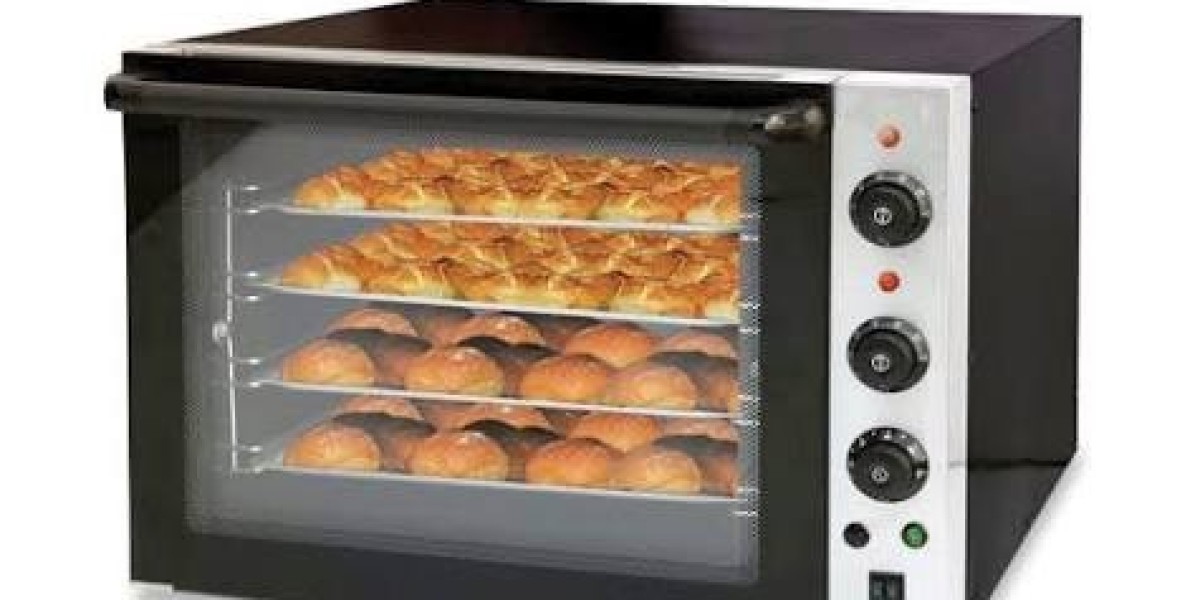


Whether you're running a restaurant, bakery, café, hotel kitchen, or simply upgrading your home cooking setup, choosing the right oven is an important investment. While convection ovens have become increasingly popular, the conventional oven remains one of the most widely used cooking appliances thanks to its simplicity, affordability, and reliable performance.
In this guide, we'll explain what a conventional oven is, how it works, its advantages, limitations, and who should choose one.
What Is a Conventional Oven?
A conventional oven, also known as a traditional oven, cooks food using heating elements located at the top and bottom of the oven cavity. Unlike convection ovens, conventional ovens do not use a fan to circulate hot air. Instead, heat spreads naturally throughout the oven.
Because the heat remains relatively still, some areas inside the oven may become hotter than others, making rack placement important for even cooking.
How Does a Conventional Oven Work?
A conventional oven operates using radiant heat generated by electric heating elements or gas burners.
Here's how it works:
- The bottom heating element provides the primary heat for baking and roasting.
- The top heating element is mainly used for broiling and browning.
- Heat rises naturally inside the oven without forced air circulation.
- Food cooks gradually as the surrounding air heats up.
This traditional cooking method has been used for decades in both residential and commercial kitchens.
Advantages of a Conventional Oven
1. Excellent for Delicate Baking
Conventional ovens are ideal for recipes that require stable heat, such as:
- Cakes
- Cheesecakes
- Custards
- Soufflés
- Bread pudding
Since there is no circulating fan, delicate batters are less likely to collapse or dry out.
2. Simple to Use
Most recipes are written specifically for conventional ovens, making cooking straightforward without adjusting cooking temperatures or times.
3. Lower Initial Cost
Conventional ovens generally cost less than convection models because they have fewer components and a simpler design.
4. Lower Maintenance
Without fans or additional airflow systems, conventional ovens typically require less maintenance and have fewer parts that may need repairs.
Limitations of Conventional Ovens
Although reliable, conventional ovens have some drawbacks.
Uneven Heat Distribution
Hot and cold spots can develop inside the oven, especially when cooking on multiple racks.
Longer Cooking Times
Without circulating hot air, food usually cooks more slowly than in a convection oven.
Less Efficient for High-Volume Cooking
Commercial kitchens preparing multiple trays simultaneously may experience inconsistent cooking results.
Best Foods to Cook in a Conventional Oven
A conventional oven performs especially well for:
- Cakes
- Muffins
- Brownies
- Lasagna
- Casseroles
- Bread pudding
- Baked pasta
- Roasted chicken
- Meatloaf
- Pizza with thick crust
Many professional bakers still prefer conventional baking for delicate desserts because the gentle heat prevents over-browning.
Conventional Oven vs. Convection Oven
Many buyers wonder which oven is better.
The biggest difference is airflow.
A convection oven uses a fan to circulate hot air, allowing food to cook faster and more evenly. A conventional oven relies solely on radiant heat, making it better suited for recipes that require gentle, consistent baking.
If you're unsure which oven best fits your cooking needs, read our detailed comparison:
Convection Oven vs. Conventional Oven: Which Is Right for You?
https://www.thehorecastore.com/blog/convection-oven-vs-conventional-oven-which-is-right-for-you
The guide compares cooking performance, energy efficiency, baking quality, roasting capability, and ideal applications for both oven types.
Who Should Buy a Conventional Oven?
A conventional oven is an excellent choice for:
- Home cooks
- Small cafés
- Bakeries making delicate pastries
- Restaurants with moderate baking needs
- Budget-conscious buyers
- Anyone replacing an older traditional oven
For kitchens that frequently roast meats or bake multiple trays at once, a convection oven may provide better efficiency.
Tips for Better Results with a Conventional Oven
To get the best performance:
- Always preheat the oven completely.
- Place food on the recommended rack position.
- Rotate baking trays halfway through cooking if needed.
- Avoid overcrowding the oven.
- Use an oven thermometer to verify accurate temperature.
These simple practices help ensure more consistent cooking results.
Choosing the Right Conventional Oven
Before purchasing, consider:
- Oven capacity
- Fuel type (gas or electric)
- Temperature range
- Interior dimensions
- Energy efficiency
- Cleaning features
- Build quality
- Warranty
Commercial kitchens should also evaluate production volume before selecting the appropriate oven size.
Final Thoughts
Conventional ovens remain a dependable choice for both residential and commercial kitchens. They offer reliable performance, simple operation, and excellent results for baking delicate foods and everyday cooking. While convection ovens provide faster cooking and better airflow, conventional ovens continue to be a practical and cost-effective option for many users.
If you're comparing both technologies before making a purchase, be sure to read our complete guide on Convection Oven vs. Conventional Oven: Which Is Right for You? to make an informed decision based on your cooking style and kitchen requirements.








