

Power Generation Pumps Market Dynamics: Efficiency, Modernization, Digitalization, and Evolving Energy Infrastructure
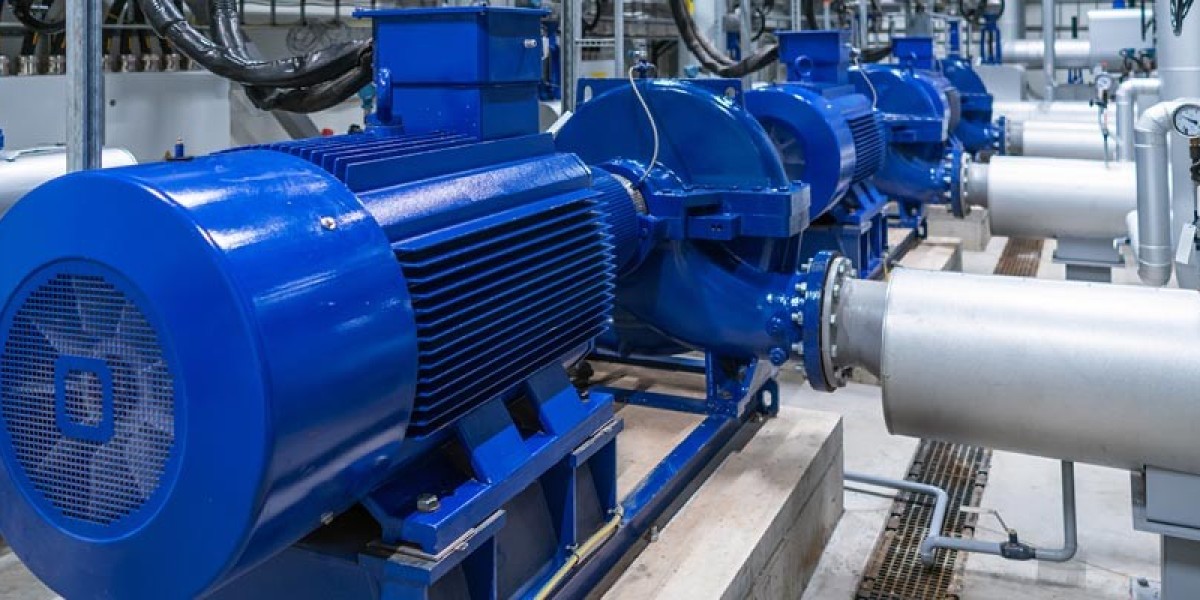
Pumping equipment plays a critical role in power generation facilities, supporting cooling systems, boiler feed operations, condensate recovery, water treatment, wastewater handling, and various auxiliary processes. Reliable pumps are essential because disruptions in fluid circulation can affect plant efficiency, equipment performance, maintenance schedules, and generation continuity.
The power generation pumps market dynamics are being influenced by several interconnected forces, including electricity demand, aging infrastructure, energy-efficiency requirements, digitalization, water-management priorities, changing generation technologies, raw material costs, supply-chain conditions, and the growing emphasis on lifecycle performance.
These forces are encouraging pump manufacturers to improve efficiency, durability, monitoring capabilities, customization, and service support.
Rising Need for Reliable Power Infrastructure
Electricity demand remains an important force shaping investment in power infrastructure. Industrial expansion, urban development, digital services, electrification, and rising residential consumption can increase the need for dependable generation capacity.
New power facilities require extensive pumping systems from the beginning of construction through long-term operation.
At the same time, existing plants require replacement equipment as pumps reach the end of their operating lives.
This combination of new installations and replacement demand supports continued opportunities for pump manufacturers.
Aging Power Plants and Modernization
A significant part of the industry is connected to the modernization of existing power facilities.
Older pumps may experience wear, corrosion, leakage, vibration, reduced hydraulic efficiency, and higher maintenance requirements.
Replacing outdated equipment can improve reliability and reduce operating costs.
Modernization can involve individual pump replacements or comprehensive upgrades involving motors, drives, controls, sensors, and monitoring platforms.
Manufacturers capable of providing retrofit solutions can benefit because operators often need equipment that integrates with existing infrastructure.
Energy Efficiency as a Market Force
Energy efficiency is becoming increasingly important in pump purchasing decisions.
Large industrial pumps can operate continuously and consume substantial amounts of electricity. Even moderate efficiency improvements can create meaningful savings over extended operating periods.
Manufacturers are therefore developing improved hydraulic designs, efficient motors, optimized impellers, better seals, and variable-speed systems.
Power operators are also evaluating pumps based on total lifecycle cost, including energy consumption, maintenance, downtime, and service requirements.
This shift is encouraging investment in equipment that provides measurable long-term value.
Variable-Speed Pumping
Variable-frequency drives are influencing the way pumps operate in modern facilities.
Power plants do not always operate at maximum capacity, meaning fixed-speed pumping can sometimes result in unnecessary energy consumption.
Variable-speed systems allow pump performance to adjust according to actual flow and pressure requirements.
This can improve process control while reducing energy use.
As efficiency becomes a stronger purchasing criterion, variable-speed technologies are expected to remain important across suitable applications.
Digitalization and Smart Pumping
Digital transformation is changing pump management.
Sensors can collect information about flow, pressure, temperature, vibration, speed, and energy consumption.
Connected monitoring platforms can analyze this information and provide operators with greater visibility into equipment condition.
Smart pumping systems can support remote monitoring, automated alerts, performance tracking, and maintenance planning.
This creates a transition from conventional mechanical equipment toward integrated assets combining pumps, sensors, controls, and analytics.
Predictive Maintenance
Predictive maintenance is another important dynamic.
Unexpected pump failures can interrupt operations and result in expensive emergency repairs.
Condition-monitoring technologies can help identify abnormal vibration, bearing deterioration, cavitation, seal problems, temperature changes, or other signs of developing faults.
Maintenance teams can use this information to schedule repairs before a failure becomes severe.
The growing focus on equipment availability is therefore encouraging greater adoption of predictive approaches.
Water Management Pressures
Water requirements have a major influence on power-generation pumping applications.
Thermal facilities may require significant water circulation for cooling and other processes. Water treatment and wastewater systems also rely on pumps for movement and processing.
Growing emphasis on water conservation is encouraging operators to improve recycling, treatment, and reuse.
This creates demand for pumping systems that can operate reliably in water-treatment and resource-recovery applications.
Water availability can also influence plant design and cooling technology, resulting in different pumping requirements across markets.
Changing Power Generation Mix
The changing composition of the power sector is reshaping pump demand.
Conventional thermal generation remains important in many regions, while nuclear, hydropower, solar thermal, waste-to-energy, and other technologies contribute to increasingly diversified electricity systems.
Each technology requires different fluid-handling solutions.
This creates opportunities for manufacturers with broad engineering expertise and the ability to adapt products to specialized applications.
Renewable Energy Applications
Renewable energy projects can introduce new pump applications.
Solar thermal facilities may require pumps for heat-transfer fluids and thermal-storage systems.
Hydropower facilities can use pumping equipment for drainage, water management, auxiliary processes, and maintenance.
The growth of diverse energy technologies therefore creates opportunities for specialized pump solutions.
Manufacturers that understand the operating requirements of emerging energy systems can expand beyond conventional power-generation applications.
Nuclear Power Dynamics
Nuclear power represents a technically demanding segment.
Pumping equipment used in nuclear facilities must satisfy strict reliability, quality, engineering, and regulatory requirements.
The qualification process can be extensive, creating barriers to entry for inexperienced suppliers.
However, companies with proven technology, specialized engineering capabilities, and rigorous quality-management systems can access long-term opportunities in this segment.
Advanced Materials and Product Durability
Power-generation pumps can operate under high pressures, elevated temperatures, corrosive conditions, and challenging fluid environments.
Material performance therefore plays an important role in equipment selection.
Corrosion-resistant alloys, protective coatings, specialized seals, durable bearings, and improved internal components can extend service life.
Manufacturers are increasingly focusing on material engineering to improve reliability while controlling maintenance requirements.
Customization and Application Engineering
Power plants have different process conditions and equipment configurations.
Standard pump designs may not always meet specific requirements related to flow, pressure, temperature, fluid characteristics, installation limitations, or material compatibility.
Customized solutions can therefore provide an important competitive advantage.
Manufacturers may tailor hydraulic performance, materials, seals, motors, drives, controls, and monitoring systems to specific plant requirements.
Application engineering can be particularly valuable in complex modernization and retrofit projects.
Supply-Chain Dynamics
The availability and cost of components influence manufacturing and delivery.
Pump systems depend on metals, castings, motors, bearings, seals, electronic controls, and specialized materials.
Supply disruptions can delay equipment production and affect maintenance schedules.
Manufacturers are responding through supplier diversification, inventory planning, alternative sourcing, and stronger supply-chain management.
For power operators, dependable delivery can be especially important when critical equipment must be replaced quickly.
Aftermarket Services
Aftermarket activities provide an important source of ongoing industry demand.
Power plants require spare parts, inspections, repairs, refurbishment, testing, maintenance, and technical support throughout pump lifecycles.
Manufacturers with strong service capabilities can develop long-term relationships with plant operators.
Remote monitoring and diagnostics can further improve aftermarket services by helping technicians identify equipment problems before conducting physical inspections.
Competitive Dynamics
Competition is shaped by product reliability, efficiency, customization, digital capabilities, engineering expertise, pricing, and service support.
Established companies may benefit from large installed equipment bases, recognized technical capabilities, and extensive service networks.
Specialized suppliers can compete through application expertise, customized designs, faster service, and innovative solutions.
The ability to provide complete lifecycle support can increasingly distinguish suppliers in competitive procurement environments.
Lifecycle Cost Considerations
Purchasing decisions are increasingly influenced by total lifecycle economics.
Operators may consider the initial equipment cost alongside energy consumption, maintenance expenses, expected service life, spare-parts availability, and downtime risks.
A pump with a higher acquisition price may offer stronger value if it provides improved efficiency, reliability, and lower maintenance requirements.
This dynamic is encouraging manufacturers to demonstrate long-term performance rather than competing primarily on purchase price.
Environmental and Regulatory Influences
Environmental requirements can influence pump technology and power plant investment.
Regulations related to water use, wastewater treatment, energy consumption, safety, and environmental performance may encourage operators to upgrade equipment.
Modern pumps can help facilities improve process control and resource efficiency.
Manufacturers must also ensure that equipment complies with relevant technical and environmental requirements.
Future Market Direction
The industry is moving toward pumping systems that are more efficient, connected, durable, and adaptable.
Digital monitoring, predictive maintenance, variable-speed operation, advanced materials, and application-specific engineering are expected to remain important areas of development.
Water management and diversification of energy technologies can create additional opportunities.
At the same time, manufacturers will need to manage raw material costs, supply-chain risks, technical requirements, and competitive pressures.
Conclusion
The power generation pumps market dynamics reflect a combination of technological, operational, economic, and environmental forces.
Modernization of aging plants, growing emphasis on energy efficiency, digitalization, predictive maintenance, water-management requirements, changing power-generation technologies, advanced materials, and lifecycle cost considerations are reshaping equipment demand.
The strongest opportunities are likely to emerge for companies capable of delivering efficient, reliable, digitally enabled, durable, and customized pumping solutions.
As power operators seek greater efficiency and operational resilience, manufacturers that combine advanced engineering with strong aftermarket support and intelligent monitoring capabilities can remain well positioned in the evolving power-generation equipment industry.









