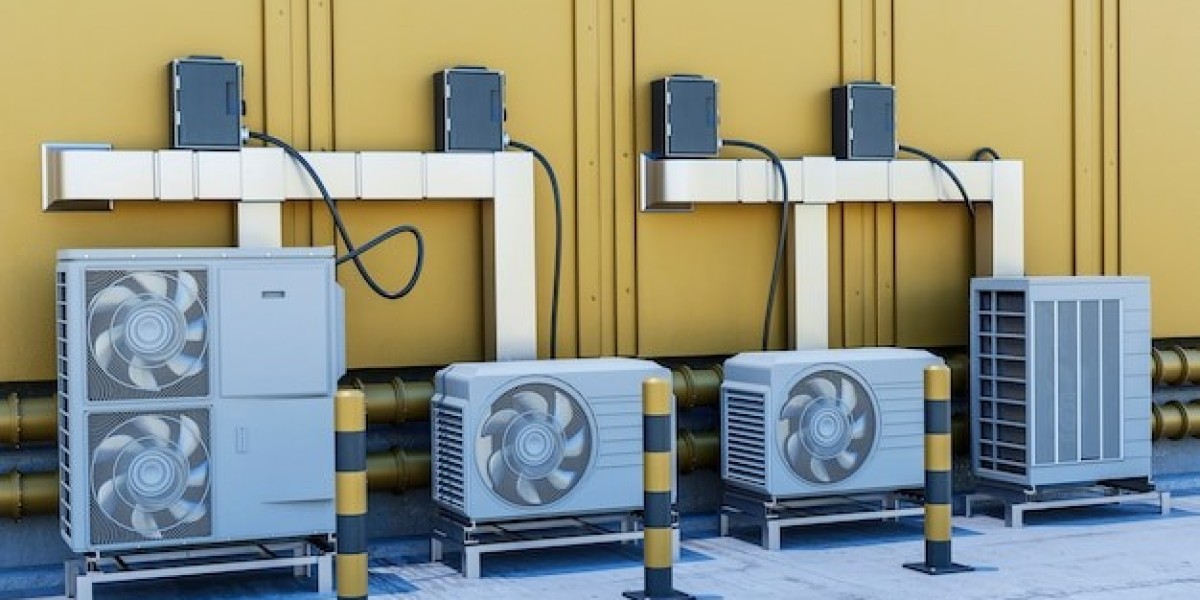


Refrigerants are essential working fluids used in refrigeration, air-conditioning, heat-pump, and cooling systems to transfer heat and maintain desired temperatures. They are used across residential air conditioners, commercial refrigeration, industrial cooling equipment, cold-storage facilities, transport refrigeration, heat pumps, and automotive air-conditioning systems. Refrigerant selection increasingly depends on cooling performance, energy efficiency, safety characteristics, environmental impact, equipment compatibility, and evolving regulatory requirements.
A recent study by MarkNtel Advisors highlights that the global refrigerant sector was valued at USD 23.6 billion in 2025. It is projected to grow from USD 25.9 billion in 2026 to USD 43.5 billion by 2032, registering a CAGR of 9.03% during 2026–2032. Expansion reflects rising demand for cooling equipment, increasing refrigeration requirements across commercial and industrial applications, replacement of older refrigerants, adoption of lower-GWP alternatives, and regulatory efforts aimed at reducing the environmental impact of high-GWP substances.
Cooling Demand Supports Refrigerant Consumption
Growing requirements for air conditioning and refrigeration are creating continued demand for refrigerants across multiple applications. Residential cooling systems, supermarkets, restaurants, warehouses, food-processing facilities, hospitals, and industrial plants depend on reliable refrigeration and temperature-control technologies.
Increasing temperatures and expanding access to cooling equipment are also contributing to long-term demand. The International Energy Agency identifies space cooling as a major contributor to electricity demand and highlights the importance of improving cooling efficiency as access to air conditioning expands. Refrigerants therefore remain closely connected with the development and modernization of cooling infrastructure.
Refrigeration Applications Require Diverse Solutions
Refrigerants are used across a wide range of equipment, with each application requiring specific thermodynamic and safety characteristics. Household refrigerators and freezers, commercial display cases, cold-storage warehouses, chillers, heat pumps, industrial process refrigeration, and vehicle air-conditioning systems can use different refrigerant classes depending on operating conditions.
The U.S. Environmental Protection Agency's refrigeration guidance identifies end uses including chillers, cold-storage warehouses, commercial ice machines, household refrigerators and freezers, industrial process refrigeration, refrigerated transport, and retail food refrigeration. This broad application base demonstrates the importance of refrigerants across temperature-control systems.
Low-GWP Alternatives Gain Greater Attention
Environmental considerations are increasingly influencing refrigerant selection. Hydrofluorocarbons (HFCs) do not deplete the ozone layer, but many have high global warming potentials. This has encouraged governments and manufacturers to transition toward refrigerants with lower climate impacts where technically and safely appropriate.
The Kigali Amendment's HFC phasedown is driving international efforts to reduce HFC production and consumption. The United Nations Environment Programme states that the agreement is intended to achieve an 80–85% reduction in global HFC use by 2047. This regulatory direction is accelerating investment in alternative refrigerants and equipment designed around lower-GWP cooling technologies.
Natural Refrigerants Expand Technology Options
Natural refrigerants such as carbon dioxide, ammonia, propane, and isobutane are receiving greater attention across selected refrigeration and cooling applications. Their environmental characteristics can make them attractive alternatives where equipment design, safety requirements, operating conditions, and local regulations support their use.
The EPA identifies lower-GWP refrigeration alternatives, including hydrocarbons, carbon dioxide, and other technologies for commercial applications. However, refrigerant selection must consider factors such as flammability, toxicity, pressure, equipment design, servicing requirements, and overall system performance rather than relying on GWP alone.
Regulatory Changes Reshape Product Development
Regulations governing refrigerants are influencing equipment design, manufacturing, installation, servicing, and refrigerant management. Countries and regions are introducing restrictions or phasedown requirements for high-GWP substances while encouraging the adoption of lower-impact alternatives.
In the United States, the EPA's Technology Transitions Program restricts certain HFC uses across refrigeration, air-conditioning, and heat-pump sectors. The program establishes requirements for specific products and equipment and supports the transition toward next-generation technologies. These HFC technology transition requirements are influencing refrigerant selection and equipment development.
Energy Efficiency Influences Refrigerant Selection
Refrigerant performance is closely connected with overall system efficiency. Cooling equipment must balance heat-transfer characteristics, operating pressures, compressor performance, system design, and temperature requirements to achieve reliable operation.
Manufacturers are therefore developing systems in which refrigerant choice is considered alongside compressors, heat exchangers, controls, insulation, and other components. Improvements in system architecture can also reduce refrigerant charge and limit leakage risks. The EPA notes that advanced commercial refrigeration designs can reduce refrigerant charge while supporting lower emissions and improved system performance.
Heat Pumps Create Additional Opportunities
The growing adoption of heat pumps is expanding the role of refrigerants beyond conventional cooling applications. Heat pumps use refrigeration cycles to transfer heat between indoor and outdoor environments, providing heating, cooling, or both depending on system configuration.
The transition toward electrified heating and more efficient building systems is increasing attention toward refrigerant technologies suitable for heat pumps. Manufacturers must balance efficiency with safety and environmental requirements when developing next-generation equipment, particularly as regulatory restrictions on high-GWP refrigerants become more widespread.
Service and Recovery Become More Important
As refrigerant technologies change, technicians and equipment operators need appropriate knowledge of handling, recovery, recycling, charging, leak detection, and system maintenance. Different refrigerants can have different pressure, flammability, toxicity, and servicing requirements, making proper training increasingly important.
Refrigerant recovery and responsible handling can also reduce emissions from existing equipment. Better leak detection and maintenance practices can help preserve system performance while limiting refrigerant losses throughout equipment lifecycles.
Innovation Shapes Future Cooling Systems
The refrigerant sector is moving toward technologies that combine cooling performance, energy efficiency, safety, regulatory compliance, and lower environmental impact. The projected increase from USD 25.9 billion in 2026 to USD 43.5 billion by 2032 reflects expanding requirements across air conditioning, refrigeration, heat pumps, cold storage, industrial cooling, and transportation.
Future development will remain connected with low-GWP alternatives, natural refrigerants, equipment redesign, energy efficiency, regulatory transitions, and responsible refrigerant management. As cooling demand continues to expand, refrigerant innovation will remain important for developing systems that deliver reliable temperature control while addressing increasingly stringent environmental and safety requirements.