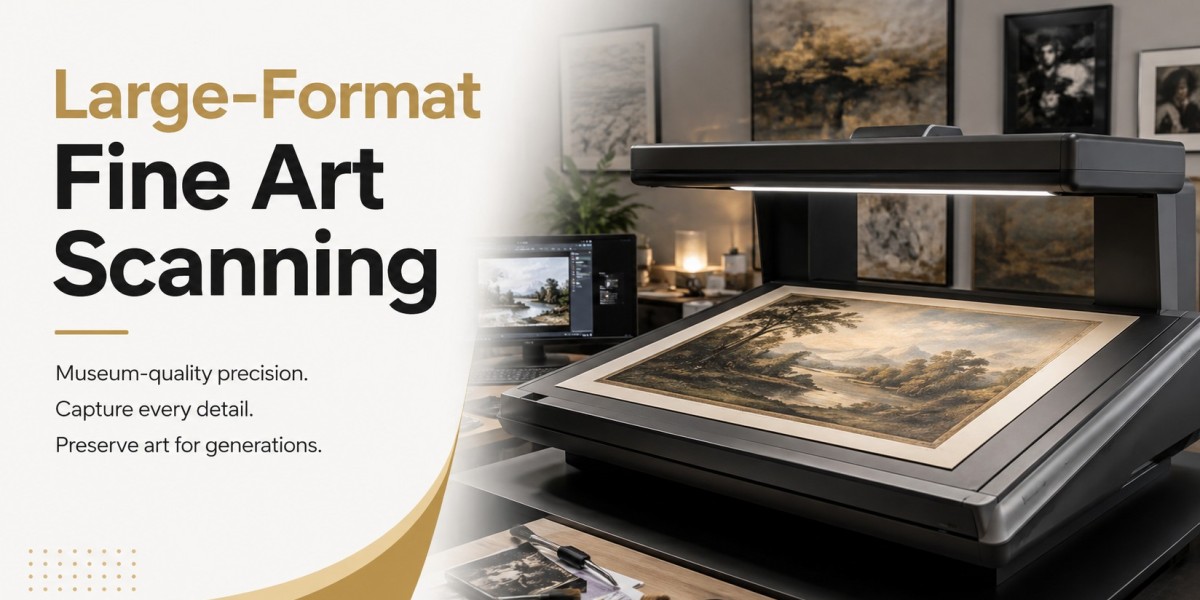


Every artist and gallery owner eventually faces the same heartbreaking reality: physical art is fragile. Whether it is the slow fade of pigments under UV light or the sudden catastrophe of a storage flood, original pieces remain vulnerable to the passage of time. We often meet clients who wait until damage occurs before they consider a digital backup, which makes the restoration process much more difficult. Through Large Format Fine Art Scanning, we provide a definitive solution that captures the soul of an original piece while securing its future in a permanent, digital format.
Why Physical Art Assets Need Digital Insurance
Physical artwork exists in a state of constant, microscopic change. Even in climate-controlled environments, paper fibers expand and contract, and oil paints can develop tiny cracks over decades. We see digital preservation as a form of insurance that never expires. By creating a high-resolution digital twin, we ensure that the artist’s vision remains intact even if the physical original sustains damage or moves into a private collection where the public can no longer see it.
Protecting Originals from Environmental Decay
Humidity, temperature fluctuations, and light exposure act as silent enemies to fine art. We use specialized scanning technology that minimizes light exposure during the capture process, unlike older methods that used harsh, heat-generating bulbs. This careful approach prevents any structural stress on the canvas or paper. Once we finalize the digital master file, you possess a perfect record of the work in its prime condition, frozen in time and protected from the elements.
Creating a High-Resolution Digital Master
A standard photograph of a painting rarely captures the depth of the brushwork or the subtle gradients of the pigment. We focus on creating digital masters that contain millions of data points, far exceeding the detail found in a typical camera RAW file. These files serve as the "source of truth" for any future needs. If a gallery requires a catalog image or a museum needs a digital archive, we provide a file that maintains its integrity even when someone views it on a massive 4K display.
The Difference Between Consumer Scanners and Professional Large-Format Systems
Many business owners attempt to use desktop scanners or high-end consumer cameras to digitize their collections, only to find the results look flat and lifeless. We understand that fine art is three-dimensional; it has texture, shadow, and specific light-reflective properties. Consumer-grade equipment often clips the highlights or muddies the shadows, losing the very details that make the piece valuable. Our professional systems use contact-free scanning to protect the surface while capturing every nuance of the artist’s hand.
Capturing Color Accuracy and Texture
Color management represents the most significant challenge in art reproduction. We use advanced color-profiling software to ensure that the digital file matches the physical original with mathematical precision. We also pay close attention to the "tooth" of the paper and the height of the impasto. Our lighting arrays highlight these textures rather than flattening them, ensuring that the digital version feels as tactile and authentic as the original piece hanging on the wall.
Handling Oversized and Non-Standard Media
Standard scanners limit you to small dimensions, but art rarely fits into a convenient box. We handle oversized canvases, delicate watercolors on deckled-edge paper, and mixed media pieces that require specialized depth of field. We recognize that every substrate reacts differently to light. By adjusting our capture parameters for each specific medium, we avoid the "glare" common in glossy oils and the "washout" often seen in light-handed sketches.
Maximizing the Value of Your Digitized Art
Digitization offers more than just safety; it creates a bridge to new revenue. Many of our clients find that once they have a high-quality scan, they can expand their business model without risking their original works. This transition from a single physical asset to a versatile digital asset allows artists to reach a global audience. You can use these files for everything from high-end marketing materials to archival records for estate planning and insurance valuations.
Opening New Revenue Streams Through Limited Edition Prints
The most practical benefit of high-resolution scanning is the ability to produce museum-quality reproductions. When we capture an image at 600 DPI or higher, we allow you to print the artwork at much larger sizes than the original without losing any sharpness. You can digitize old photos or classic sketches to create a print-on-demand series that provides a steady income stream. This approach democratizes your art, allowing collectors at different price points to enjoy your work while you keep the original masterpiece safe.
Common Pitfalls in DIY Artwork Digitization
We frequently assist clients who tried the DIY route and ended up with distorted images or incorrect color shifts. One major mistake involves using "auto-correct" features on consumer software, which strips away the intentional color choices of the artist. Another common issue is lens distortion; a standard camera lens often curves the edges of a rectangular painting, making it look warped. We eliminate these variables by using calibrated, flat-field scanning technology designed specifically for the rigorous demands of fine art reproduction.
Frequently Asked Questions
What is the maximum size of artwork you can scan?
We accommodate a wide variety of sizes, including very large canvases that exceed standard dimensions. Our large-format systems allow us to digitize oversized pieces in sections and stitch them together with microscopic precision, ensuring no loss of detail or visible seams in the final file.
Will the scanning process damage my original painting?
We prioritize the safety of your work above all else. Our large-format scanning process is non-contact, meaning nothing touches the delicate surface of your art. We use "cool" LED lighting to prevent heat damage, making it safe for even the most sensitive antique papers and oil paints.
What file formats do you provide after the scan is complete?
We typically provide uncompressed TIFF files for archival purposes, as these retain the maximum amount of data. We also provide high-quality JPEGs or PDFs for web use and social media. We can customize the output based on whether you need the files for printing, digital archiving, or online galleries.
How long does the professional scanning process take?
The timeline depends on the size and complexity of the piece, but we generally complete most projects within a few business days. We take the time to calibrate our sensors and perform manual color matching, as we believe a rushed scan leads to a poor-quality digital asset.
Conclusion
Preserving artwork requires a balance of technical precision and artistic empathy. We recognize the years of effort and emotion that go into every original piece, and we treat each scan as a mission to safeguard that legacy. Large-format fine art scanning does more than just copy an image; it translates the physical experience of art into a durable digital medium that lasts for generations. Whether you want to sell prints, archive a family heirloom, or protect a gallery’s inventory, we provide the expertise needed to do it right. If you want to ensure your creative work survives the test of time, reach out to us at Laguna Digital to discuss your next preservation project.









