

Cataracts usually develop gradually, so many people adjust to changes in their vision without realizing how much their eyesight has been affected. A cloudy or blurred view, difficulty seeing at night, and increased sensitivity to light are some common changes associated with cataracts.
But how do you know when it is time to consider cataract surgery?
What Is a Cataract?
A cataract develops when the natural lens inside the eye becomes cloudy. Since this lens helps focus light onto the retina, clouding can gradually reduce the clarity of vision.
Cataracts are commonly associated with ageing, although they can also develop due to diabetes, previous eye injuries, certain medications, or other eye conditions.
What Are the Signs That a Cataract May Be Affecting Your Vision?
The symptoms can vary from person to person, but common signs include:
Blurred or cloudy vision
Difficulty reading despite adequate lighting
Trouble seeing while driving at night
Increased sensitivity to bright lights
Halos around headlights or other lights
Colours appearing faded or yellowish
Frequent changes in glasses prescription
Difficulty performing everyday activities
If these symptoms begin interfering with work, driving, reading, or other daily activities, it may be time for a cataract evaluation.
Do You Have to Wait Until a Cataract Is Fully Developed?
Not necessarily. The decision to undergo cataract surgery is generally based on how much the cataract is affecting your vision and quality of life rather than simply how "mature" the cataract is.
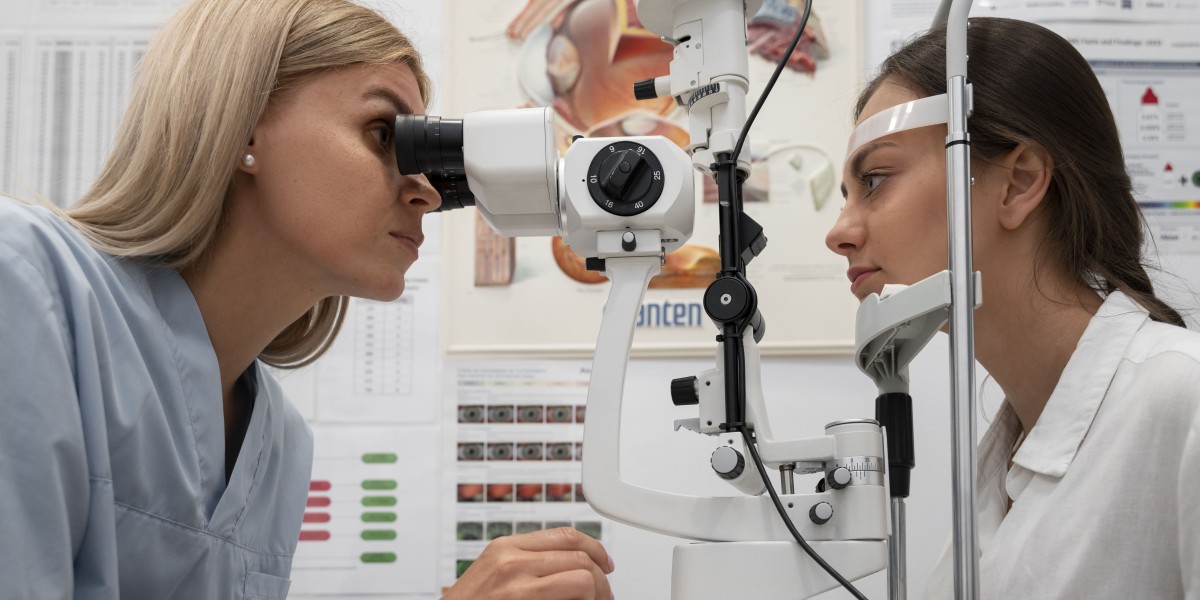
A cataract specialist can examine your eyes and determine whether surgery is appropriate or whether the cataract can continue to be monitored.
Why Is a Detailed Eye Examination Important?
Blurred vision is not always caused by a cataract. Conditions affecting the retina or other parts of the eye can also affect vision.
This is particularly important for people with diabetes or a history of retinal problems. A comprehensive examination can help identify other conditions that may need attention before or alongside cataract treatment.
What Happens During Cataract Surgery?
During cataract surgery, the cloudy natural lens is removed and replaced with an artificial intraocular lens (IOL).
Modern cataract surgery is commonly performed using small-incision techniques. The choice of lens and surgical approach depends on the patient's eye health, lifestyle, and visual requirements.
Your surgeon should discuss the available options and explain which may be suitable for your eyes.
Can Cataract Surgery Improve Vision?
When cataracts are the primary reason for reduced vision and the rest of the eye is healthy, cataract surgery can significantly improve visual clarity.
However, conditions involving the retina, macula, optic nerve, or other structures can also influence the final visual outcome. This is why evaluating the overall health of the eye is an important part of cataract care.
When Should You See a Cataract Specialist?
Consider scheduling an eye examination if you notice persistent blurred vision, difficulty seeing at night, glare, halos, or increasing difficulty with everyday activities.
You don't have to wait until your vision becomes severely impaired. An examination can help you understand whether the symptoms are related to a cataract and whether treatment is currently necessary.
Final Takeaway
A cataract does not automatically mean you need immediate surgery. The right time for treatment depends on your symptoms, overall eye health, and how much the cataract is affecting your daily life.
If changes in vision are becoming noticeable, a comprehensive evaluation by a cataract specialist can help you understand the cause and make an informed decision about treatment.









