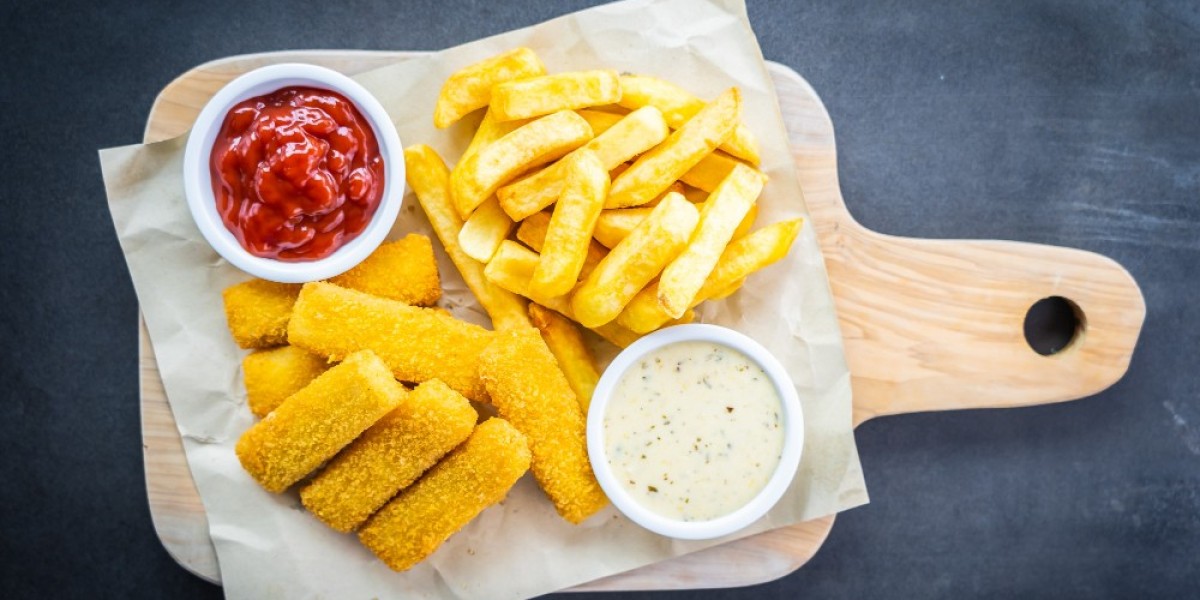


India Frozen Finger Chips Market Outlook
The frozen finger chips market size in India is experiencing robust growth, driven by rapid urbanization, evolving consumer preferences, and the expansion of quick-service restaurant chains across metropolitan and tier-two cities. The proliferation of nuclear families and hectic work schedules has accelerated demand for convenient, ready-to-cook food products.
Strengthening cold chain infrastructure and increasing penetration of organized retail channels are enhancing product accessibility, while the growing influence of Western food culture among younger demographics is reshaping snacking patterns nationwide.
Market-At-A-Glance
- Market Size (2025): USD 1.11 Billion
- Forecast Market Size (2034): USD 1.75 Billion
- CAGR (2026–2034): 5.24%
- Leading End Use: Food Service — 58% share (2025)
- Leading Region: North India — 32% share (2025)
Why Is the India Frozen Finger Chips Market Growing?
- Rapid Urbanization and Changing Consumer Lifestyles:
According to the Economic Survey 2023-24, over 40% of the Indian population will live in urban areas by 2030, signaling sustained demand growth for modern snacking options as nuclear families and hectic work schedules increase reliance on quick-preparation food items.
- Expansion of Quick-Service Restaurant Networks:
Jubilant FoodWorks announced plans to open 250 new Domino's stores in India with a capital investment of INR 900 Crore, exemplifying the scale of QSR expansion supporting bulk demand for standardized frozen finger chips products across metropolitan and emerging urban centers.
- Government Support for Food Processing Industry:
Policy initiatives including Make in India and production-linked incentive schemes covering ready-to-cook and ready-to-eat food products are accelerating capacity expansion, while programs such as the Pradhan Mantri Kisan Sampada Yojana strengthen cold chain infrastructure through enhanced funding.
Evaluate Market Opportunity with the Business Sample Report
What Are the Key Trends Shaping the India Frozen Finger Chips Market?
- Expansion of Quick-Service Restaurant Chains:
Major international and domestic QSR brands are aggressively expanding into tier-two and tier-three cities. In May 2025, Devyani International Ltd. launched the first New York Fries outlet in India at Mumbai Airport, bringing globally popular loaded fries to Indian consumers.
- Cold Chain Infrastructure Development:
Temperature-controlled logistics networks are expanding from metropolitan centers to emerging urban clusters. In June 2025, DP World inaugurated a 110,000 square feet temperature-controlled warehouse in Taloja, Navi Mumbai, featuring 11,000 pallet positions across multiple temperature zones.
- Rising Online Food Delivery Platform Penetration:
The exponential growth of online food delivery platforms is creating new consumption channels for frozen finger chips through restaurant partners and cloud kitchens, enabling QSR brands to reach broader consumer segments beyond traditional dine-in customers.
Government and Industry Support Driving Market Expansion
Production Linked Incentive (PLI) Scheme for Food Processing:
- Covers ready-to-cook and ready-to-eat food products, including frozen finger chips
- Provides financial assistance to manufacturers investing in processing capacity
- Encourages both domestic and international processors to expand their India presence
Pradhan Mantri Kisan Sampada Yojana:
- Strengthens cold chain infrastructure through enhanced funding allocations
- Supports project approvals for temperature-controlled logistics and storage facilities
- Reduces distribution bottlenecks between processing hubs and demand centers
India's Growing Export Competitiveness:
- In 2023-24, India exported approximately 135,877 tons of frozen French fries valued at INR 1,478.73 Crores
- Reflects the maturation of domestic processing capacity and competitive pricing advantages
- Signals India's transformation from a net importer to a significant exporter of frozen potato products
Segment Insights
End Use Insights:
- Food Service
- Retail
Food service dominates with a market share of 58% of the total India frozen finger chips market in 2025.
The food service segment maintains its dominant position, driven by rapid expansion of quick-service restaurants, cafes, and hotel chains that prefer frozen finger chips for their consistent quality, extended shelf life, and ease of preparation. The Indian QSR market is projected to grow at a CAGR of 7.22% during 2025-2033, directly supporting frozen potato product demand, while cloud kitchen operations are additionally contributing to segment growth through menu diversification.
Regional Insights:
- North India
- West and Central India
- South India
- East India
North India leads with a share of 32% of the total India frozen finger chips market in 2025.
North India maintains regional leadership driven by high urban density, strong retail infrastructure, and the highest concentration of QSR outlets, with Delhi-NCR serving as a primary demand center. Rising smartphone penetration and growing popularity of online meal delivery across cities including Delhi, Chandigarh, Jaipur, and Lucknow are creating additional demand channels, supported by the region's proximity to processing hubs in Gujarat and emerging manufacturing centers in Punjab.
Competitive Landscape
The India frozen finger chips market exhibits moderate concentration, with established multinational processors operating alongside ambitious domestic manufacturers. Major players are focusing on capacity expansion, technological upgradation, and strategic partnerships with QSR chains to strengthen market positions.
Competition is intensifying as companies invest in advanced processing facilities featuring automation, AI-driven quality controls, and energy-efficient refrigeration systems, alongside contract farming programs that ensure raw material quality and supply chain stability.
Discuss Your Requirements With an Analyst and Get Your Customized Market Report
Key Opportunities for Businesses and Investors
High-Growth Areas:
- Cold chain and temperature-controlled warehousing infrastructure supporting distribution into tier-two and tier-three cities
- Contract farming programs securing processing-grade potato supply with consistent dry matter content
- Cloud kitchen and online food delivery partnerships expanding consumption channels beyond dine-in formats
- Export-oriented processing capacity capitalizing on India's competitive pricing advantage in global frozen potato trade
Strategic Opportunities:
- Long-term supply agreements with expanding QSR chains providing revenue visibility for processing capacity investment
- Greenfield manufacturing investments in strategic states such as Madhya Pradesh, Gujarat, and Punjab to strengthen supply chain proximity
- Product innovation through new cuts, flavors, and healthier formulations to differentiate offerings in a growing category
Frequently Asked Questions (FAQ)
- How big is the India frozen finger chips market?
The India frozen finger chips market was valued at USD 1.11 Billion in 2025.
- What is the projected growth rate?
The market is expected to grow at a CAGR of 5.24% during 2026–2034, reaching USD 1.75 Billion by 2034.
- Which end-use segment holds the largest market share?
Food service dominates with a 58% share, driven by rapid expansion of quick-service restaurants, cafes, and hotel chains relying on standardized frozen potato products.
- What are the major challenges?
Key challenges include cold chain infrastructure gaps in rural areas, high initial investment requirements for processing facilities, and raw material quality variability driven by seasonal potato supply fluctuations.
- What role does government support play?
Government programs including the PLI scheme and Pradhan Mantri Kisan Sampada Yojana are accelerating processing capacity expansion and cold chain infrastructure development across India.
Conclusion
India's frozen finger chips market is positioned for sustained growth through 2034, underpinned by rapid urbanization, QSR network expansion, and strengthening cold chain infrastructure. The combination of rising export competitiveness, government food processing incentives, and evolving consumer snacking preferences creates a diversified demand foundation.
Organizations that invest in processing capacity, cold chain logistics, and QSR partnerships will be best positioned to capture the largest share of this expanding opportunity.
Source: IMARC Group









