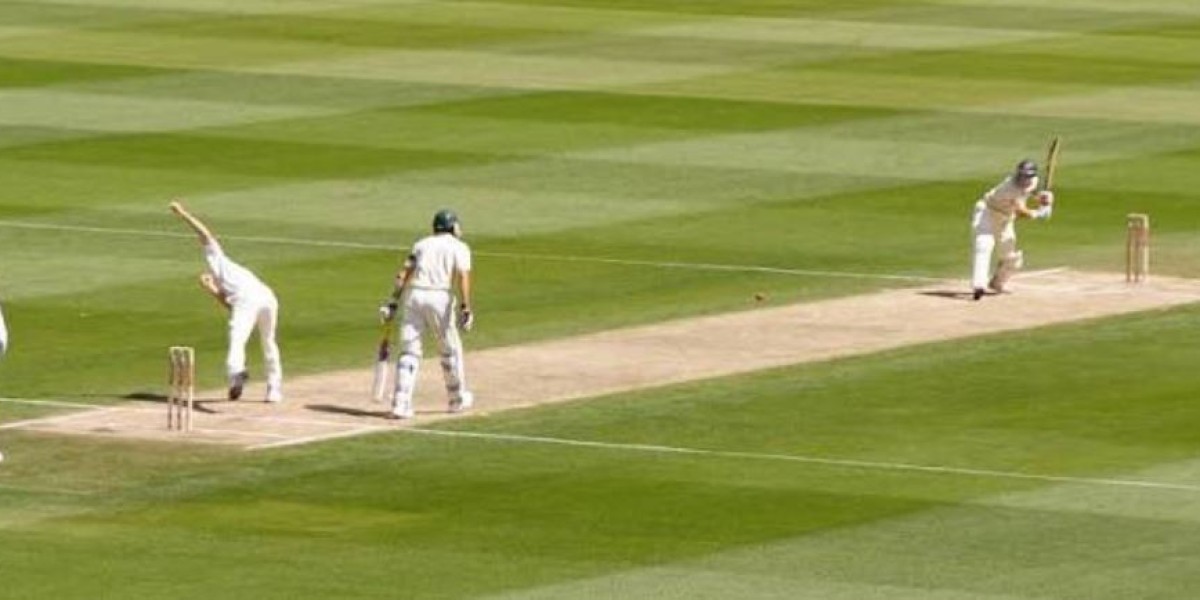


Cricket continues to change as players, coaches, teams, and fans adapt to new approaches. The sport now includes several formats, advanced performance analysis, improved training methods, and wider use of technology. At the same time, the basic parts of cricket remain familiar: batting, bowling, fielding, fitness, teamwork, and decision-making.
The growth of franchise competitions has also changed the cricket calendar. Players can gain experience in different conditions, while teams have more opportunities to test tactics against international opposition. For fans, digital platforms make it easier to follow scores, highlights, interviews, and analysis from different competitions.
The most useful developments are not always the most complicated ones. Better preparation, accurate information, player welfare, and smart use of technology can make a meaningful difference to performance.
Technology and Data in Modern Cricket
Technology has become a regular part of professional cricket. Teams use video analysis and performance data to study players and identify patterns. Coaches can review batting techniques, bowling actions, fielding movements, and match situations in detail.
Ball-tracking systems have also changed how some decisions are reviewed. Technologies such as Hawk-Eye can help officials assess aspects of deliveries during decision-review processes. Other systems provide information about ball speed, movement, pitch behavior, and player positioning.
Data can help teams examine areas such as:
- Batting strike rates in different match situations.
- Bowling performance against particular types of batters.
- Scoring patterns during powerplays and middle overs.
- Boundary frequency and dot-ball percentages.
- Fielding efficiency.
- Performance under different match conditions.
- Recent form and workload.
Statistics are useful, but they should not be treated as the complete picture. Cricket contains variables that are difficult to capture through numbers alone. Pitch conditions, pressure, weather, match context, and player confidence can all affect performance.
A good coaching system therefore combines data with observation and experience. Technology can identify a pattern, while coaches and players decide how that information should influence preparation.
Fans are also becoming more comfortable with data. Match broadcasts regularly display statistics that help viewers understand the game beyond runs and wickets. This has made cricket analysis more detailed and accessible.
Fitness and Player Workload
Modern cricket places significant physical demands on players. Fast bowlers, in particular, can experience high workloads because repeated high-intensity deliveries place stress on the body. Batters and fielders also need speed, coordination, mobility, and endurance.
Fitness programs are increasingly designed around the demands of a player's role. A fast bowler may require different conditioning from a wicketkeeper or top-order batter.
Important areas can include:
- Strength and conditioning.
- Sprint training.
- Mobility work.
- Core stability.
- Recovery sessions.
- Sleep and nutrition.
- Injury prevention.
- Match-specific preparation.
Workload management has become important because professional players often participate in multiple formats and competitions. Playing too many matches without sufficient recovery can increase physical and mental fatigue.
Teams therefore monitor training loads and match schedules to help players prepare appropriately. Rest does not necessarily mean avoiding all activity. It can involve reducing training intensity or focusing on recovery.
Cricket players also need mental preparation. Matches can involve long periods of concentration, sudden changes in momentum, and pressure from teammates, opponents, and spectators. Building routines that help players remain focused can be as important as physical training.
For cricket audiences, online content may also mix sports discussions with unrelated commercial searches. For example, terms such as YOVO JB50K Vape Pod can appear in general online content. Readers should distinguish promotional material from reliable cricket information and performance research.
Short-Format Cricket and Tactical Changes
Short-format cricket has influenced how teams approach the sport. T20 cricket requires players to make decisions quickly because there are fewer deliveries available to build an innings or control a game.
Batters have developed a wider range of shots, while bowlers have expanded their use of variations. Fielding plans can also change quickly depending on the batter, match situation, and remaining overs.
Tactical areas that have gained attention include:
- Match-ups between specific batters and bowlers.
- Different bowling plans during powerplays.
- Changes in batting order.
- Use of spin at different stages.
- Field placements based on scoring areas.
- Death-over bowling strategies.
- Aggressive running between wickets.
The growth of T20 cricket has not removed the value of longer formats. Test cricket continues to require patience, concentration, adaptability, and strong technical skills. One-day cricket sits between these approaches and requires teams to manage tempo across a longer innings.
Players who compete across formats need to adjust their approach. A technique that works well in T20 cricket may not always be suitable for a Test match. Successful players understand these differences and adapt without losing their core skills.
The growth of franchise leagues has also given younger players more exposure to experienced international cricketers. This can create learning opportunities, particularly for players entering senior-level cricket.
Conclusion: A Changing Game With Strong Foundations
Cricket in 2026 is developing through technology, data analysis, fitness planning, short-format tactics, and changing competition structures. These developments have influenced how players prepare and how teams make decisions.
However, the foundations of the sport remain the same. A batter still needs sound technique, a bowler needs control, and fielders need concentration and athletic ability. Teams still depend on communication and decision-making under pressure.
The best use of modern technology is to support these fundamentals rather than replace them. Data can help identify weaknesses, video can show technical problems, and fitness monitoring can help manage workload. Coaches and players then need to turn that information into practical action.
For fans, these changes provide more ways to understand cricket. Statistics, tactical analysis, and performance information can add context to what happens on the field.
Online cricket audiences should also remain careful about unrelated product claims. Searches for terms such as YOVO Vape may appear alongside sports or lifestyle content, but such material should be assessed separately from credible cricket reporting and evidence-based athletic guidance.
The future of cricket will likely continue to combine traditional skills with new methods. As the game develops, the teams that use technology wisely while maintaining strong fundamentals will be well placed to compete.